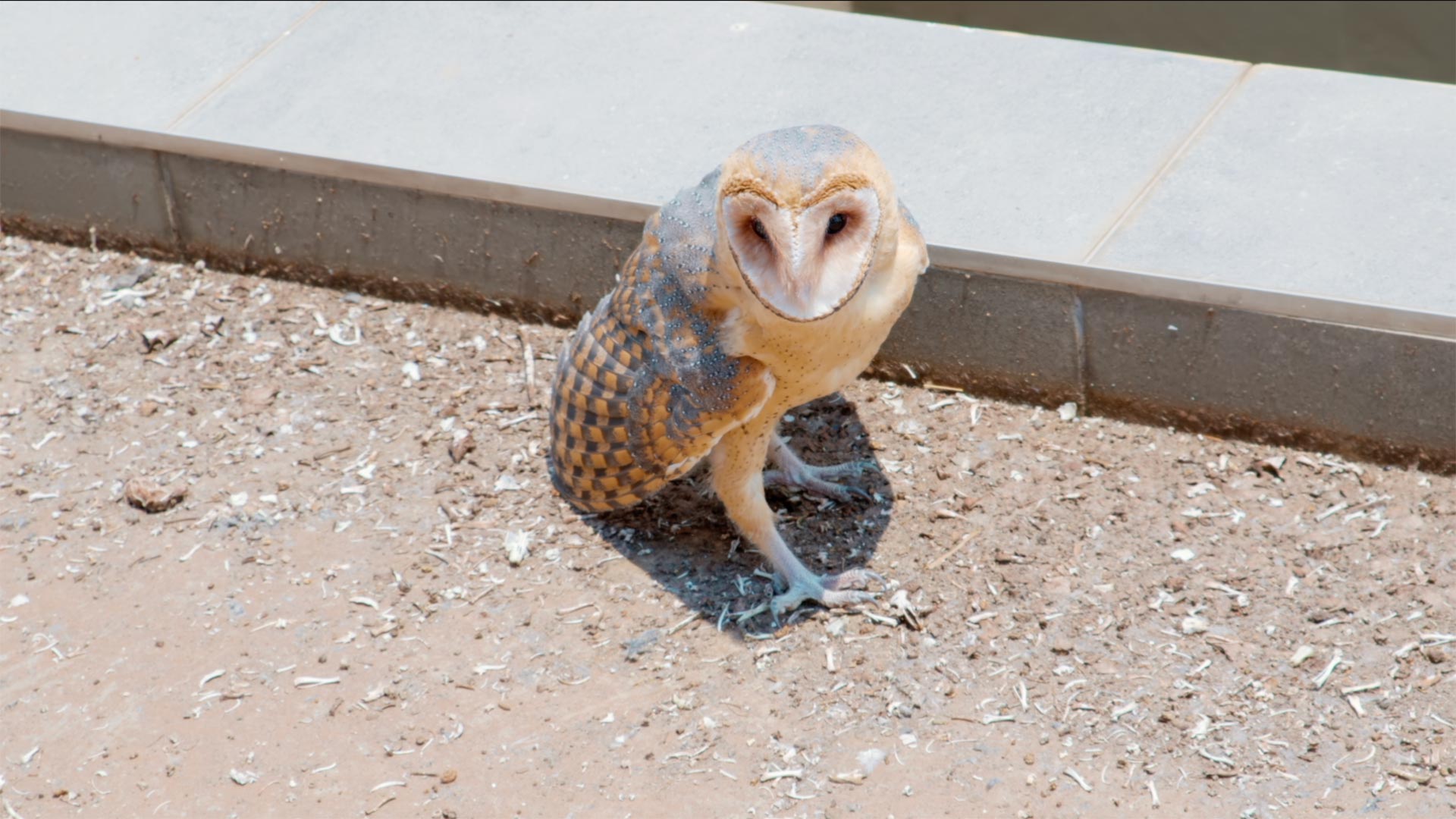
Have you ever paused mid-walk to watch an owl silently glide through the dusk, its wings slicing the air like a whisper of ancient wisdom? These nocturnal sentinels, draped in feathers of mystery, are more than just charismatic creatures—they are ecological linchpins, guardians of balance in the quiet corners of our world. Yet, as their habitats shrink beneath the relentless march of urbanization and deforestation, owl rescue efforts face a daunting paradox: how do we save creatures that thrive in places we’re steadily erasing? The answer isn’t just about compassion; it’s about confronting the unintended consequences of human progress and reimagining our relationship with the wild.
The Vanishing Canopy: How Deforestation Disrupts Owl Sanctuaries
Imagine a forest as a cathedral of life, where each tree is a pillar supporting an intricate web of existence. For owls, these woodlands are not merely homes but hunting grounds, nurseries, and sanctuaries from predators. Yet, every year, millions of acres of old-growth forests are felled—cleared for agriculture, logging, or sprawling cities. The result? A fragmented landscape where once-vast territories now resemble a patchwork quilt of isolated fragments, too small to sustain the owls that once ruled them.
Consider the barred owl, a species that thrives in dense, mature forests. As these ecosystems dwindle, barred owls are forced into smaller pockets of wilderness, where competition for resources intensifies. Starvation looms as their primary prey—rodents and small mammals—becomes scarce. Rescue centers, already stretched thin, find themselves inundated with emaciated owls, their hollowed-out bodies a stark testament to the silent crisis unfolding in the treetops. The question isn’t just about saving individual birds; it’s about whether we can save the forests that give them life.
The Urban Jungle: When Concrete Replaces the Wild
Cities are the ultimate disruptors of natural habitats, and owls, despite their adaptability, are not immune to their encroachment. Picture a great horned owl, perched on a gnarled branch in a suburban park, its keen eyes scanning the horizon for prey. But as green spaces shrink and artificial lighting proliferates, the owl’s hunting grounds are replaced by parking lots and shopping centers. The night, once a cloak of darkness, is now a gauntlet of neon and noise, disorienting creatures that rely on silence and shadows.
Rescue efforts in urban areas often involve rehabilitating owls injured by collisions with windows, entangled in fencing, or poisoned by rodenticides. These cases are heartbreakingly common, a side effect of human convenience clashing with wildlife survival. Yet, there’s a twist: some urban owls have begun to adapt, nesting in the nooks of skyscrapers or hunting in the glow of streetlights. Are these adaptations a sign of resilience, or a desperate compromise that masks deeper ecological wounds? The answer may lie in how we design our cities—not just for humans, but for the creatures that once called them home.
The Domino Effect: How Habitat Loss Ripples Through Ecosystems
Owls are apex predators, the silent regulators of their domains. When their habitats shrink, the ripple effects are felt far beyond their immediate surroundings. Take the decline of the burrowing owl, a species that thrives in open grasslands. As these habitats are converted into farmland or housing developments, the owls lose their nesting sites. But the damage doesn’t stop there. Rodent populations explode in the absence of their natural predators, leading to crop destruction and the spread of disease. Farmers, in turn, may resort to harsher pesticides, further poisoning the land and water.
Rescue efforts for burrowing owls often involve relocating nests or creating artificial burrows, a stopgap measure that can’t replace the complexity of a natural ecosystem. The real challenge? Convincing communities that preserving open spaces isn’t just about saving a charismatic species—it’s about safeguarding the health of the entire landscape. The question isn’t whether we can afford to protect these habitats; it’s whether we can afford not to.
The Rescue Paradox: Can We Save What We’ve Destroyed?
Owl rescue centers are sanctuaries of hope, places where injured birds are nursed back to health and released into the wild. But these efforts are a bandage on a gaping wound. The reality is that for every owl saved, countless others perish in the shadows of habitat loss. The rescue paradox is this: we pour resources into saving individual birds, yet the root cause—human encroachment—remains unaddressed. It’s like trying to bail out a sinking ship with a teaspoon.
Yet, there’s a glimmer of progress. Innovative conservation programs are emerging, such as “owl-friendly” logging practices that leave critical trees standing or the creation of wildlife corridors that reconnect fragmented habitats. Some rescue centers are even partnering with local communities to plant native trees and restore degraded lands. These efforts are small but mighty, a testament to the fact that change is possible when people are willing to listen to the whispers of the wild.
The Call to Action: Reimagining Our Shared Future
The fate of owls is a mirror held up to our own. It reflects our choices, our priorities, and our willingness to coexist with the natural world. Habitat loss isn’t an abstract problem; it’s a tangible crisis that demands tangible solutions. It starts with awareness—understanding that every tree cut down, every field paved over, is a thread pulled from the fabric of life. It continues with action: supporting conservation initiatives, advocating for sustainable land use, and rethinking the way we design our communities.
Perhaps the most pressing question isn’t whether we can save the owls, but whether we’re willing to try. The night sky, once a canvas for their silent flights, is now a canvas for our decisions. Will we paint it with destruction, or will we choose a future where owls—and the ecosystems they sustain—can thrive once more?