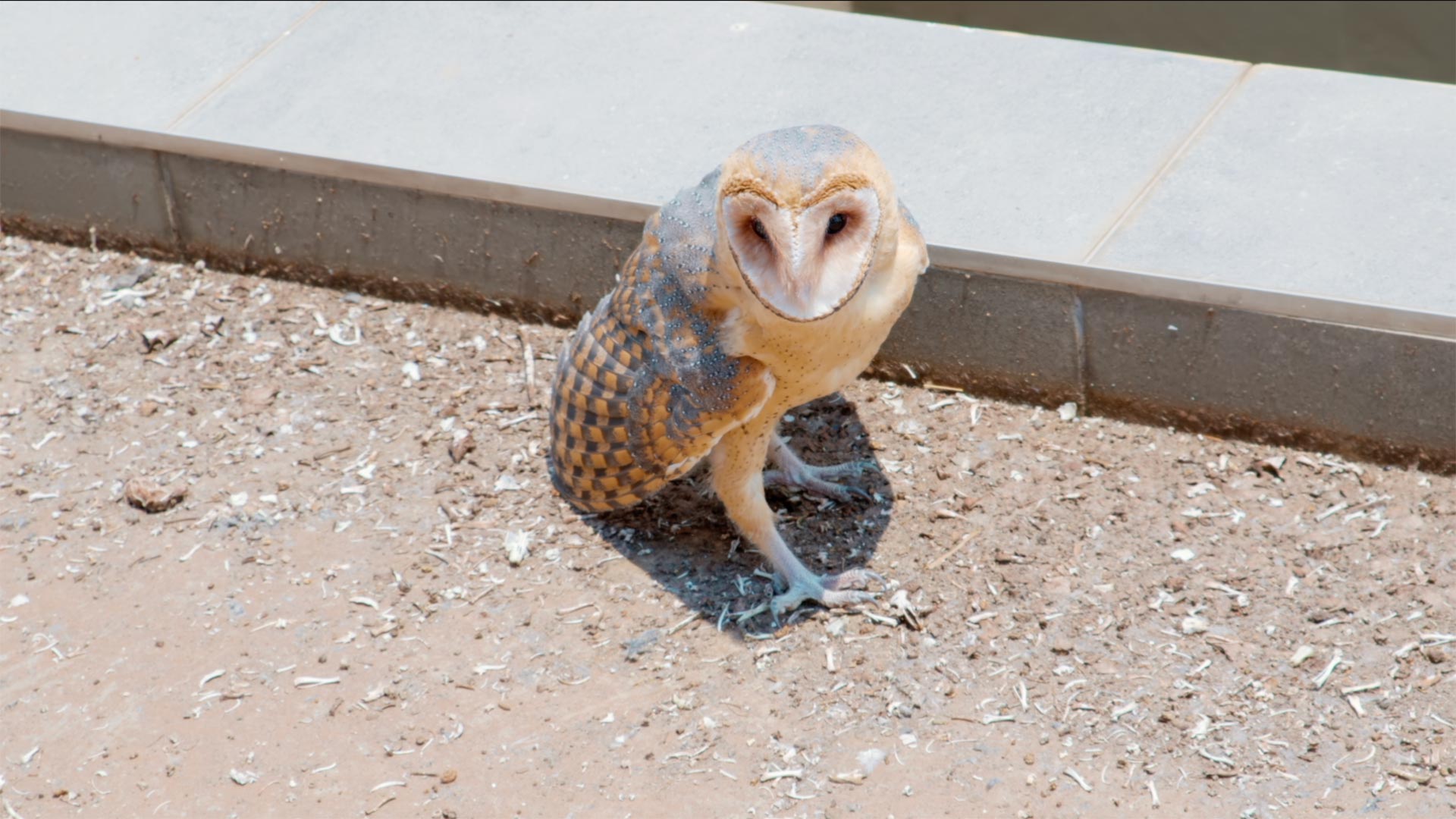
Have you ever paused mid-walk to watch an owl silently glide through the dusk, its wings slicing the air like a whisper of ancient wisdom? These nocturnal sentinels, draped in feathers of mystery, are more than just charismatic creatures—they are ecological linchpins, guardians of balance in the quiet corners of our world. Yet, as their habitats shrink beneath the relentless march of urbanization and deforestation, owl rescue efforts face a daunting paradox: how do we save creatures that thrive in places we’re steadily erasing? The answer isn’t just about compassion; it’s about confronting the unintended consequences of human progress and reimagining our relationship with the wild.
Rehabilitation & Rescue
The Role of Veterinarians in Owl Rescue: Specialized Care

In the shadowed realms where moonlight graces feathered wings, owls navigate a world of silent flight and keen perception. Yet, when injury or illness strikes these enigmatic birds, their survival often hinges on the expertise of veterinarians—guardians of avian health who blend precision with compassion. The role of veterinarians in owl rescue transcends routine care; it is a fusion of specialized knowledge, cutting-edge technology, and unwavering dedication to creatures that embody both wisdom and wildness. From the fractured bones of a barn owl to the neurological tremors of a tawny owl, these professionals orchestrate recoveries that echo through the forests and fields these birds call home.
How to Transport an Injured Owl Safely
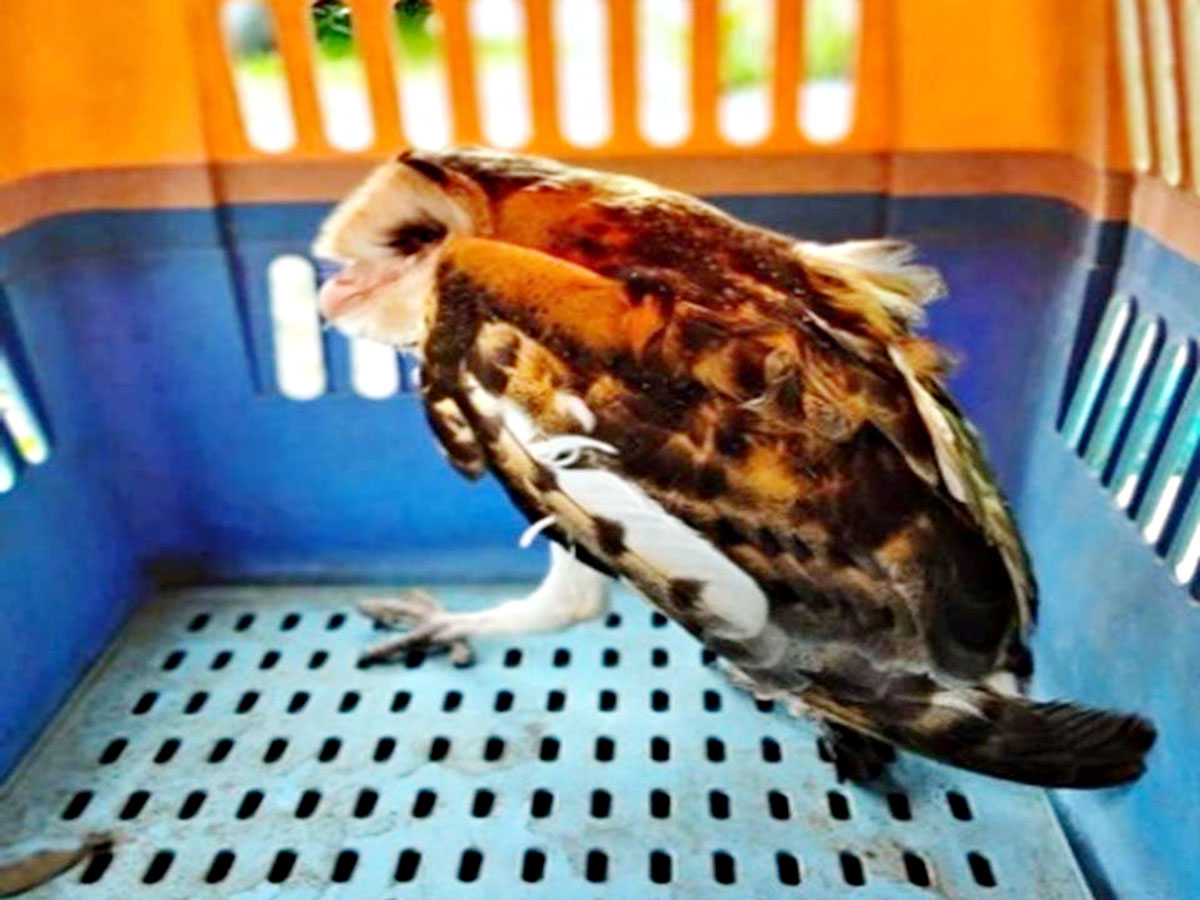
There’s a moment, suspended in time, when the world narrows to a single, fragile creature—a wounded owl, its golden eyes dimmed by pain, its wings trembling against the weight of an unseen burden. The air grows heavy with urgency. Every second counts. But how do you move such a creature without causing further harm? How do you become its lifeline in a world that moves too fast? The answer lies not in brute force, but in quiet understanding, in the delicate art of restraint and care. This is how you transport an injured owl safely.
The Role of Education in Owl Rescue: Teaching the Public

In the quiet hush of twilight, when the world slows its relentless pace, an unexpected symphony begins to unfold. The soft hoots of owls pierce the evening air, not as mere background noise, but as a clarion call to those who listen closely. These enigmatic birds, draped in feathers that whisper secrets of the night, have long captivated human imagination. Yet beyond their mystique lies a lesser-known narrative: the role of education in owl rescue, a mission that transforms public perception and fosters a deeper connection with these nocturnal guardians of the wild.
Success Stories: Owls That Beat the Odds and Returned to the Wild
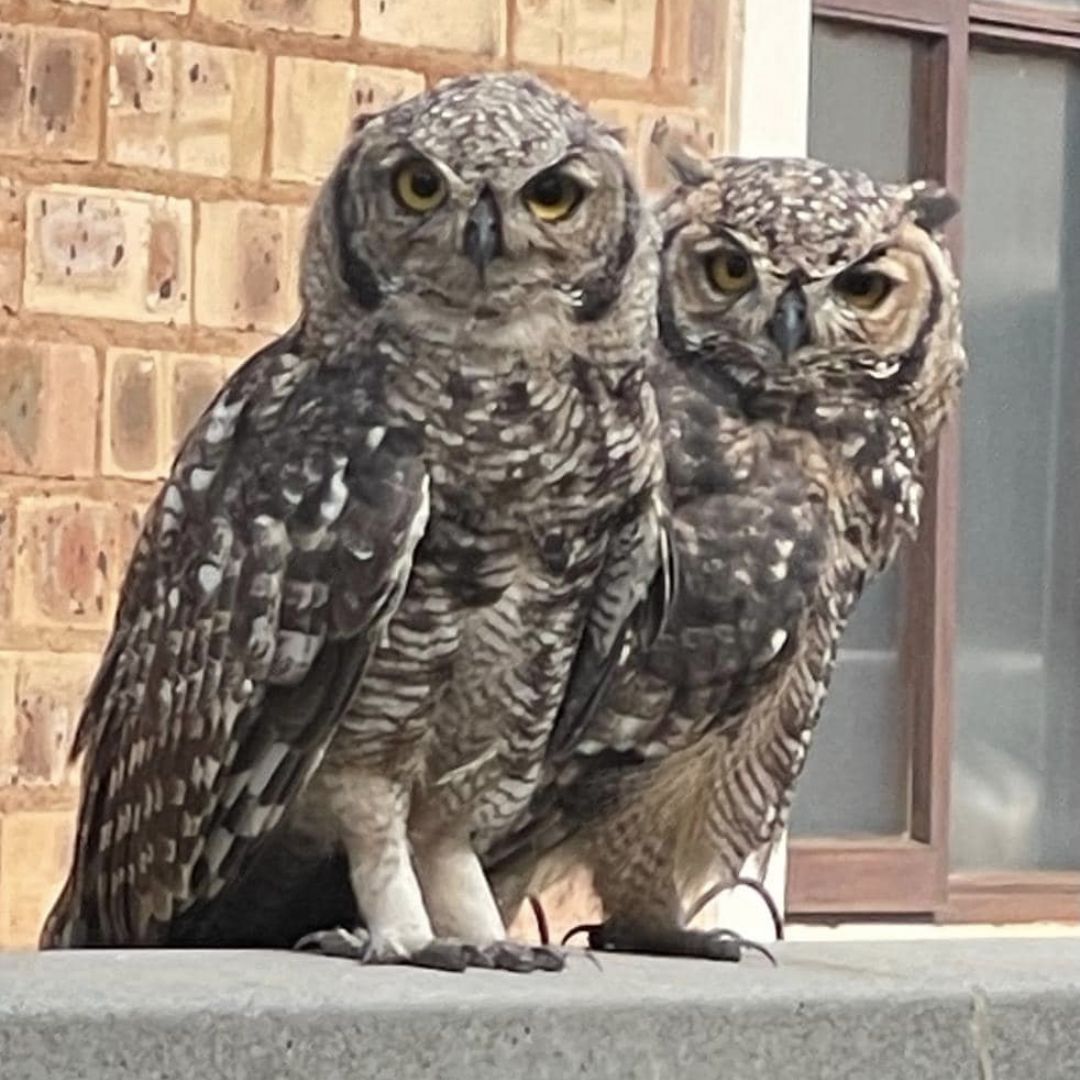
What if a creature of the night, cloaked in silent wisdom and razor-sharp talons, could teach us not just about survival—but about resilience in the face of the impossible? Owls, those enigmatic guardians of the twilight realm, often find themselves in peril, their lives hanging by a thread of circumstance. Yet, against all odds, some rise from the brink, their wings mending, their spirits unbroken, before soaring back into the wild where they belong. These are the success stories that stir the soul and redefine what it means to triumph over adversity.
What to Do If You Find an Injured Owl: A Step-by-Step Guide
There are few sights as hauntingly beautiful as an owl in flight—silent wings cutting through the twilight, golden eyes piercing the darkness with an ancient knowing. But what happens when that majestic creature is no longer soaring freely, but instead lies motionless on the ground, feathers ruffled, one wing splayed awkwardly beneath its body? The discovery of an injured owl is a moment that can stir deep emotions: urgency, helplessness, even awe at the fragility of nature’s most enigmatic hunters. If you find yourself in this rare and delicate situation, your actions in the next few minutes could mean the difference between life and death for a creature that embodies both wisdom and wildness. This guide is not just a set of instructions—it is a lifeline, a bridge between human compassion and the silent world of owls, where every decision carries weight.
The Emotional Side of Owl Rehabilitation: Bonding with Patients
The journey of rehabilitation is often painted in clinical strokes—charts, metrics, and milestones—but what lingers in the quiet moments are the emotions that color the experience. Owls, those enigmatic creatures of the night, have long captivated human imagination with their piercing gaze and silent flight. Yet, beyond their mythic allure, these birds possess an uncanny ability to forge profound connections with those undergoing rehabilitation. The emotional side of owl rehabilitation isn’t just about healing; it’s about rediscovery, trust, and the quiet transformation that occurs when two beings—one feathered, one fragile—begin to understand each other.
Owl Rescue in Disaster Zones: Wildfires Hurricanes and More
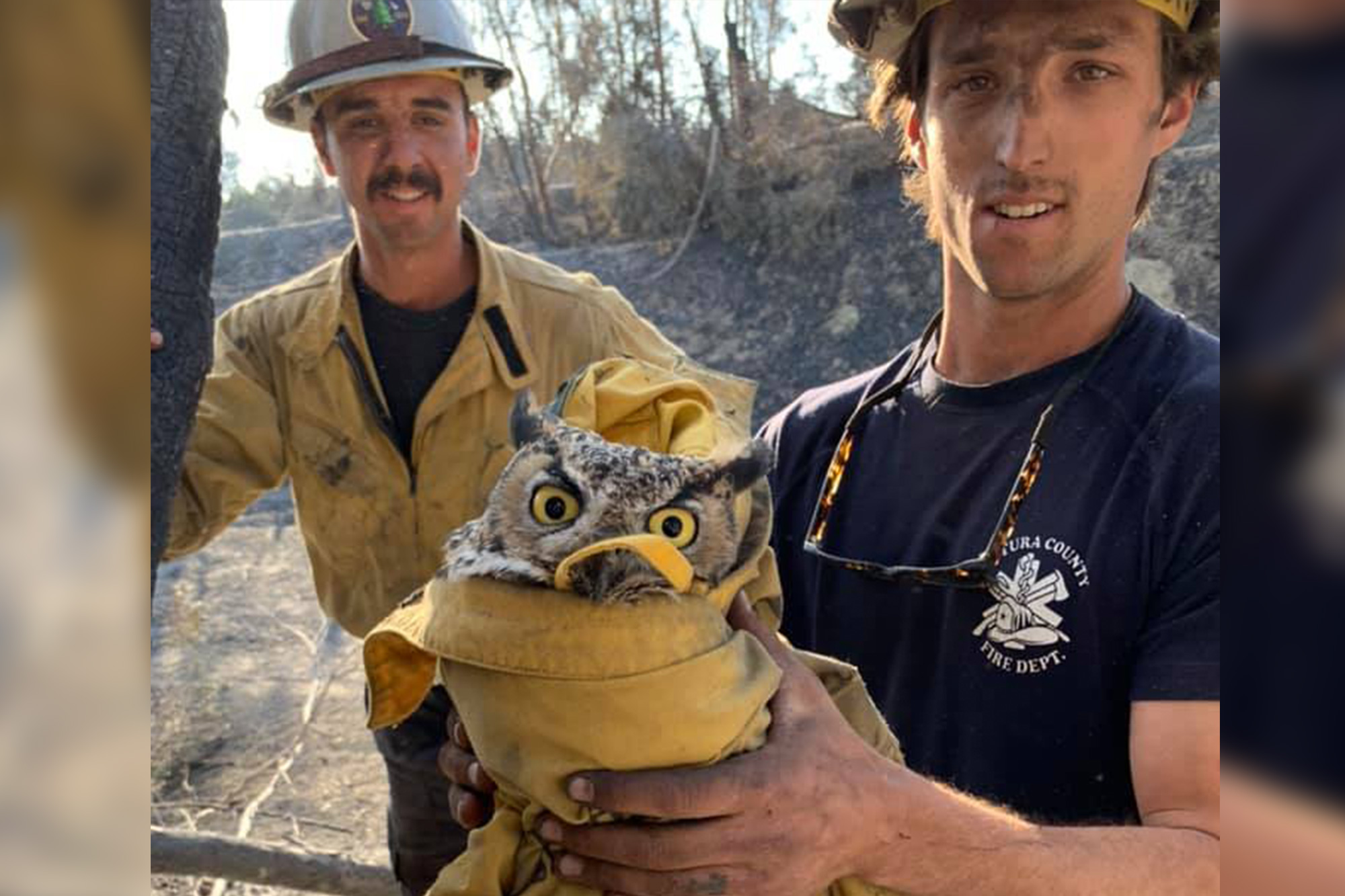
The world is ablaze—literally. As wildfires scorch the earth and hurricanes carve paths of destruction, nature’s most vulnerable creatures find themselves caught in the chaos. Among them, the owl, a silent sentinel of the night, faces an unexpected peril: displacement. But what happens when these feathered guardians of the dark become refugees in their own habitats? How do we, as stewards of this planet, step in when disaster strikes and the skies themselves seem to turn against them?
The Challenges of Releasing Rehabilitated Owls Back into the Wild
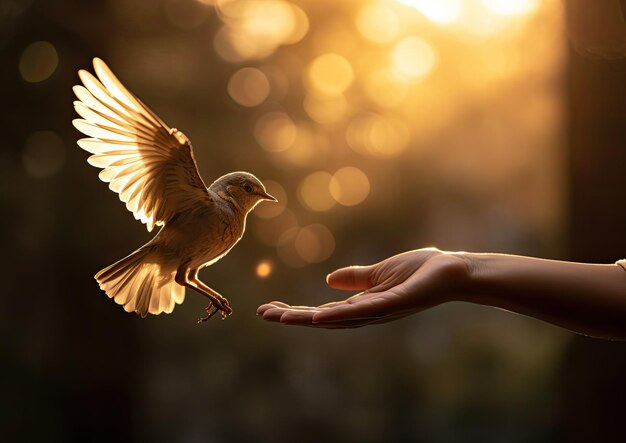
There is something profoundly moving about the moment an owl, once grounded by injury or illness, takes flight again—its wings cutting through the twilight like a silent exhortation to the heavens. This act of release is not merely a physical return to the wild; it is a poignant testament to resilience, a fleeting glimpse into the delicate balance between human intervention and nature’s unyielding rhythm. Yet beneath the quiet beauty of this scene lies a labyrinth of challenges, both seen and unseen, that rehabilitators must navigate with precision, patience, and humility. The journey of restoring an owl to its rightful domain is fraught with complexities that extend far beyond the confines of a recovery aviary.
How to Create a First Aid Kit for Injured Owls
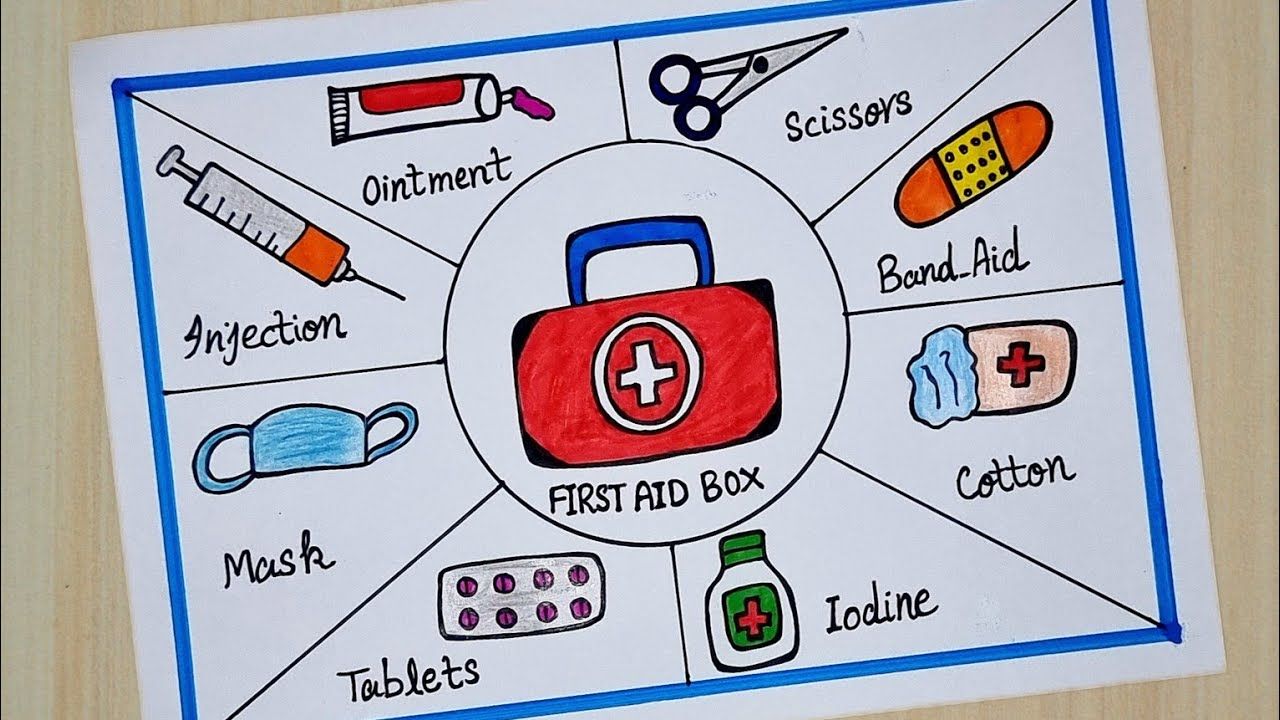
Imagine a moonlit forest, where the only sounds are the rustle of leaves and the distant hoot of an owl. Now, picture one of those owls, wings outstretched, talons tangled in a snare of discarded fishing line. The night is silent, but the urgency is deafening. What if you could be the one to swoop in—not with wings, but with a carefully crafted first aid kit? This isn’t just about saving a bird; it’s about rewriting the story of wildlife survival, one feather at a time.