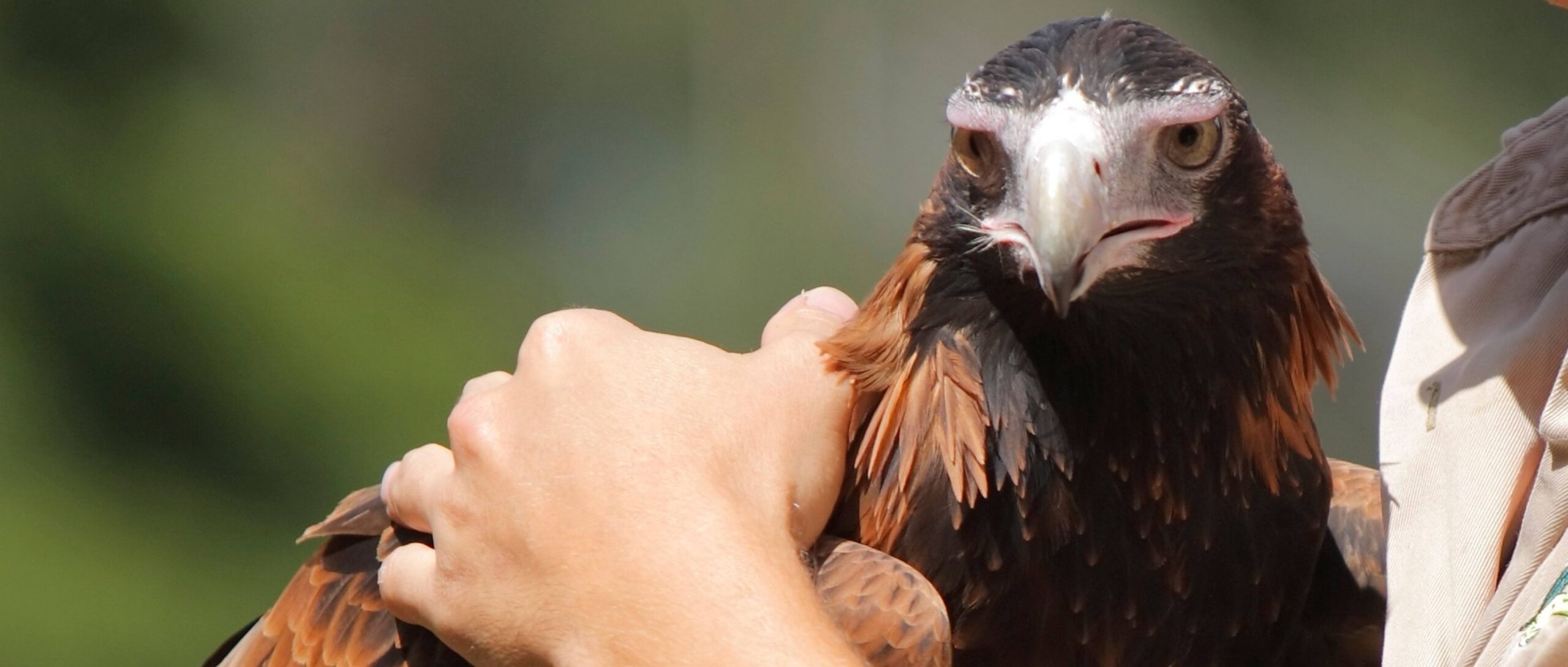
Have you ever wondered how a tiny, injured owl—once a silent hunter of the night—finds its way back to the skies? The answer lies in the hands of unsung heroes: wildlife rehabilitators. These dedicated individuals don’t just mend broken wings; they restore the very rhythm of the wild. Among their most challenging and rewarding cases are owls, those enigmatic birds of prey whose survival hinges on a delicate balance of skill, patience, and compassion. Let’s dive into the world of owl rehabilitation, where every feather counts and every moment matters.
The Silent Guardians: Who Are Wildlife Rehabilitators?
Wildlife rehabilitators are the bridge between injury and freedom, the unseen hands that coax life back into the broken wings of nature’s most resilient creatures. They are not just animal lovers—they are scientists, caregivers, and sometimes even detectives, piecing together clues from a bird’s behavior to diagnose unseen ailments. Owls, with their piercing gaze and nocturnal prowess, present a unique puzzle. These birds are not just any raptors; they are the silent sentinels of the night, their survival tied to their ability to hunt, fly, and thrive in darkness. Rehabilitators must understand their physiology, diet, and behavior intricately, for an owl’s recovery is not merely physical—it’s a restoration of identity.
Consider the barn owl, a ghostly specter of the countryside, or the great horned owl, a powerhouse of feathers and talons. Each species demands a tailored approach. A rehabilitator’s toolkit is far more than bandages and antibiotics; it includes specialized diets, enclosures that mimic natural habitats, and even the subtle art of behavioral conditioning. Without this nuanced care, an owl’s return to the wild is as precarious as a feather in a storm.
The Perils of the Night: Common Owl Injuries
Owls are not invincible. Their nocturnal lifestyle, while a marvel of evolution, exposes them to a gauntlet of dangers. Vehicle collisions, barbed wire lacerations, and rodenticide poisoning are just a few of the silent threats that send these birds to rehabilitation centers. But perhaps the most heartbreaking cases involve owlets—young birds that fall from nests or are orphaned, their survival hanging by a thread of luck and human intervention.
Take, for instance, the great horned owl chick that tumbles from a precarious nest, its bones still soft and its flight muscles untested. Or the barred owl struck by a car, its wing shattered like porcelain. These injuries are not just physical; they are existential. An owl’s ability to hunt is its lifeline. A rehabilitator’s challenge is to mend not just flesh and bone, but the instinct that drives an owl to soar.
Then there’s the insidious threat of rodenticides. Owls, as apex predators, often ingest poisoned rodents, suffering from internal hemorrhaging or neurological damage. The irony? The very chemicals meant to control pests become the predators’ undoing. Rehabilitators must detoxify these birds, a process that can take weeks or even months, all while ensuring their strength doesn’t wane.
The Art of Rehabilitation: From Clinic to Canopy
Rehabilitating an owl is not for the faint of heart. It begins with a thorough assessment—x-rays to locate fractures, blood tests to detect toxins, and behavioral observations to gauge mental resilience. But the real magic happens in the recovery phase. Owls are not dogs or cats; they are wild, untamed, and fiercely independent. A rehabilitator must strike a balance between care and caution, ensuring the bird doesn’t become too accustomed to human presence.
Enclosures play a pivotal role. A great horned owl, for example, requires a space large enough to practice flight but secure enough to prevent reinjury. Some facilities use “hacking” techniques, where owls are placed in elevated enclosures to acclimate to outdoor conditions before release. Others employ “soft releases,” where birds are given access to the wild gradually, with food provided until they’re confident enough to hunt on their own.
Feeding is another critical challenge. Owls are carnivores, but their diet varies by species. A barn owl thrives on small mammals, while a snowy owl might prefer lemmings. Rehabilitators must source appropriate prey, sometimes even hand-feeding injured birds until they can tear flesh themselves. It’s a labor of love, one that demands patience and precision.
The Final Test: Release and Beyond
The moment of release is both exhilarating and nerve-wracking. Will the owl remember how to hunt? Will it recognize its territory? Will it survive the first winter? These questions haunt rehabilitators long after the bird takes flight. Some owls are fitted with tracking devices to monitor their progress, while others are simply released with a silent wish for their success.
But the work doesn’t end there. Post-release monitoring is crucial. Rehabilitators often collaborate with local wildlife agencies to track released owls, ensuring they adapt to the wild. Some birds return with new injuries, a testament to the dangers of their world. Others vanish into the night, their stories becoming part of the forest’s folklore.
For those who’ve dedicated their lives to owl rehabilitation, the rewards are bittersweet. There’s the joy of seeing a bird soar free, but also the heartache of knowing how fragile that freedom can be. Yet, without these guardians of the night, the skies would be quieter, the forests less alive.
A Call to Action: How You Can Help
The fate of owls—and all wildlife—rests not just in the hands of rehabilitators, but in the choices we make every day. Avoiding rodenticides, supporting local wildlife centers, and reporting injured birds are small acts with enormous impact. Owls are not just predators; they are indicators of a healthy ecosystem. When they thrive, so does the world around us.
So the next time you hear the haunting call of an owl in the night, pause and listen. Behind that sound is a story of resilience, of second chances, and of the quiet heroes who make it all possible. The night belongs to the owls—but their survival depends on us.