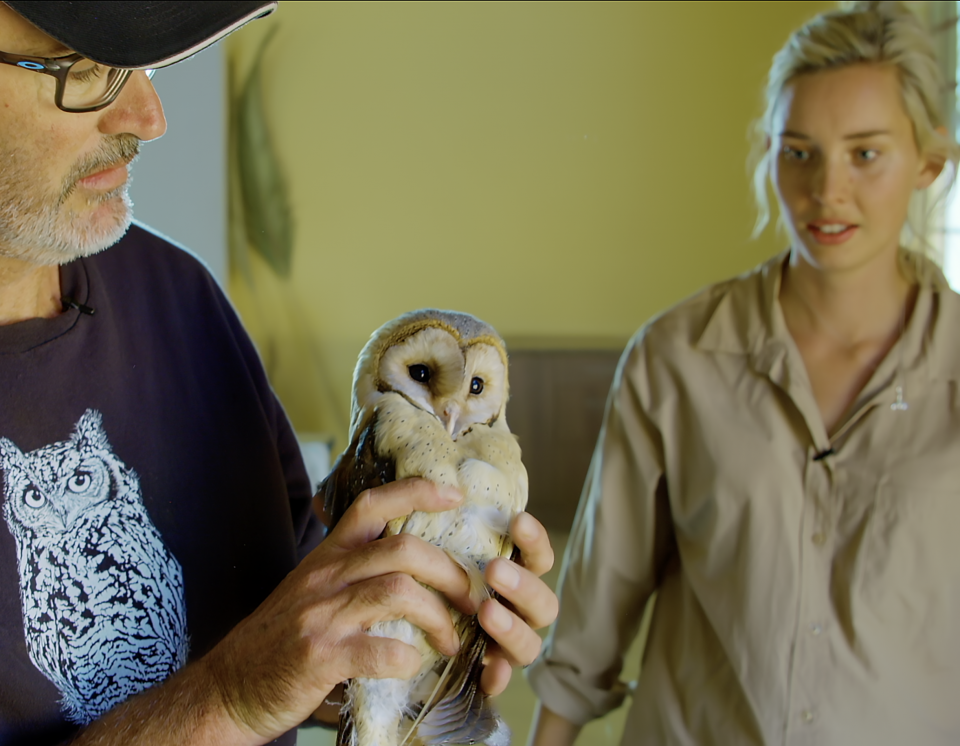
Imagine a world where the haunting screeches of owls no longer pierce the silence of the night—not because their numbers have dwindled, but because they soar freely, their wings unburdened by injury or despair. This isn’t a distant utopia; it’s a vision that begins with a single, determined soul willing to step into the shadows and reclaim the skies for these enigmatic birds of prey. Starting your own owl rescue organization isn’t just about saving animals; it’s about rewriting the narrative of coexistence between humans and wildlife, one feather at a time.
The Call of the Wild: Why Owls Need Saving
Owls, those silent sentinels of the night, are facing a crisis that often goes unnoticed. Habitat destruction, vehicular collisions, rodenticide poisoning, and even the pet trade have left these majestic creatures vulnerable. Unlike their diurnal counterparts, owls are nocturnal, their lives unfolding in the cloak of darkness—a fact that makes their struggles all the more invisible to the average person. Yet, their decline signals a deeper imbalance in our ecosystems. When owls vanish, the rodents they control multiply, crops suffer, and the delicate web of nature begins to fray. Starting an owl rescue isn’t just an act of compassion; it’s a rebellion against ecological amnesia, a refusal to let these birds become mere footnotes in the story of human progress.
Laying the Groundwork: Legal and Logistical Foundations
Before you can open your doors to injured or orphaned owls, you must navigate the labyrinth of legalities that govern wildlife rehabilitation. Permits are non-negotiable—federal, state, and sometimes even local licenses will be required to possess, rehabilitate, and release these protected species. Research the specific regulations in your region, as they vary widely. Consult with wildlife agencies, attend workshops, and connect with established rehabbers who can guide you through the bureaucratic maze. Logistics extend beyond paperwork; they encompass the physical space you’ll need. A quiet, secure facility away from urban noise is essential, along with enclosures designed to mimic natural habitats. Think of it as building a sanctuary, not just a shelter—a place where owls can heal without the specter of human interference looming over them.
The Art of the Hunt: Sourcing Injured Owls
Owls rarely arrive at your doorstep by chance. They must be sought out, often in the most unexpected places. Partner with local wildlife control agencies, veterinarians, and even roadside assistance services that encounter injured birds during their patrols. Train yourself and volunteers to recognize signs of distress—a grounded owl during daylight hours, a bird with a drooping wing, or one caught in a snare. Social media can be a powerful tool; create a network where concerned citizens can report sightings. But beware the allure of the “rescue” that isn’t a rescue at all. Not every owl needs intervention; some are merely in the midst of molting or learning to fly. Discernment is your greatest ally in this pursuit.
Healing Wings: Rehabilitation Techniques
Rehabilitating an owl is a delicate dance between science and intuition. Each species—barn owl, great horned owl, screech owl—has its own quirks, its own rhythms of recovery. Start with a thorough assessment: Is the injury physical or neurological? Is the bird dehydrated or malnourished? Create a treatment plan that addresses both immediate needs and long-term rehabilitation. Soft-release aviaries, where owls can acclimate to the wild before full release, are ideal. But rehabilitation isn’t just about physical healing; it’s about restoring dignity. Avoid over-handling, minimize human contact, and ensure the environment is as natural as possible. Remember, the goal isn’t just to save a life—it’s to return a creature to the skies, where it belongs.
The Silent Language: Understanding Owl Behavior
Owls communicate in ways that are subtle, almost imperceptible to the untrained eye. A flick of the ear, a shift in posture, the dilation of pupils—these are the words of the night. Learning to read these signals is crucial for a rescuer. A stressed owl may hiss or snap its beak, while a content one might preen or close its eyes in relaxation. Vocalizations, too, vary: the eerie trill of a barn owl, the deep hoots of a great horned owl, the whinnies of a screech owl. Spend time observing wild owls, even if it’s through trail cameras or recorded footage. The more you understand their language, the better you’ll be at interpreting the needs of those in your care.
Feeding the Night: Nutrition and Diet
An owl’s diet is a study in precision. A great horned owl, for instance, might feast on rabbits, while a tiny saw-whet owl survives on insects. Replicating this in captivity requires research and adaptability. Frozen-thawed prey is often the safest option, as it reduces the risk of disease transmission. But not all owls will accept it immediately. Patience is key. Some may need to be hand-fed, a process that demands both gentleness and firmness. Supplements, like calcium for growing chicks, may also be necessary. And never underestimate the importance of hydration—owls get most of their water from their prey, but those in rehabilitation may need additional sources. A well-fed owl is a resilient one, ready to face the wild once more.
Release and Beyond: The Final Frontier
The moment an owl takes flight from your care is bittersweet. It’s the culmination of weeks, perhaps months, of dedication—and yet, it’s also the beginning of a new chapter for the bird. Release sites should be carefully chosen: remote, safe from predators, and rich in natural prey. Soft releases, where owls are given time to acclimate in an aviary before being set free, often yield the best results. But the work doesn’t end there. Post-release monitoring, through banding or telemetry, can provide invaluable data on survival rates and habitat use. And for those owls deemed non-releasable—due to permanent injury or imprinting—permanent sanctuary becomes their new home. These birds, too, have a role to play, serving as ambassadors for their wild kin, educating the public about the importance of owl conservation.
Building a Community: Volunteers and Advocacy
No owl rescue thrives in isolation. It takes a village—volunteers to clean enclosures, donors to fund medical supplies, educators to spread awareness. Recruit a diverse team: photographers to document cases, social media managers to amplify your message, and fundraisers to keep the lights on. Host workshops, school programs, and public events to foster a culture of stewardship. The more people who understand the plight of owls, the harder it becomes for policymakers to ignore their decline. Advocacy isn’t just about saving individual birds; it’s about shifting the collective consciousness, one story at a time.
The Ripple Effect: How One Rescue Changes Everything
Every owl you save is a ripple in the pond of conservation. It inspires others to act, to question, to care. It proves that even the smallest efforts can have monumental impacts. But the true magic lies in the unseen—those moments when a rehabilitated owl takes to the skies, when a volunteer’s eyes widen with wonder, when a child asks, “Can I help too?” That’s when you realize: this isn’t just about owls. It’s about restoring balance, about reclaiming the wild, about proving that humanity and nature can coexist, not as conquerors and conquered, but as partners in a shared world. The night is vast, and the work is endless, but the call of the wild is louder than ever. Will you answer?