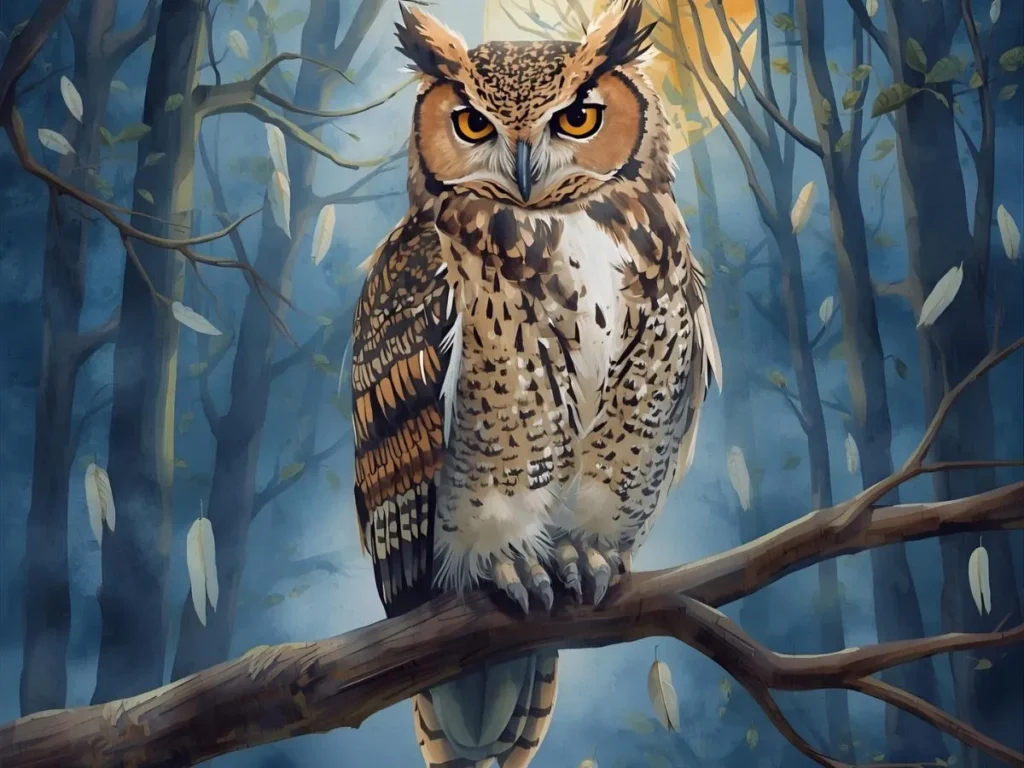
The owl, an enigmatic creature cloaked in the shadows of the night, has long served as a potent symbol woven deeply into human consciousness. Its penetrating gaze, nocturnal nature, and whispered presence evoke an aura of mystique and sagacity. But beyond the realm of spirituality and mythology, the owl’s symbolic resonance permeates the sphere of politics, where it emerges as a compelling metaphor laden with intrigue and subtle power. This article explores the owl’s evocative role in political imagery, revealing how its unique appeal captures the complexities of political wisdom, vigilance, and strategy.
The Owl as a Symbol of Political Wisdom
In politics, wisdom is the currency that underpins effective leadership. The owl, with its association with Athena, the ancient Greek goddess of wisdom, transcends time as an emblem of strategic intelligence and prudent judgment. Politicians and political movements often invoke the owl’s imagery to signify sagacity—an indispensable trait when navigating labyrinthine political landscapes. Unlike the brash and boisterous, the owl’s quiet observation mirrors the ideal statesman’s ability to assess situations with depth and clarity before acting. This metaphor underscores the necessity for leaders to see beyond the superficial and comprehend the deeper undercurrents that shape policy and public sentiment.
The owl’s nocturnal nature amplifies this idea. Operating under cover of darkness, the owl represents an acute awareness that flourishes in obscurity—a sharp contrast to the noisy clamor of political campaigns. It embodies the intangible expertise of those who comprehend the subtle mechanics of governance, diplomacy, and negotiation, steering the course with precision rather than spectacle.
Vigilance and Watchfulness: The Owl’s Political Gaze
Political actors must remain vigilant, constantly monitoring their environment to anticipate shifts and threats. Here, the owl serves as a metaphor for watchfulness, ever-alert to danger and opportunity alike. Its eyes, capable of piercing through darkness, symbolize a politician’s keen insight and the unyielding scrutiny of political rivals, watchdog institutions, and the electorate.
In democratic systems, the owl also resonates as a figure that reminds governments and citizens alike to maintain a watchful eye on authority. The emblematic owl embodies the role of the vigilant guardian, one who surveys the political horizon, ensuring that no abuse of power slips unnoticed into the shadows. This metaphor extends to intelligence agencies or investigative journalists who operate behind the veil, unveiling truths that shape the political discourse.
The Owl and Political Secrecy: Shadows and Strategy
While the owl’s wisdom and vigilance are celebrated, its nocturnal existence also symbolizes secrecy and the covert machinations that characterize political strategy. Shadows are not only habitats but realms of influence for political maneuvering—where backroom deals, whispered alliances, and clandestine operations unfold. The owl inhabits these shadows, representing the often hidden aspects of politics that escape public view yet direct the flow of power.
This metaphor speaks to the dichotomy in politics: transparency versus opacity. The owl’s symbolism captures the delicate balance between necessary discretion and the risk of secrecy breeding mistrust. Political operatives who embrace the owl’s nature are those who understand that power is sometimes wielded most effectively when veiled in subtlety and restraint.
The Duality of the Owl: Prophecy and Omen
Throughout history, owls have been perceived as both harbingers of wisdom and ominous portents. In political parlance, this duality enriches the metaphor, reflecting the unpredictable outcomes embedded in governance and power struggles. An owl perched on the precipice evokes a sense of forewarning—signaling turbulent times ahead or the impending fall of regimes.
Political actors often face moments where decisions carry weighty consequences, shaping the destiny of nations and citizens. The owl’s ambiguous symbolism therefore mirrors the precarious nature of political prophecy—wise counsel may illuminate the path or foretell unforeseen peril. This dual interpretation heightens the owl’s enigmatic appeal in political discourse, revealing the nuanced interplay between foresight, risk, and uncertainty.
The Owl in Political Cartoons and Rhetoric
Political cartoons and rhetoric frequently harness the owl’s metaphorical strength, embedding it as a symbol to convey deeper meanings succinctly. The owl may represent a leader’s wisdom or cunning, a watchful electorate, or the hidden veneer beneath political facades. Its presence within satirical or serious commentary serves as a visual shorthand that enriches critique and reflection simultaneously.
Moreover, the owl’s portrayal varies—sometimes noble and dignified, other times sinister and cryptic, reflecting the multifaceted nature of political figures and institutions. This versatility makes the owl an unparalleled device in political expression, invoking intrigue and inviting audiences to decode underlying messages of power, strategy, and morality.
The Unique Appeal of the Owl as a Political Metaphor
What sets the owl apart in the realm of political symbolism is its inherent complexity and atmospheric resonance. Unlike more overt symbols—flags, eagles, or laurel wreaths—the owl captivates through subtlety and depth. Its nocturnal persona, silent flight, and penetrating gaze craft a narrative of intelligence tempered by mystery, an emblem that resists simplification.
This uniqueness offers a rich tapestry for political storytelling, a metaphor that encapsulates the multifarious demands placed upon leaders and citizens alike. It acknowledges that politics is rarely black and white; rather, it thrives in shadows where knowledge, power, and morality intersect in delicate balance. The owl invites reflection on the opaque and often paradoxical realities of political life—arousing fascination and respect in equal measure.
Conclusion: Embracing the Owl’s Metaphor in Contemporary Politics
In an era characterized by rapid information flow and public scrutiny, the owl remains a timeless metaphor illustrating the multifaceted nature of political existence. Its symbolism as a beacon of wisdom, vigilance, secrecy, and prophetic insight resonates deeply in modern political arenas. The owl challenges leaders and observers to cultivate a penetrating vision—capable of discerning truth amid noise, navigating complexities with wisdom, and appreciating the shadows where true power often dwells.
Thus, the owl’s haunting silhouette—a figure of enigmatic grace—continues to hold a mirror to political realities. It encourages a contemplative engagement with the art and craft of governance, reminding us that in politics, as in the natural world, those who see most clearly often do so under the cover of night.