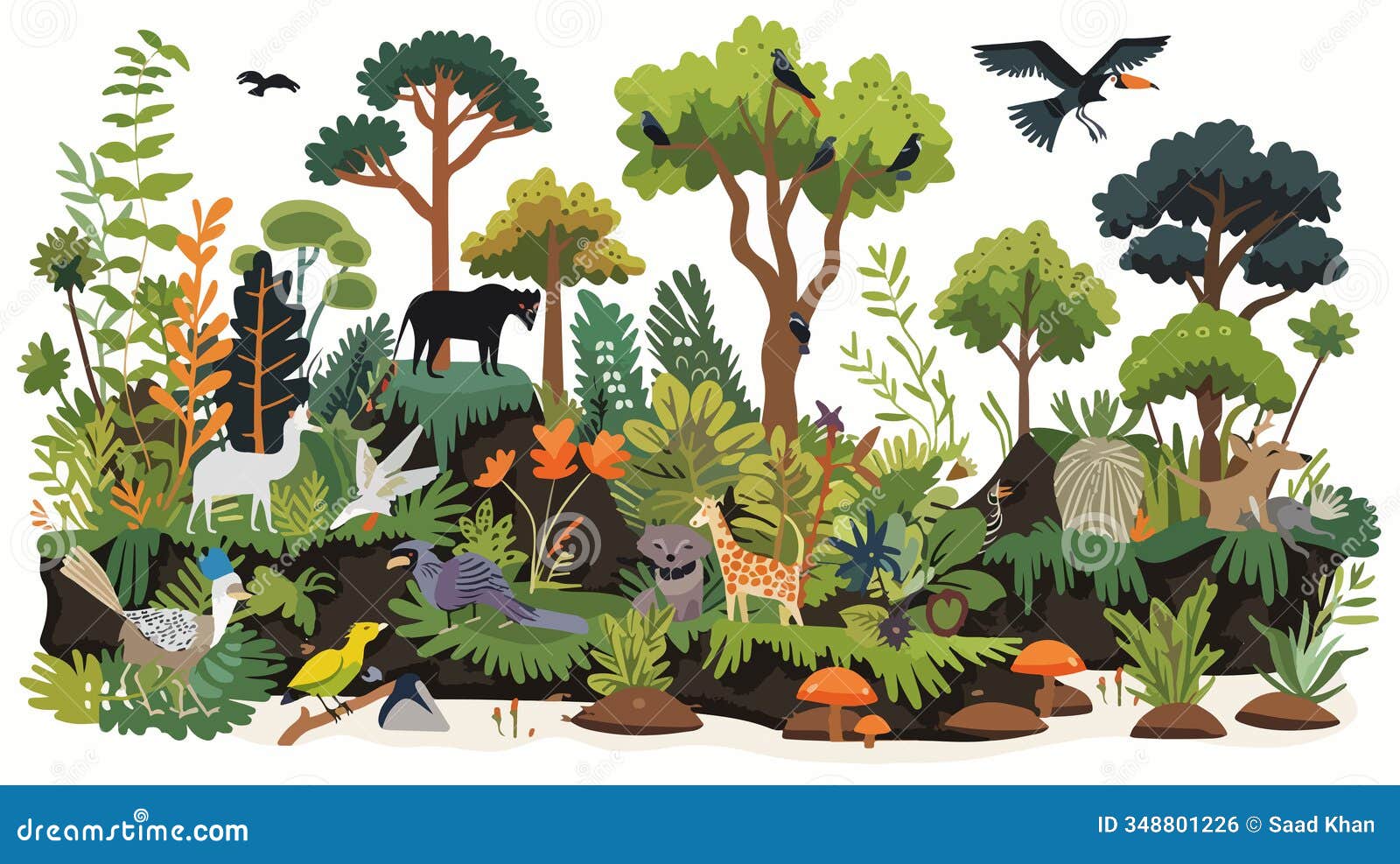
The night unfurls its velvet cloak, and in the hush of twilight, a silent sentinel takes flight. Owls, those enigmatic architects of the dark, are more than mere creatures of folklore—they are living barometers of ecological vitality. Their presence whispers of a world in balance, where every rustle of leaves and chirp of crickets is part of a grand, unseen symphony. To understand why owls are the unsung heroes of biodiversity is to peer into the intricate tapestry of nature’s design, where each thread—from the tiniest insect to the mightiest oak—is woven into a story of interdependence. Their existence is not just a marvel of adaptation but a testament to the health of the ecosystems they inhabit, a silent yet profound indicator that the natural world thrives in all its complexity.
The Silent Architects of the Night: Owls as Keystone Predators
Owls are the architects of the nocturnal realm, their presence shaping the very structure of the ecosystems they inhabit. As apex predators, they occupy the pinnacle of the food web, yet their influence cascades downward, creating a ripple effect that sustains biodiversity. Their hunting prowess is unparalleled—silent wings cutting through the darkness, eyes like twin moons piercing the gloom, and talons that strike with the precision of a master artisan. This predatory dominance is not mere theatrics; it is a critical function that regulates prey populations, preventing any single species from dominating and thus maintaining the delicate equilibrium of the ecosystem.
Consider the barn owl, a ghostly specter of the rural landscape. Its diet consists primarily of small mammals like voles and mice, creatures whose populations, if left unchecked, could spiral into overabundance. By preying on these rodents, the barn owl curtails their destructive tendencies—digging up crops, spreading disease, and destabilizing plant communities. In this way, the owl acts as a natural pest control, its presence a boon to farmers and a balm to the land. Without such predators, ecosystems would teeter on the brink of collapse, a cautionary tale of imbalance written in the language of scarcity.
The Echoes of Health: How Owls Reflect Ecosystem Vitality
To encounter an owl is to witness a living barometer of environmental health. Their presence—or absence—speaks volumes about the state of the habitats they call home. A thriving owl population is a sign that the ecosystem is rich in prey, that the soil is fertile, that the water is clean, and that the web of life is intact. Conversely, a decline in owl numbers often signals a disruption in the delicate balance of nature, whether due to habitat loss, pollution, or the insidious spread of invasive species.
Take the spotted owl, a species whose fate has become intertwined with the fate of old-growth forests in the Pacific Northwest. These owls are inextricably linked to the towering conifers that provide both nesting sites and a bounty of prey. When these ancient forests are razed for timber or development, the spotted owl’s survival hangs in the balance. Their decline is not just a tragedy for the species itself but a harbinger of broader ecological distress. In this way, owls serve as sentinels, their struggles a mirror held up to the health—or illness—of the natural world.
Their sensitivity to environmental changes makes them invaluable indicators. Unlike some species that can adapt to shifting conditions, owls are often the first to falter when ecosystems are pushed to their limits. Their decline serves as an early warning, a call to action for conservationists and policymakers alike. In this role, they are the canaries in the coal mine of biodiversity, their fate a stark reminder of the fragility of the world we share.
The Web of Life: Owls and the Interconnectedness of Species
Owls are not solitary figures in the grand narrative of nature; they are threads woven into the fabric of life, each one connected to countless other species in a dance of survival. Their presence influences not just their prey but the plants that those prey consume, the predators that might compete with them, and even the scavengers that feast on their leftovers. This interconnectedness is the essence of biodiversity—a tapestry where every organism, no matter how small, plays a role in the survival of the whole.
Consider the relationship between owls and the trees that shelter them. Many owl species rely on cavities in old trees for nesting, and without these natural hollows, their reproductive success plummets. But the trees themselves are part of a larger story. They provide shelter for countless insects, birds, and mammals, each of which contributes to the ecosystem in its own way. A forest without owls is a forest out of balance, a place where the song of the night is stifled, and the harmony of life is diminished.
Even the owl’s role as a scavenger underscores its importance. When an owl hunts and fails to consume its prey entirely, the remnants become a feast for foxes, raccoons, and insects. This cycle of life and death is the engine that drives nutrient recycling, ensuring that the soil remains fertile and the plants continue to grow. In this way, owls are not just predators; they are custodians of the cycle, their actions echoing through the generations of life that follow.
The Enigma of Adaptation: Owls as Masters of Survival
Owls are the embodiment of evolutionary ingenuity, their adaptations a testament to nature’s boundless creativity. Their silent flight is made possible by specialized feathers that muffle sound, allowing them to approach prey undetected. Their eyes, fixed in their sockets, grant them binocular vision for depth perception, while their ability to rotate their necks 270 degrees grants them a 360-degree view of their surroundings. These adaptations are not just marvels of biology; they are evidence of an ecosystem that has nurtured and refined life over millennia.
Their diversity is equally astonishing. From the snowy owl of the Arctic tundra to the burrowing owl of the open plains, each species has evolved to thrive in its unique environment. The snowy owl, for instance, is a creature of extremes, its thick plumage and keen senses honed for survival in the harsh, windswept landscapes of the far north. Meanwhile, the burrowing owl has adapted to a life on the ground, nesting in abandoned mammal burrows and even forming symbiotic relationships with prairie dogs. These adaptations are not just survival strategies; they are a celebration of life’s resilience in the face of adversity.
But adaptation is a double-edged sword. As human activities reshape the planet, many owl species struggle to keep pace. Climate change alters the landscapes they know, invasive species disrupt the delicate balance of their habitats, and pollution poisons the very air and water they depend on. The story of owls is, in many ways, a microcosm of the broader struggle for survival in a world increasingly dominated by human influence. Their ability to adapt is a testament to their tenacity, but it is also a reminder of the limits of resilience in the face of unchecked environmental degradation.
Guardians of the Night: The Cultural and Ecological Legacy of Owls
Beyond their ecological significance, owls hold a place of reverence in human culture, their mystique woven into the myths and legends of civilizations across the globe. In ancient Greece, the owl was the sacred companion of Athena, goddess of wisdom, its image a symbol of knowledge and foresight. Native American tribes saw the owl as a messenger between the spirit world and the living, its hoots a bridge between the seen and the unseen. Even in modern times, owls continue to captivate our imagination, their silent flight and piercing gaze a source of both fear and fascination.
This cultural legacy is not merely a matter of folklore; it is a reflection of the deep connection between humans and the natural world. Owls, with their enigmatic presence, remind us of the mysteries that still linger in the shadows of the night. They challenge us to look beyond the surface, to see the world not just as it appears but as it truly is—a place of wonder, complexity, and interdependence. In this way, they are more than just indicators of biodiversity; they are symbols of the enduring bond between humanity and the wild.
Their conservation is not just a matter of protecting a single species; it is a commitment to preserving the intricate web of life that sustains us all. When we safeguard the habitats of owls, we are not just saving a bird; we are protecting the forests, the rivers, and the meadows that form the backbone of our planet’s health. We are, in essence, safeguarding the future of our own species, for in the silence of the night, the owl’s hoot is a reminder that we are not the only inhabitants of this world—and that our survival is inextricably linked to the survival of all life.