Owls, those enigmatic nocturnal sentinels of the wild, embody both mystery and grace. Yet, beneath their silent wings lies a hidden battleground—one where pathogens like West Nile Virus and Avian Flu wage silent wars. These diseases don’t just threaten individual birds; they ripple through ecosystems, altering food chains and reshaping the very fabric of avian life. For bird enthusiasts, conservationists, and wildlife biologists alike, understanding these threats is not just academic—it’s a call to action. This exploration dives deep into the diseases that haunt owl populations, their insidious spread, and the urgent measures needed to safeguard these magnificent creatures.
The Silent Invaders: West Nile Virus in Owls
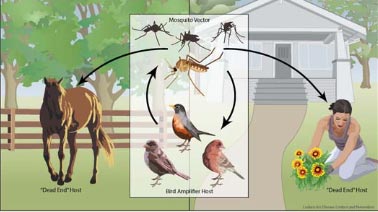
West Nile Virus (WNV) is a stealthy adversary, transmitted primarily by the bite of infected mosquitoes. While it often spares humans with mild symptoms, owls—especially those in urban and suburban habitats—face a far graver risk. The virus targets the nervous system, inducing symptoms ranging from disorientation and tremors to paralysis and death. Great Horned Owls and Barred Owls, with their expansive ranges, are particularly vulnerable, as their habitats overlap with mosquito breeding grounds. The virus doesn’t just kill; it disrupts the delicate balance of predator-prey dynamics, as sick owls become easier prey for foxes, coyotes, and even other raptors. The silent spread of WNV is a stark reminder of how human-altered landscapes inadvertently fuel zoonotic diseases.
Avian Influenza: The Pandemic Threat Lurking in the Skies
Avian Influenza (AI), particularly the highly pathogenic H5N1 strain, is a specter haunting global bird populations. Owls, though not primary carriers, can contract the virus through contact with infected prey—such as waterfowl or rodents—or contaminated environments. The consequences are devastating: sudden death, respiratory distress, and neurological impairment. Unlike WNV, AI spreads with terrifying efficiency, often jumping between species in a matter of days. The 2020-2022 H5N1 outbreak decimated wild bird populations across Europe and North America, and owls were not spared. The virus’s ability to mutate rapidly means that even species previously considered low-risk could face catastrophic declines. Conservationists now monitor owl populations with heightened vigilance, knowing that an outbreak could erase decades of recovery efforts in a single season.
Fungal Foes: Aspergillosis and the Invisible Killer
While viruses dominate the headlines, fungal infections like Aspergillosis pose a silent, creeping threat to owls. Caused by the Aspergillus fungus, which thrives in damp, decaying organic matter, this disease infiltrates the respiratory system, choking the life from its hosts. Owls in rehabilitation centers or those exposed to polluted environments—such as near agricultural runoff or landfills—are at heightened risk. The symptoms are insidious: labored breathing, lethargy, and a gradual wasting away. Unlike viral diseases, Aspergillosis is treatable if caught early, but many wild owls perish before they can be rescued. The rise of fungal pathogens underscores a grim truth: environmental degradation is not just a human problem—it’s a death sentence for wildlife.
Parasitic Predicaments: From Lice to Blood-Sucking Mites
Parasites may lack the dramatic flair of viruses or fungi, but their impact on owl health is no less profound. Ectoparasites like feather lice and blood-sucking mites weaken owls by causing chronic stress, feather damage, and anemia. In severe infestations, owls expend vital energy grooming instead of hunting, leading to malnutrition and increased susceptibility to other diseases. The Barn Owl, with its preference for nesting in abandoned structures, often falls victim to these relentless hitchhikers. Meanwhile, endoparasites such as nematodes and trematodes infest the digestive tract, sapping nutrients and leaving owls emaciated. The interplay between parasites and disease is a delicate dance—one where a single weakened owl can become a vector for broader outbreaks.
Environmental Stressors: The Unseen Catalysts of Disease
Disease in owl populations is rarely a standalone phenomenon. It thrives in the shadow of environmental stressors—habitat loss, climate change, and chemical pollution. Deforestation forces owls into fragmented landscapes, where they encounter novel pathogens and compete for dwindling resources. Climate change, with its erratic weather patterns, disrupts breeding cycles and expands the range of mosquito populations, fueling WNV transmission. Pesticides and heavy metals accumulate in owl tissues, impairing immune function and leaving them defenseless against invaders. The story of owl diseases is, at its core, a story of ecological imbalance—a reminder that the health of these birds is a barometer for the planet’s well-being.
Conservation in the Crosshairs: Strategies for Protection
Combating owl diseases requires a multi-pronged approach, blending science, policy, and community action. Habitat restoration is paramount, ensuring that owls have access to undisturbed nesting sites and abundant prey. Mosquito control measures, such as eliminating standing water and introducing natural predators like dragonflies, can curb WNV transmission. Surveillance programs, where citizen scientists and researchers track owl health, provide early warnings of outbreaks. Rehabilitation centers play a critical role, treating infected owls and releasing them back into the wild. Yet, the most powerful tool may be education—raising awareness about the risks of feeding wild owls or disturbing their nests, which inadvertently spreads disease. The fight to protect owls is not just about saving a species; it’s about preserving the soul of the wild.
The Future of Owls: A Call to Vigilance
The fate of owl populations hangs in a delicate balance, teetering between resilience and ruin. As new pathogens emerge and old ones evolve, the challenges grow ever more complex. Yet, there is hope. Advances in veterinary medicine, genetic research, and conservation technology offer tools to turn the tide. The key lies in collaboration—bridging the gap between researchers, policymakers, and the public. Every owl saved is a testament to our commitment to the natural world. The silent wings of these birds should not be stilled by disease; they should continue to slice through the night, a reminder of nature’s enduring mystery and majesty.