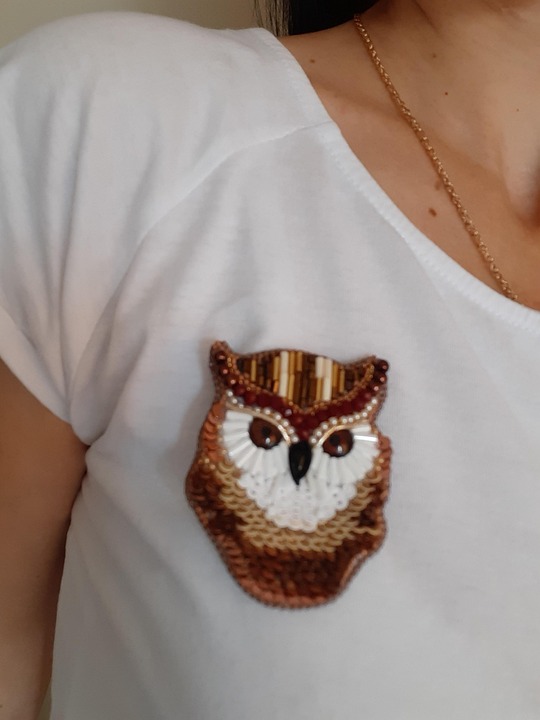
The owl, a creature of silent flight and piercing gaze, has long captivated the human imagination. Its feathers, a tapestry of earthy hues and intricate patterns, hold a quiet majesty that photography often struggles to fully capture. Yet, with the alchemy of post-processing, we can coax out the hidden whispers of light and shadow, transforming a mere snapshot into a visual sonnet. Editing owl photos is not merely about sharpening pixels—it’s about revealing the soul of the bird, the unspoken stories woven into every contour of its plumage. This is where the magic of post-processing begins.
Watching & Photography
The Best Time of Year to See Owls: Seasonal Viewing Guides
There’s a quiet magic in the world of owls—a realm where silent wings cut through twilight and piercing golden eyes pierce the darkness. These nocturnal sentinels have long captivated human imagination, embodying wisdom, mystery, and an almost supernatural presence. But when, exactly, do these feathered enigmas reveal themselves most vividly? The answer isn’t as simple as a single season or a fixed date on the calendar. Owls, with their diverse species and global habitats, follow rhythms as intricate as the ecosystems they inhabit. Whether you’re an avid birdwatcher, a casual nature enthusiast, or someone who simply finds solace in the hushed beauty of the wild, understanding the best times to observe these birds can transform a simple outing into a transcendent experience. This guide will take you through the seasons, the regions, and the behaviors that define the prime moments to witness owls in their natural splendor.
The Ethics of Owl Watching: How to Observe Without Disturbing

There is a peculiar thrill in the hush of twilight, when the world dims into velvet and the only sound is the whisper of wings cutting through the air. Owls, those silent sentinels of the night, have long captivated the human imagination—not merely as creatures of the dark, but as enigmas wrapped in feathers and mystery. Yet, as our fascination with these nocturnal beings deepens, so too does the responsibility to observe them without infringing upon their fragile existence. The ethics of owl-watching is not just a matter of etiquette; it is a delicate dance between curiosity and conservation, a balance between our desire to witness nature’s wonders and the imperative to preserve them.
Owl Watching at Night: Safety Tips and Equipment
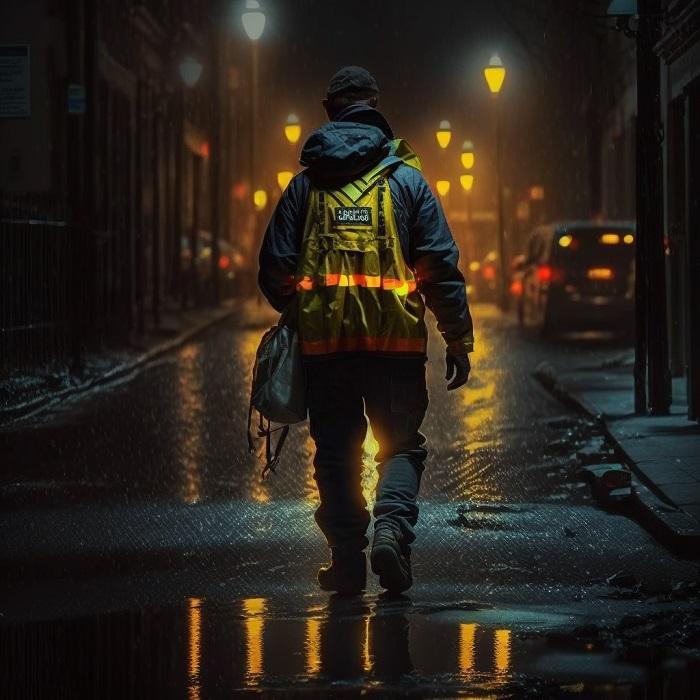
There’s something primal about stepping into the night, when the world slows and the air hums with unseen life. Among the most captivating of these nocturnal encounters is owl watching—a practice that transcends mere observation, tapping into ancient instincts and the quiet magic of the dark. These silent hunters, cloaked in feathered mystery, move with an eerie grace that has fascinated humans for millennia. But to truly appreciate their presence, one must approach the experience with respect, preparation, and a deep understanding of the environment they inhabit. Whether you’re drawn by curiosity, a love of nature, or the thrill of the unseen, owl watching at night offers a rare glimpse into a world that thrives beyond the reach of daylight.