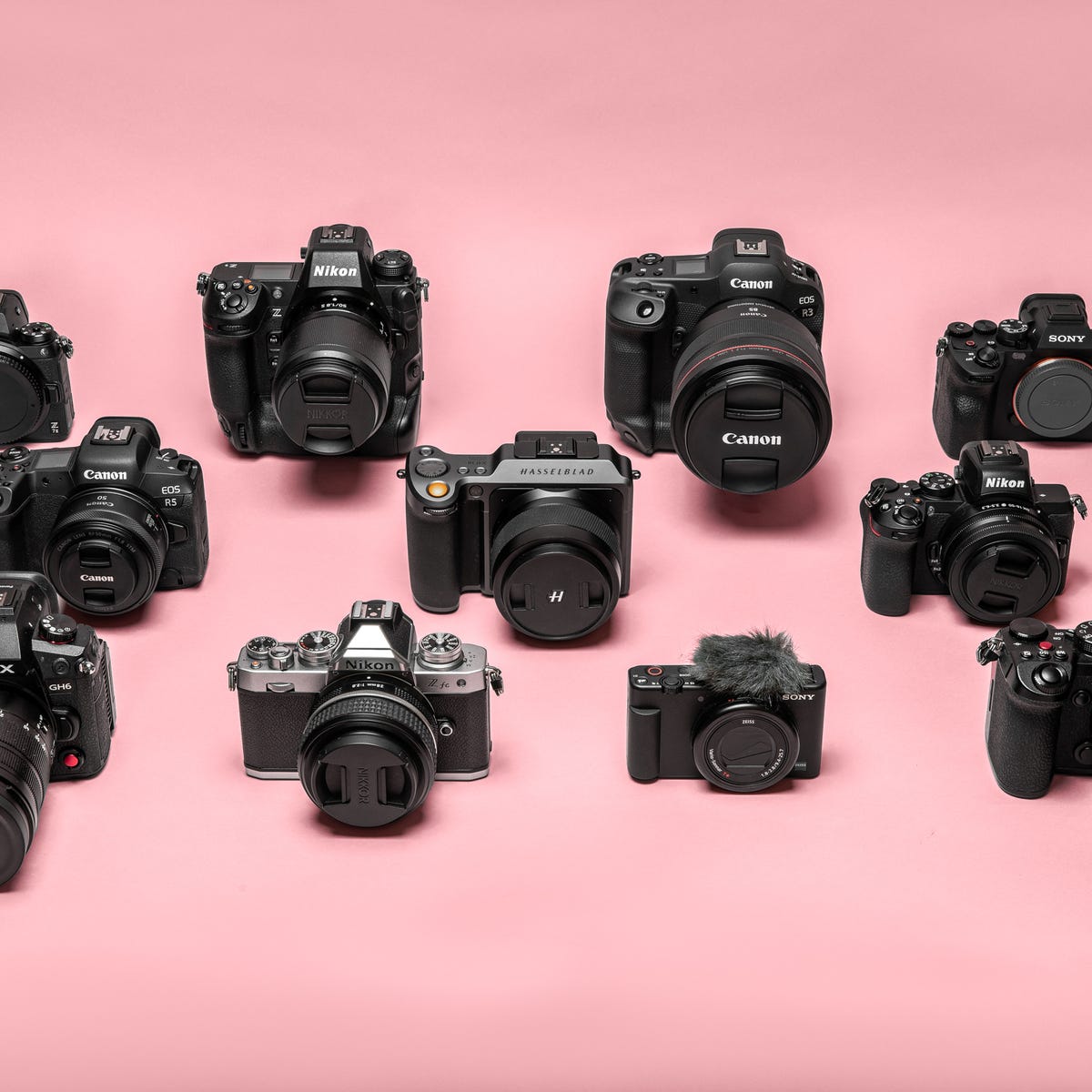
There’s a moment, suspended in the velvet hush of dusk, when the world tilts from day to night—and the owl emerges. Silent. Unblinking. A living paradox of softness and precision, its gaze piercing the gloom with an almost supernatural clarity. To capture this creature in its element demands more than skill; it requires a camera that doesn’t just see in the dark, but *understands* it. The best cameras for owl photography aren’t merely tools—they’re silent collaborators, translating the whispers of the night into images that feel alive with mystery and wonder. This isn’t just about gear. It’s about unlocking a hidden dimension of nature, where every feather, every flicker of the iris, becomes a story waiting to be told.
The Alchemy of Low-Light Mastery: Why Sensor Size Dictates Destiny
In the realm of nocturnal wildlife, light is a currency—and the larger the sensor, the more of it you can hoard. Full-frame sensors, with their expansive surface area, gather photons like a sponge drinks water, transforming faint starlight into usable data. This isn’t just about megapixels; it’s about dynamic range, the ability to retain detail in both the deepest shadows and the faintest highlights. APS-C sensors, while more compact, can still perform admirably, but they demand a trade-off: higher ISO settings that introduce noise like static on an old radio. For owl photography, where every photon is precious, a full-frame body isn’t a luxury—it’s a necessity. It’s the difference between a grainy silhouette and a portrait that feels like it was painted with moonlight.
Autofocus in the Abyss: Tracking the Unseen with Precision
The night is a labyrinth of shifting shadows, where an owl’s sudden lunge for prey can vanish in the blink of an eye. Traditional autofocus systems, designed for daylight clarity, falter in the dark, their contrast-detection algorithms stumbling over the lack of texture. Enter phase-detection autofocus, a technology that measures the convergence of light rays to lock onto subjects with eerie accuracy. But even this has its limits. The best cameras for owl photography employ advanced AI-driven tracking, using deep learning to predict movement patterns before they happen. Some models even integrate eye-tracking, ensuring the owl’s gaze remains razor-sharp, even as it pivots its head with the fluidity of a dancer. This isn’t just autofocus—it’s prescience, a sixth sense that anticipates the unseen.
Lens Whisperers: Glass That Bends Light to Your Will
A camera body is only as good as the glass attached to it, and for owl photography, the lens is your magic wand. Prime lenses, with their fixed focal lengths, excel in low light by maximizing aperture—often reaching f/1.4 or wider. This isn’t just about brightness; it’s about isolating the owl against the blur of the background, creating a visual symphony where the subject stands out like a soloist in a silent concert. Zoom lenses, while versatile, often sacrifice aperture for flexibility, but newer models now boast f/2.8 apertures that rival primes of yesteryear. For those chasing owls in dense forests, a telephoto zoom with image stabilization becomes indispensable, allowing you to frame the bird without disturbing its habitat. The right lens doesn’t just capture light—it sculpts it, bending it to your artistic vision.
The ISO Gambit: Balancing Noise and Necessity
Push ISO too high, and your image dissolves into a pixelated fog, a digital mirage that betrays the owl’s true form. Yet, in the absence of light, ISO becomes a lifeline. The modern sensor is a marvel of engineering, capable of producing usable images at ISO 6400 or higher without collapsing into chaos. But the real secret lies in post-processing—software like Topaz Denoise AI or Adobe Lightroom’s AI-powered noise reduction can salvage images that would have been discarded a decade ago. The key is to shoot at the highest ISO your camera can tolerate *before* noise becomes unbearable, then rely on these tools to clean up the artifacts. It’s a delicate dance, one where you trade a little purity for the chance to capture a moment that would otherwise vanish into the night.
Silent Shutter, Stealthy Approach: The Art of Unseen Observation
Owls are sentinels of the night, their hearing as sharp as their vision. The slightest click of a mechanical shutter can send them fleeing into the canopy, leaving you with nothing but regret. This is where electronic shutters come into play, offering near-silent operation that allows you to photograph without disturbing your subject. But beware: rolling shutter artifacts can warp fast-moving subjects, turning a majestic owl in flight into a surreal, rubbery distortion. Mechanical shutters, while louder, avoid this issue—but many modern cameras now offer a hybrid approach, blending the best of both worlds. The stealthiest photographers also employ silent shooting modes, where the camera writes to the buffer before the shutter opens, ensuring not a single sound betrays your presence. In the world of owl photography, invisibility is power.
Battery Life in the Black: Powering Through the Dark Hours
There’s nothing more heartbreaking than watching the last sliver of battery die as an owl finally perches within range. Cold temperatures drain power faster than a thief in the night, and long exposures in low light demand more from your camera’s reserves. The solution? Invest in high-capacity batteries and keep spares warm in an inside pocket, close to your body heat. Some photographers swear by dummy batteries connected to external power packs, turning their setup into a mobile charging station. Others opt for cameras with in-body charging, allowing them to top up via portable power banks. The night is long, and the owl’s patience is shorter than you think—don’t let a dead battery rob you of the shot.
The Post-Processing Crucible: Forging Raw Data into Art
Even the most advanced camera can’t capture the full spectrum of a moonlit night in a single frame. This is where post-processing becomes an alchemical process, transforming raw data into a visual masterpiece. Start with exposure recovery, pulling detail from the shadows without crushing the highlights. Then, apply selective sharpening to emphasize the owl’s piercing eyes, the texture of its feathers. Color grading can enhance the ethereal blues of twilight or the warm amber of a setting sun, while noise reduction smooths the digital grain into a seamless tapestry. The goal isn’t to manipulate reality but to reveal its hidden layers—to make the owl’s world feel as tangible as our own. In the dark, every adjustment is a whisper, a gentle nudge toward the truth.
The Ethical Imperative: Respecting the Night’s Inhabitants
Technology is a double-edged sword. With the right gear, you can capture an owl in flight with breathtaking clarity—but should you? The best photographers are also stewards of the wild, adhering to a code of ethics that prioritizes the animal’s well-being above all else. This means keeping a respectful distance, avoiding baiting or luring, and never disturbing nests or roosting sites. Use your camera’s silent shutter to minimize stress, and be prepared to walk away if the owl shows signs of agitation. Remember: the goal isn’t just to take a photo—it’s to leave the owl unharmed, its habitat undisturbed. In the end, the most powerful image is the one that ensures the owl’s survival for generations to come.