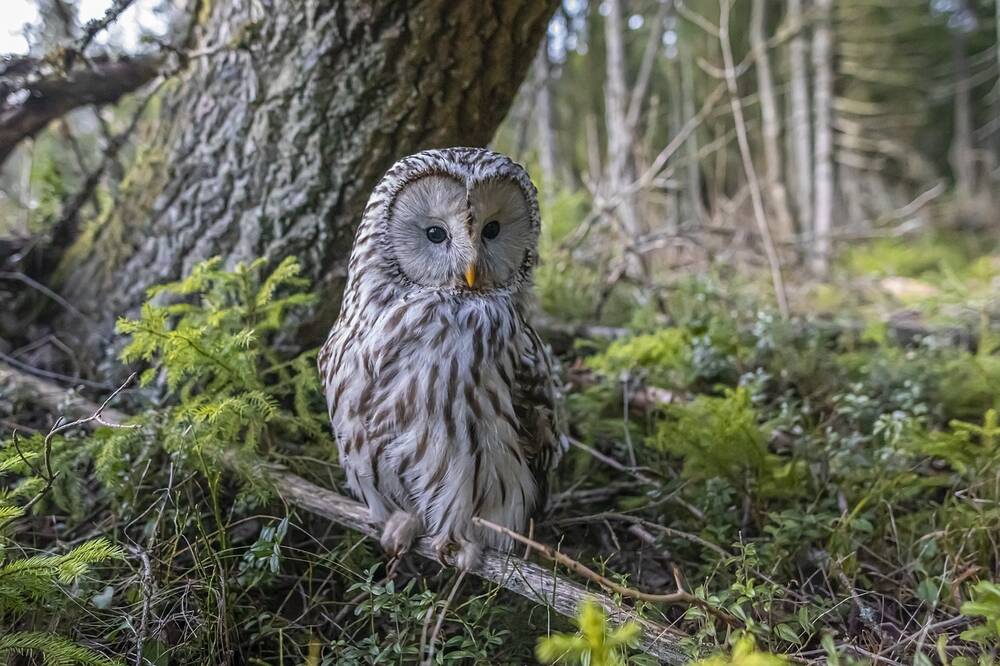
In the shadowy expanse of forest canopies, where moonlight filters through the dense leaves and the rustle of nocturnal creatures resonates, owls reign as enigmatic sentinels. These avian night hunters are not merely fascinating creatures of folklore and mystery; they are pivotal architects within their woodland realms. Often regarded as keystone species, owls embody a role that transcends their silent flight and haunting calls. Their presence intricately weaves the delicate balance of forest ecosystems, influencing biodiversity, prey populations, and even forest health. To understand the profound significance of owls is to appreciate a silent guardian whose ecological impact echoes far beyond its plumage.
The Ecological Significance of Owls as Apex Nocturnal Predators
Owls occupy a unique niche as apex nocturnal predators, orchestrating the regulation of various small mammal and insect populations. Their hunting efficiency and silent aerial prowess make them integral to controlling species such as rodents, voles, and other small vertebrates that proliferate rapidly under unchecked conditions. By curbing these populations, owls indirectly mitigate the risk of overgrazing and the devastating consequences of unchecked herbivory that can strip vital undergrowth and hinder forest regeneration.
This biological control mechanism is paramount in maintaining the equilibrium within the trophic levels of the forest. Unlike diurnal raptors, owls extend the predatory pressure into the nighttime hours, filling a temporal void that sustains a 24-hour regulatory check on prey ecosystems. Consequently, their hunting habits influence not only the prey base but also cascade to affect plant communities and other fauna dependent on these habitat conditions.
Diverse Species of Owls and Their Habitat Specializations
The forest is home to a diverse cast of owl species, each specialized and adapted to unique niches within varied woodland environments. From the imposing Great Horned Owl, with its remarkable adaptability across North American forests, to the diminutive Northern Saw-whet Owl that favors dense coniferous thickets—each carries distinct behavioral and ecological traits.
While some owls prefer mature forests with towering old-growth trees that offer nesting cavities and hunting perches, others thrive in mixed woodlands or even fragmented habitats with varied canopy structures. This diversity allows owls collectively to impact a broad spectrum of forest types, underscoring their role as versatile keystone species.
Owls as Indicators of Forest Health and Biodiversity
The presence and population dynamics of owls serve as vital bioindicators reflecting the health of forest ecosystems. Because they rely heavily on specific prey populations and habitat structures, fluctuations in owl numbers can signal underlying environmental changes, such as habitat degradation, pollution, or the encroachment of invasive species.
Conservationists and ecologists often monitor owl populations to gauge the integrity of forest habitats. A thriving owl population generally correlates with robust prey populations and healthy woodland composition, indicating a resilient and well-functioning ecosystem. Conversely, declines often prompt closer investigations into forest disturbances that may be less apparent through other metrics.
The Role of Owls in Nutrient Cycling and Forest Regeneration
Beyond their predatory function, owls contribute significantly to nutrient cycling within forest ecosystems. By consuming prey and later depositing regurgitated pellets composed of indigestible matter such as bones and fur, owls facilitate localized nutrient redistribution. These deposits enrich the forest floor, promoting microbial activity and soil fertility essential for seedling growth and forest regeneration.
Moreover, the selective predation exerted by owls can influence the composition of prey communities, favoring species whose feeding habits complement forest growth. This subtle interplay fosters an environment conducive to natural succession and the maintenance of ecological complexity.
Interactions Between Owls and Other Forest Species
Owls rarely exist in isolation; their ecological role is interwoven with myriad interactions among forest species. They share the skies and the woodlands with other raptors, and in some cases, compete for nesting sites and prey. Yet, this competition often promotes niche differentiation, encouraging biodiversity.
Additionally, their predation on mesopredators—smaller carnivores such as weasels or snakes—can have a trophic cascade effect, indirectly benefiting smaller prey species or impacting seed dispersal agents. This intricate web of biological interactions highlights owls’ integral placement within complex food webs.
Conservation Challenges and the Importance of Protecting Owl Habitats
Despite their ecological importance, many owl species face mounting threats from habitat fragmentation, deforestation, and human encroachment. The loss of old-growth trees imperative for nesting diminishes available breeding sites, while environmental pollutants and rodenticides accumulate through the food chain, posing grave risks.
Conserving owl populations demands preserving and restoring woodland habitats, implementing sustainable forestry practices, and fostering public awareness of their ecological roles. Protection efforts ensure that these majestic birds continue their indispensable stewardship over forest ecosystems, safeguarding the health and diversity of woods for generations to come.
Cultural Reverence and the Symbolic Legacy of Owls in Forest Lore
Throughout human history, owls have captivated imaginations as symbols of wisdom, mystery, and the supernatural. Their nocturnal vigilance and distinctive calls have seeded myriad myths across cultures, often intertwining their ecological presence with spiritual significance. This cultural reverence enhances the intrinsic value attributed to owls, shaping conservation narratives and fostering deeper connections between people and forests.
Recognizing owls’ dual legacy—as both ecological keystones and cultural icons—bolsters the impetus to protect them, enriching our understanding of the delicate symbiosis between humans and the natural world.
In sum, the role of owls in forest ecosystems is multifaceted and profound. Their predatory dominance, habitat specialization, and interactions with numerous species position them as indispensable architects of woodland biodiversity. As both stewards of the night and symbols of natural wisdom, the preservation of owls is paramount in sustaining the intricate, majestic harmony of the world’s forests.