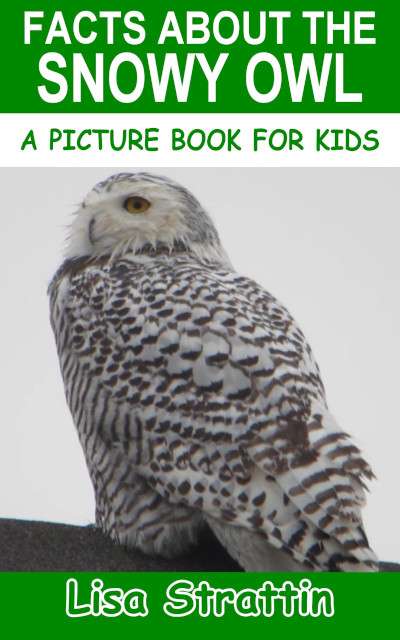
In the vast, windswept tundra where the sky kisses the earth, the snowy owl glides like a ghost of the Arctic—a silent sentinel draped in the alabaster hues of winter’s breath. This majestic creature, with its piercing golden eyes and feathered talons, is more than a mere bird; it is a living parable of resilience, a feathered philosopher whispering secrets of survival in a world teetering on the edge of ecological unraveling. Yet, how do we bridge the chasm between human indifference and the urgent need to protect this ethereal being? The answer lies not in cold statistics or bureaucratic decrees, but in the ancient and alchemical power of storytelling—a craft that can transform apathy into advocacy, and curiosity into conservation.
The Owl as a Mirror: Reflecting Our Own Fragility
To tell the story of the snowy owl is to hold up a mirror to humanity’s own vulnerabilities. This bird, with its nomadic wings, traverses landscapes that are vanishing beneath our feet—melting permafrost, shrinking habitats, the relentless march of climate change. Its existence is a barometer of the planet’s health, a living testament to the fragility of life in the face of human encroachment. When we weave tales of the owl’s struggle, we are not merely recounting the plight of a single species; we are narrating the unraveling of the world we all inhabit. The owl becomes a metaphor for our shared fate, its white plumage a stark contrast against the encroaching shadows of environmental neglect. Through storytelling, we invite people to see themselves in the owl’s story—not as conquerors, but as cohabitants of this fragile blue marble.
The Power of Personification: Giving the Owl a Voice
Storytelling thrives on emotion, and emotion is sparked when we humanize the non-human. The snowy owl is not just a creature of science; it is a character in a grand narrative, a protagonist with desires, fears, and a voice that must be heard. Imagine a tale where the owl speaks, its golden eyes reflecting the wisdom of centuries. It tells of the first time it took flight, the thrill of the hunt, the terror of a landscape that no longer recognizes it. By personifying the owl, we strip away its anonymity and forge a connection that transcends species. This is not anthropomorphism for the sake of sentimentality, but a deliberate act of empathy—an acknowledgment that the owl’s story is intertwined with our own. When people hear the owl’s voice, they no longer see it as a distant, abstract concept; it becomes a neighbor, a friend, a being deserving of protection.
The owl’s voice need not be literal. It can be the whisper of the wind through the tundra, the crunch of snow beneath unseen talons, the eerie call that echoes across the frozen expanse. These sensory details immerse the listener in the owl’s world, making the abstract tangible. The more vivid the imagery, the more indelible the story becomes in the hearts and minds of those who hear it.
The Journey as Metaphor: Mapping Conservation Through Narrative
Every great story is a journey, and the tale of the snowy owl is no exception. Its migration is not merely a physical odyssey but a metaphor for the challenges we all face in protecting our planet. The owl’s flight from the Arctic to the northern forests and back again mirrors our own struggles to adapt, to survive, to find balance in a changing world. By framing the owl’s journey as a narrative arc—complete with trials, triumphs, and setbacks—we create a framework that resonates with universal human experiences. The owl’s story becomes a roadmap for conservation, a call to action that is both personal and profound.
Consider the owl’s arrival in a new territory, where it must navigate unfamiliar landscapes and compete for resources. This mirrors the human experience of confronting climate change, where old ways of life are no longer viable, and new solutions must be forged. The owl’s resilience in the face of adversity becomes a beacon of hope, a reminder that adaptation is possible. When we tell this story, we are not just asking people to care about an owl; we are inviting them to embark on a journey of their own—a journey toward stewardship, toward a future where humans and wildlife coexist in harmony.
The Villain in the Tale: Humanity’s Role in the Owl’s Plight
No compelling story is complete without a villain, and in the tale of the snowy owl, the antagonist is not a mythical beast or a malevolent force, but the collective actions of humanity. The owl’s decline is not the work of a single villain but the cumulative result of our choices—industrialization, deforestation, the unchecked burning of fossil fuels. By framing these actions as the antagonist in the owl’s story, we create a narrative that is both honest and urgent. The villain is not an abstract concept; it is the coal plant belching smoke into the sky, the bulldozer clearing the last patch of wilderness, the plastic bottle floating in the ocean where the owl once hunted.
Yet, the beauty of storytelling lies in its ability to transform even the darkest tales into beacons of hope. The villain in the owl’s story is not an immutable force; it is a challenge to be overcome. By acknowledging humanity’s role in the owl’s plight, we empower people to see themselves as part of the solution. The story becomes a call to arms, a rallying cry for change. When people recognize their own complicity in the owl’s struggle, they are more likely to take action—not out of guilt, but out of a desire to rewrite the ending of the tale.
The Hero’s Journey: Empowering Communities Through Story
Every great conservation effort begins with a hero, and in the story of the snowy owl, the hero is not a single individual but the communities that rise to protect it. These heroes are the Indigenous peoples who have safeguarded the tundra for generations, the scientists who dedicate their lives to studying the owl’s habits, the activists who lobby for stronger environmental protections. By highlighting these real-life heroes in our storytelling, we create a narrative of empowerment—a reminder that change is possible when people come together.
The hero’s journey is not a solitary one. It is a collective endeavor, a tapestry of voices and actions that weave together to form a movement. When we tell the story of the snowy owl, we must also tell the stories of the people who are fighting for its survival. These stories humanize the cause, making it relatable and inspiring. They show that conservation is not an abstract ideal but a tangible, achievable goal. When people see themselves as part of this larger narrative, they are more likely to take action—whether it’s reducing their carbon footprint, supporting conservation organizations, or advocating for policy changes.
The Legacy of the Owl: A Story That Outlives Us
The most powerful stories are those that endure, that are passed down from generation to generation. The tale of the snowy owl is not just a story for today; it is a legacy for the future. By telling this story with passion and purpose, we ensure that the owl’s struggle is not forgotten. We create a narrative that will inspire future generations to protect not just the snowy owl, but all the creatures that share our planet.
The owl’s white feathers, once a symbol of purity and resilience, can become a symbol of hope—a reminder that even in the face of overwhelming odds, life can endure. When we tell the owl’s story, we are not just advocating for a single species; we are advocating for the soul of the planet. We are saying, with every word, that the natural world is not a resource to be exploited but a story to be cherished. And in that story, every creature—from the smallest insect to the mightiest owl—has a role to play.