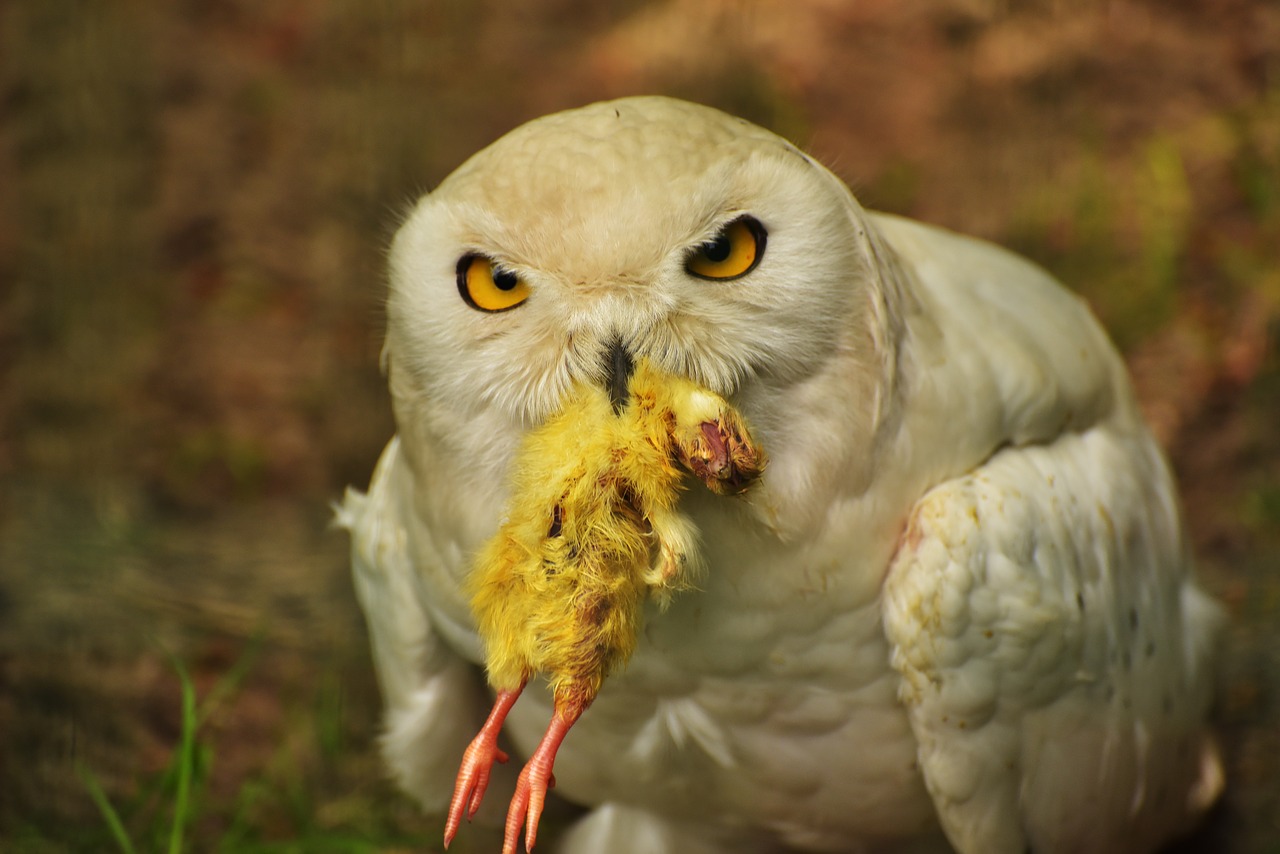
Few creatures evoke the stark beauty and mysterious allure of the Arctic quite like the snowy owl. With its ghostly white plumage and piercing golden eyes, this magnificent bird has captivated observers for centuries. Yet, beyond its ethereal appearance lies a fascinating survival story intricately tied to its diet. What exactly do snowy owls feast on amidst the unforgiving tundra? This question unlocks a deeper understanding of their ecological role and the raw, rhythmic pulse of Arctic life.
The Enigmatic Life of the Snowy Owl
To appreciate the dietary habits of the snowy owl, one must first grasp its place within the Arctic ecosystem. These owls thrive in some of the harshest climatic conditions on Earth. They range over expansive treeless plains, where the ground is often a mosaic of snow, ice, rocks, and sparse tundra vegetation. This unforgiving landscape presents both challenges and unique opportunities. Their ability to endure and flourish here speaks volumes about their adaptability, especially when it comes to food sourcing. Snowy owls are not simply passive creatures of the Arctic; they are consummate hunters, finely tuned by evolution to exploit the seasonal richness of their realm.
Primary Prey: The Story of Lemmings
No discussion of the snowy owl diet would be complete without highlighting the humble yet pivotal lemming. Lemmings are small, voracious rodents whose population ebbs and flows in cyclical patterns, creating a natural rhythm that shapes the survival strategies of many Arctic animals. Snowy owls, in particular, demonstrate an almost symbiotic relationship with lemming populations. During years when lemmings abound, snowy owls exhibit remarkable reproductive success, nesting prolifically and raising large broods. Their hunting techniques are astonishingly efficient: silent flight, razor-sharp talons, and an acute sense of hearing allow these owls to detect and ambush lemmings beneath layers of snow or brush. This heavy reliance on lemmings underscores the delicate interconnectedness of Arctic life, where predator and prey engage in a relentless, intricate dance.
A Flexible Diet: Beyond the Lemming
While lemmings are often the dietary cornerstone, snowy owls exhibit remarkable opportunism that belies any notion of dietary rigidity. When lemming populations dwindle, these owls swiftly shift their focus to other prey species. Their menu can include Arctic hares, voles, and a wide assortment of birds such as ducks, ptarmigans, and even small shorebirds. This dietary plasticity hints at a deep evolutionary wisdom; by expanding their prey base, snowy owls ensure survival across fluctuating environmental conditions and through the lean cycles of prey scarcity. This adaptability is a testament to the owl’s ecological resilience and an elegant solution to the unpredictability of the Arctic tundra.
Hunting Strategies and Adaptations
The snowy owl’s predatory prowess unfolds through a combination of specialized adaptations and clever hunting strategies. Unlike many other owls that rely on deep forest cover, snowy owls hunt openly across the tundra, often during the bright Arctic summer days when the sun barely sets. Their eyesight is unparalleled, allowing them to scan vast stretches of barren land. Furthermore, their keen auditory capabilities enable detection of prey hidden beneath snow or vegetation. The bird’s powerful wings, broad and steady, provide silent flight that is critical when approaching unsuspecting prey. When a target is identified, a swift and decisive pounce seals the fate of the unfortunate quarry. Such meticulous precision is not only awe-inspiring but reveals an intimate ecological harmony: a predator perfectly synchronized with its environment.
Seasonal Shifts in Diet and Behavior
The rhythm of life in the Arctic is marked by dramatic seasonal shifts, and the snowy owl’s diet tracks these changes with remarkable precision. During winter months, when prey is scarcer and dispersed, these owls often migrate southward, where food is more available. These migrations themselves are fascinating, as they reflect a balance between the rigorous demands of the Arctic and survival instincts honed over millennia. In breeding season, the focus narrows almost exclusively to the abundant lemmings, which not only provide sustenance but also ensure enough nourishment for hungry chicks. Outside the breeding window, the winter diet becomes more eclectic, sometimes including carrion and insects, displaying a surprising adaptability when push comes to shove.
Ecological Significance of the Snowy Owl’s Diet
The feeding habits of the snowy owl ripple far beyond mere sustenance; they are a cog in the intricate machine of the Arctic ecosystem. By regulating populations of rodents and other small mammals, snowy owls contribute to maintaining a balance that prevents overgrazing and subsequent degradation of tundra vegetation. Their predation influences the distribution and behavior of prey species, which in turn affects broader ecological processes. Moreover, snowy owls serve as indicators of environmental health: booming owl populations often signal abundant prey and balanced ecosystems, while declines warn of underlying issues such as climate fluctuations or habitat disruptions. Thus, the snowy owl diet serves as both a window into Arctic biodiversity and a barometer of ecological stability.
The Fascination with Snowy Owl Diets: A Window to the Wild
It is perhaps human curiosity that most fascinates when it comes to the snowy owl and its diet. Observers marvel not just at what they eat, but at how these regal birds epitomize survival against icy odds. Their diet tells stories of scarcity and abundance, hardship and adaptation, hunting prowess and ecological eloquence. This food chain narrative invites us to contemplate the delicate balances that sustain some of the planet’s most extreme environments. It reminds us of nature’s poetry — where every meal is both a hard-won triumph and a whispered testament to the resilience of life amid the Arctic’s silent vastness.
In unearthing the secrets of the snowy owl’s diet, we gain more than knowledge; we grasp a fragment of the Arctic’s mystique and the enduring saga of survival etched beneath the polar sky.