The symphony of rustling leaves and the haunting trill of an owl’s call once painted a serene portrait of nature’s balance. Today, that portrait is fracturing under the weight of climate change, and with it, the delicate ecosystems that sustain owl tourism—a niche yet profoundly evocative form of wildlife tourism. As temperatures rise and habitats shift, the once-predictable rhythms of owl populations are being rewritten, forcing both conservationists and travelers to reimagine their relationship with these nocturnal guardians of the wild. This isn’t merely an ecological crisis; it’s a cultural reckoning, one that demands we ask: what happens when the creatures we’ve romanticized become strangers in their own lands?
The Snowy Owl’s Arctic Adaptations: How They Survive Extreme Cold
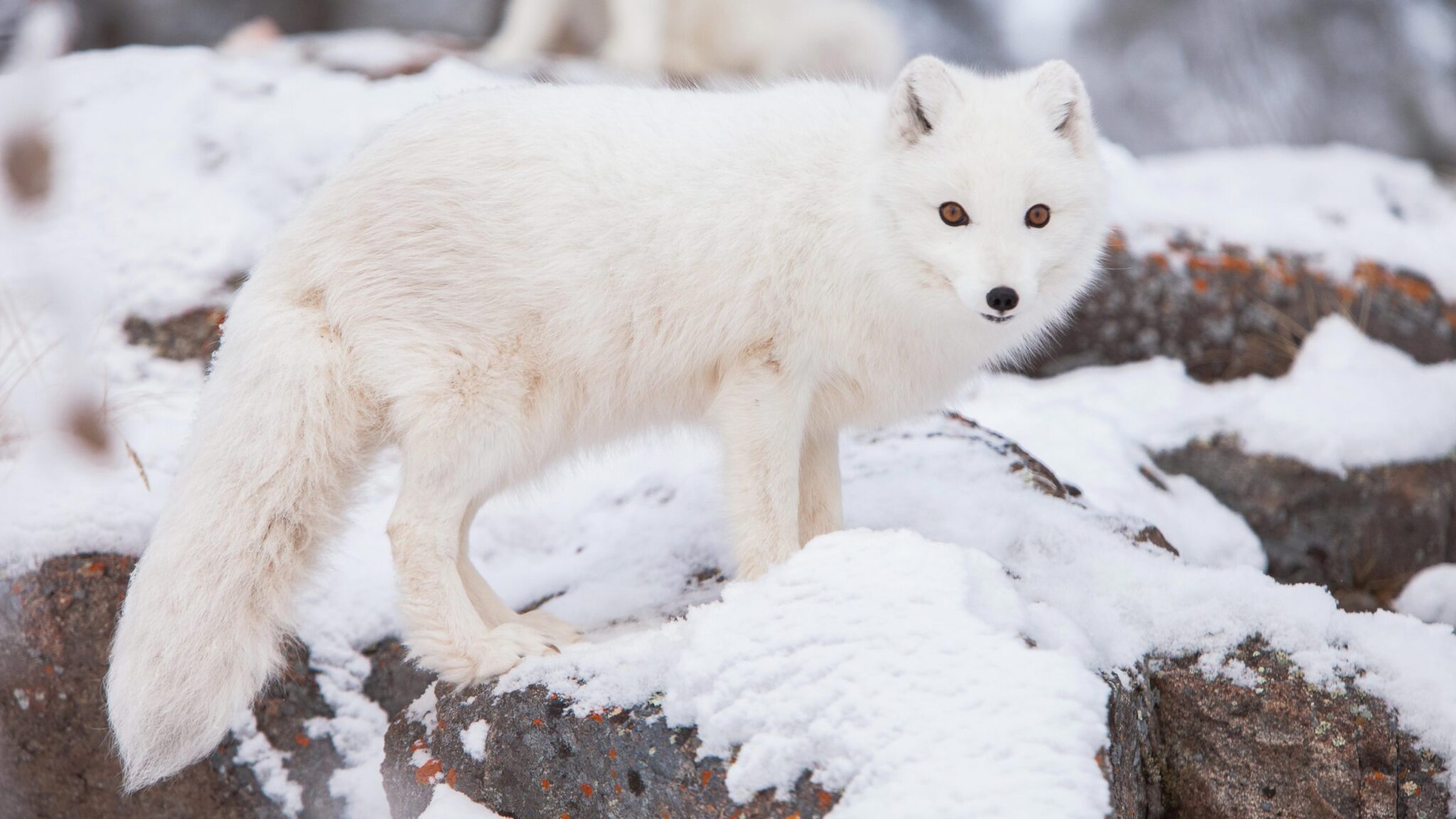
In the vast, crystalline wilderness of the Arctic, where daylight fades into an endless twilight and the wind howls like forgotten spirits across the frozen expanse, the snowy owl reigns as an ethereal sentinel. Cloaked in pristine white feathers, this enigmatic bird is not merely a creature of the cold, but a symbol of resilience, a living embodiment of adaptation honed to an impeccable edge. Its existence is a masterclass in survival against an unforgiving landscape—a dance with the extreme cold that few other beings can rival. To understand the snowy owl’s Arctic adaptations is to peer into nature’s workshop, where evolution carves marvels from frost and shadow.
The Public Debate: Should We Kill Barred Owls to Save Spotted Owls?
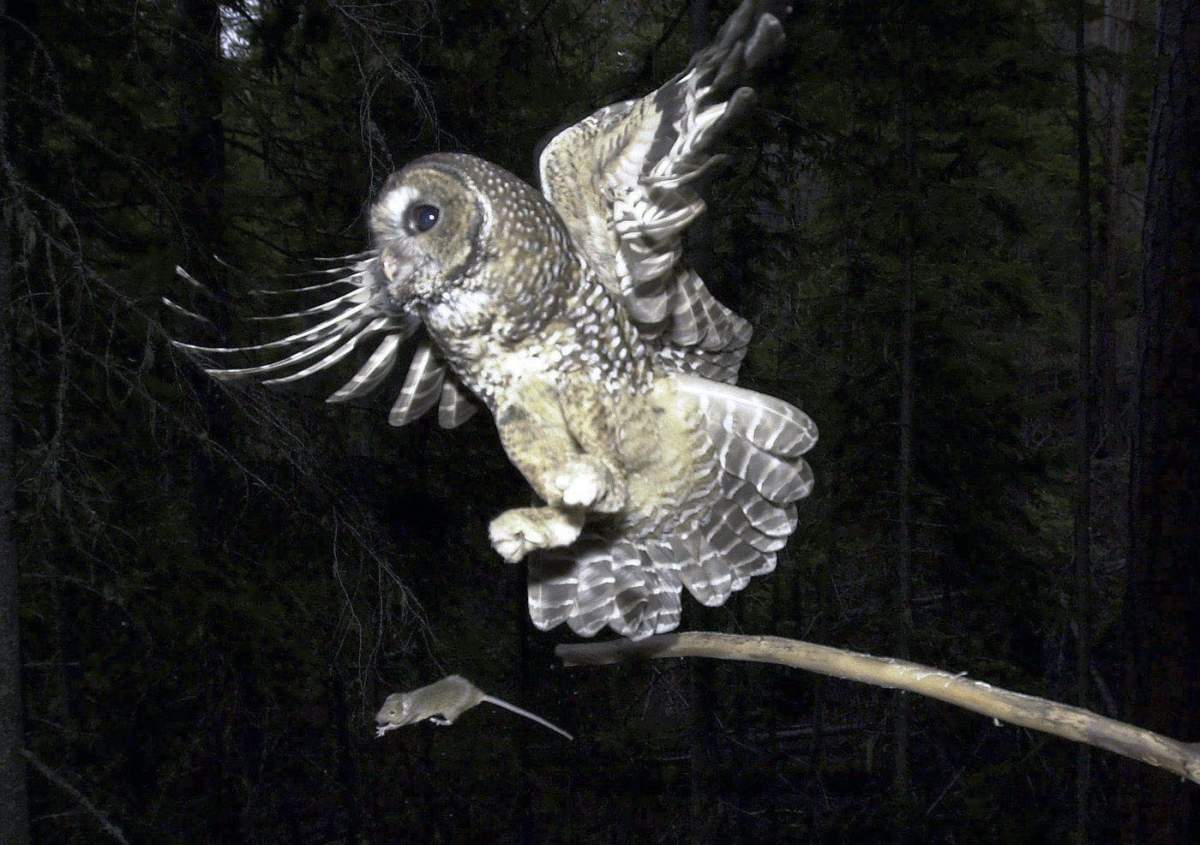
In the dense, mist-shrouded forests of the American West Coast, a quiet but fierce struggle is unfolding—one that pits two remarkable bird species against each other in a battle that challenges our ethical boundaries and conservation priorities. The West Coast spotted owl, a symbol of old-growth forest vitality, faces a dire threat from the barred owl, an invasive cousin whose expanding territory jeopardizes the survival of this vulnerable species. This conflict has sparked an intense public debate revolving around a profoundly unsettling question: Should we kill barred owls to save spotted owls? This dilemma invites us to reconsider our understanding of nature, stewardship, and what it truly means to protect biodiversity in an ever-changing world.
How Urbanization Is Affecting Spotted Owl Habitats in the Pacific Northwest
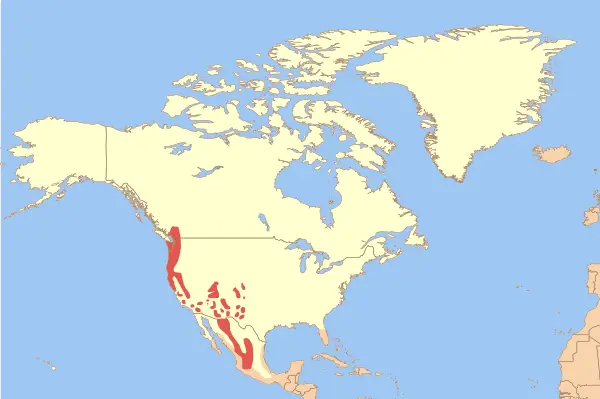
The Pacific Northwest’s ancient forests, where mist clings to towering conifers like a shroud, have long been the domain of the spotted owl—a creature of twilight, of quiet, of secrets woven into the fabric of the land. Yet, as cities sprawl like inkblots across the landscape, this enigmatic bird finds itself caught in the crossfire of progress. Urbanization, that relentless tide of concrete and steel, is not merely encroaching upon the spotted owl’s habitat; it is unraveling the delicate tapestry of an ecosystem that has thrived for millennia. The owl, a silent sentinel of the old-growth woods, is now a poignant symbol of what we stand to lose when nature’s boundaries are erased by human ambition.
Owl Conservation Posters: Spreading Awareness in Schools

Have you ever wondered why owls, those enigmatic nocturnal sentinels of the wild, seem to be vanishing from our skies? Their silent wings, once a common sight across woodlands and farmlands, now grow rarer with each passing year. The answer lies not in some grand conspiracy, but in the quiet erosion of their habitats and the creeping shadow of human indifference. Yet, there is hope—one that begins with the laughter and curiosity of schoolchildren, armed with nothing more than paper, crayons, and a shared sense of purpose. Owl conservation posters, when crafted with care, can transform classrooms into hubs of environmental advocacy, turning young minds into guardians of the night.
How Soil Degradation Is Affecting Spotted Owl Nesting Success
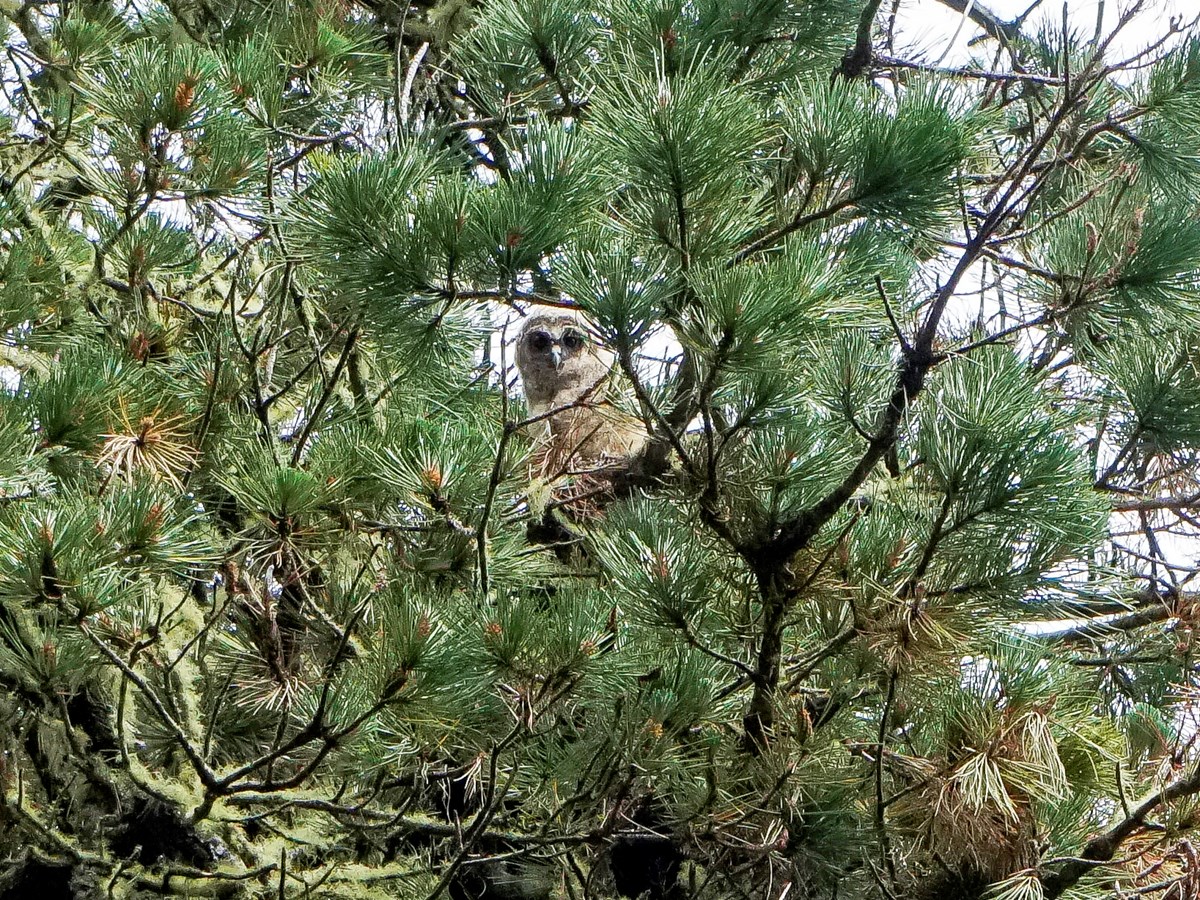
What if the silent, ancient guardians of the forest—those with eyes like molten gold and feathers like the dusk itself—were quietly losing their nurseries to the slow, creeping rot beneath their talons? The spotted owl, a creature of mythic resilience and ecological significance, is facing an insidious threat that doesn’t roar like wildfire or howl like chainsaws. It’s the quiet, relentless degradation of the soil beneath its nests, a crisis that whispers rather than shouts, yet carries consequences as vast as the old-growth forests it calls home.
Owl Conservation in Polar Regions: The Impact of Melting Ice
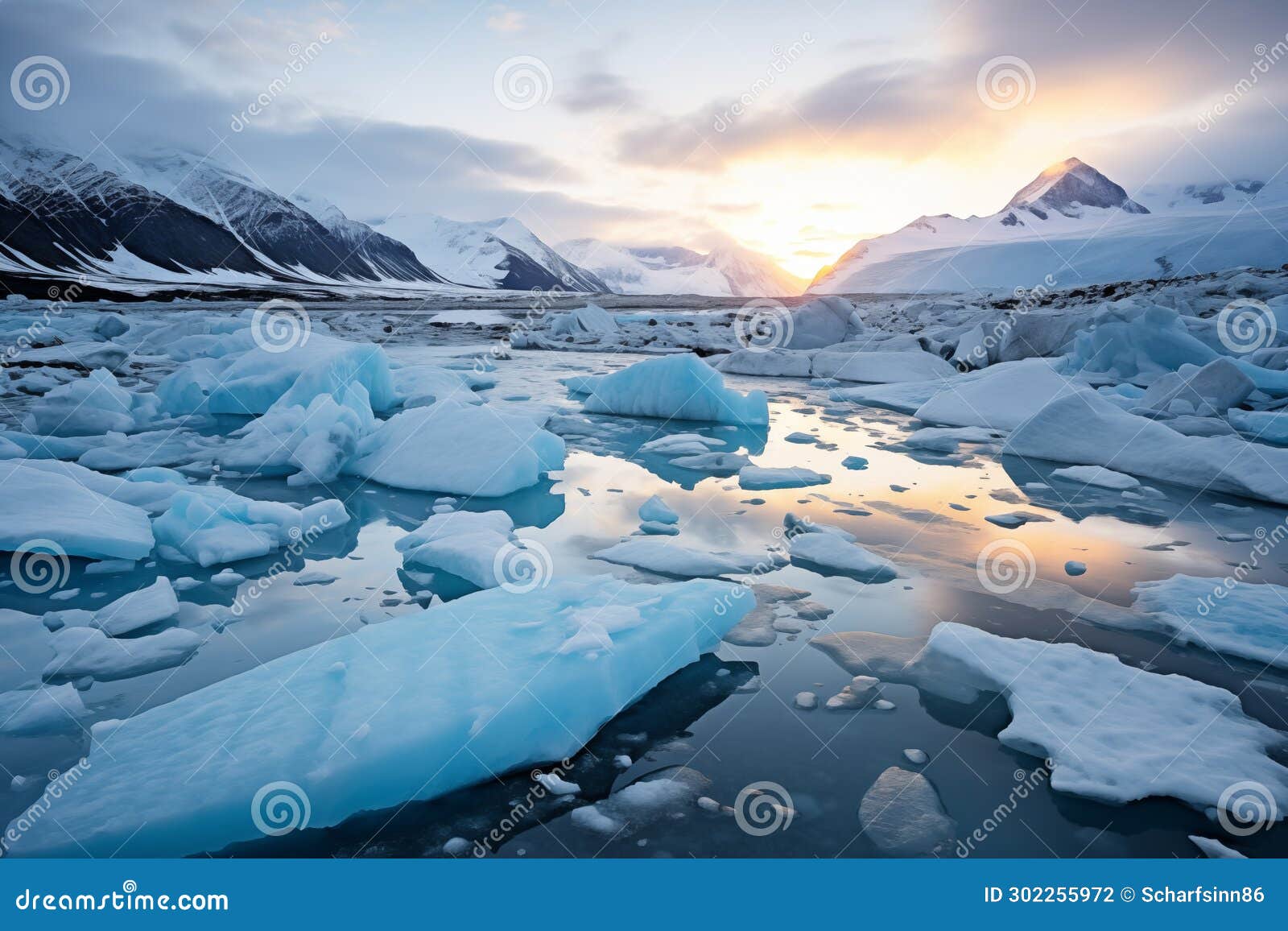
In the vast, frozen tapestries of the polar regions, where ice sculptures the horizon like ancient cathedrals of gleaming crystal, a silent sentinel glides through the night— the owl. These enigmatic creatures, draped in feathers as soft as whispers, are more than mere inhabitants of the Arctic and Antarctic’s ephemeral wilderness. They are vital barometers of ecological health, intricate threads woven into a fragile ecosystem now trembling on the edge of transformation. The melting polar ice, a metaphorical unraveling of the natural world’s silk thread, casts a profound shadow over owl conservation. As these icy realms diminish, the survival of the owls becomes an emblematic struggle against a changing planet.
How Melting Permafrost Is Changing Snowy Owl Nesting Behavior
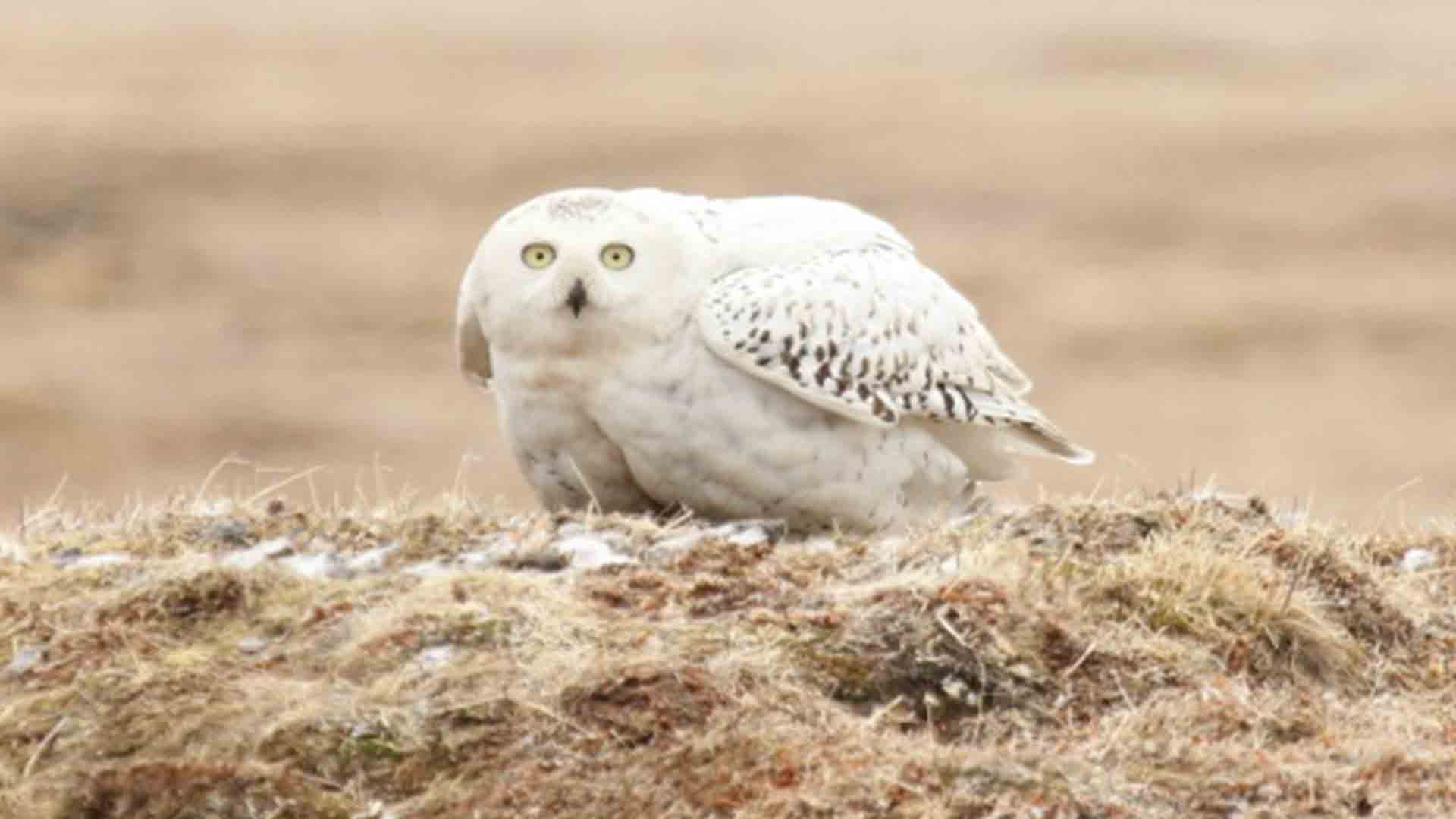
Across the vast, frozen tundras where silence reigns and icy winds sweep across the barren landscape, a subtle yet profound transformation is unfolding. The Arctic Snowy Owl, an iconic sentinel of this fragile ecosystem, has long fascinated naturalists and wildlife enthusiasts. Their hauntingly beautiful nesting rituals, set against pristine snowy backdrops, have captured our imaginations. Yet, beneath this serene tableau lies an unsettling shift—melting permafrost is rewriting the rules of their nesting behavior. This phenomenon invites us not only to observe but to deeply contemplate how climatic forces ripple through nature’s intricate web, altering ancient patterns with sobering consequences.
Barred Owl Competition: The Primary Threat to Spotted Owl Survival
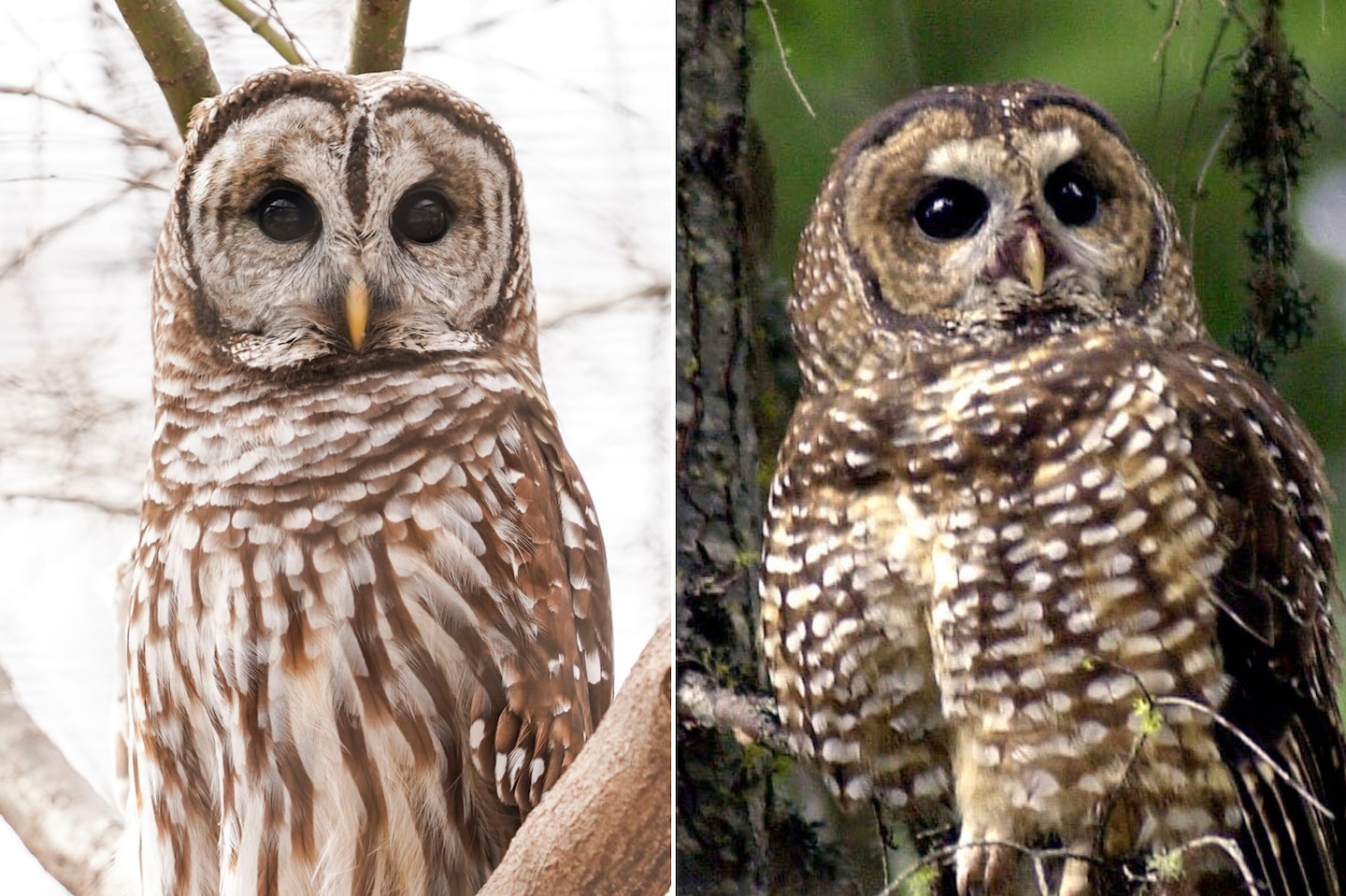
In the dense, shadowy cathedrals of the Pacific Northwest’s ancient forests, a silent battle unfolds. It is a contest as old as time itself—a struggle for survival played out beneath towering canopies and cloaked in twilight. Here, two owls engage in a duel not of claws and beaks alone, but of habitat, existence, and ecological dominance. The barred owl, a formidable interloper, has become an unyielding specter haunting the survival prospects of the spotted owl. To comprehend this avian rivalry is to enter a world where nature’s delicate balances teeter on the edge, and where the very essence of conservation is tested.
Warming Arctic Temperatures: How They’re Forcing Snowy Owls to Migrate South
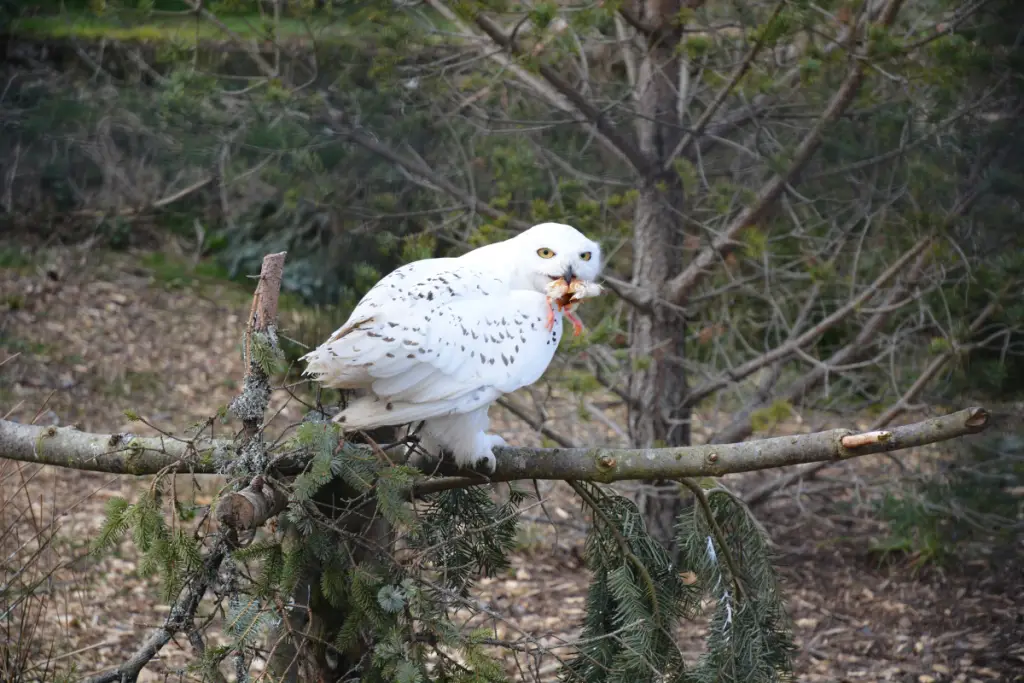
The Arctic, a realm of ice and silence, is screaming. Not with a voice we can hear, but with a shift so profound it’s rewriting the rules of survival for its most iconic inhabitants. The snowy owl, that ghostly sentinel of the tundra, is no longer a permanent fixture of its frozen kingdom. Instead, it’s becoming a reluctant wanderer, pushed southward by the relentless march of warming temperatures. This isn’t just a migration—it’s a desperate exodus, a sign that the Arctic’s heartbeat is faltering. And yet, in this crisis, there’s a strange allure, a fascination that lingers like the owl’s own silent flight.