In the vast, interconnected web of the digital age, where a single click can illuminate distant corners of the world, social media has emerged as an unlikely but powerful ally in the fight to preserve Earth’s most enigmatic creatures. Among them, the snowy owl—a creature of Arctic mystique, a silent sentinel of the tundra—has found an unexpected champion in the form of online platforms. These digital stages, often criticized for fostering division or triviality, now serve as vital megaphones for conservation, transforming passive observers into passionate advocates. The role of social media in raising awareness about snowy owl conservation is not merely supplementary; it is revolutionary, reshaping how we perceive, protect, and perpetuate the legacy of these magnificent birds.
The Digital Dawn: How Social Media Illuminates the Plight of Snowy Owls
For centuries, the snowy owl remained a creature of myth and distance, its presence confined to the remote expanses of the Arctic and subarctic regions. To the average person, these birds were distant specters, glimpsed only in nature documentaries or the occasional viral video of an owl perched improbably on a city street sign. Social media shattered this veil of obscurity, casting the snowy owl into the spotlight with a luminosity that demands attention. Platforms like Instagram, Twitter, and TikTok have become digital galleries where high-resolution images of snowy owls in flight or hunched against the wind evoke awe and curiosity. A single photograph, shared across millions of feeds, can spark a conversation that transcends borders, uniting strangers in a shared appreciation for these avian wonders.
But the power of social media extends beyond mere visual spectacle. It is the narrative that accompanies these images that truly transforms passive viewers into engaged conservationists. Captions that weave together science and storytelling, infographics that distill complex ecological data into digestible insights, and live streams from researchers in the field—all these elements converge to create a tapestry of awareness. The snowy owl is no longer a distant abstraction; it is a living, breathing entity with a story that unfolds in real time. Social media has given it a voice, and in doing so, it has given the public a reason to listen.
From Scroll to Action: The Alchemy of Awareness into Advocacy
The journey from passive scrolling to active conservation is not a linear path but a labyrinth of emotional triggers, intellectual revelations, and social reinforcement. Social media excels at this alchemy, converting fleeting moments of engagement into sustained commitment. Consider the phenomenon of “owl tourism,” where communities once indifferent to the plight of snowy owls now organize guided expeditions to observe them in their natural habitats. These excursions are not merely recreational; they are acts of solidarity, fueled by the narratives shared online. Tourists return home not just with photographs, but with a newfound sense of responsibility to protect the environments they’ve witnessed.
Moreover, social media has democratized advocacy. In the past, conservation efforts were often the domain of elite institutions or wealthy donors, their messages filtered through gatekeepers who decided what was worthy of attention. Today, anyone with an internet connection can amplify the call to protect snowy owls. Grassroots campaigns, crowdfunding initiatives, and viral challenges have emerged as formidable tools in the conservation arsenal. A teenager in Tokyo might share a post about snowy owl migration patterns, while a retiree in Reykjavik organizes a local cleanup of coastal habitats critical to their survival. The barriers to entry have crumbled, and the result is a groundswell of collective action that is as diverse as it is determined.
The Double-Edged Lens: Challenges and Ethical Quandaries in Digital Conservation
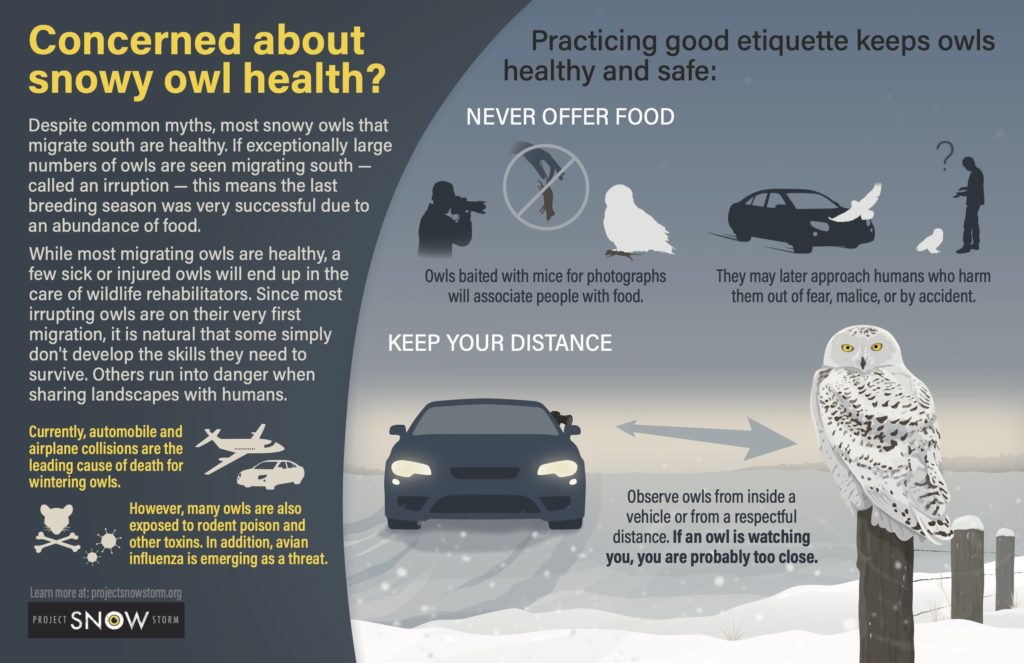
Yet, the same platforms that illuminate the plight of snowy owls also cast long shadows. The digital age is not without its paradoxes, and social media is no exception. The very visibility that has elevated the snowy owl to iconic status can also expose it to harm. The phenomenon of “owl selfies” has surged, with well-meaning but misguided individuals approaching these birds in the wild, disrupting their natural behaviors and subjecting them to stress. In some cases, the pursuit of the perfect photograph has led to tragic consequences, as owls are inadvertently harmed or displaced from their habitats.
There is also the insidious spread of misinformation, where viral posts touting unproven remedies or conspiracy theories about owl conservation can muddy the waters of public understanding. The challenge, then, is to harness the power of social media without falling prey to its pitfalls. This requires a delicate balance—one that prioritizes education over sensationalism, empathy over exploitation, and accuracy over virality. Conservationists must become not just storytellers, but educators, guiding the public through the complexities of ecological science while fostering a culture of respect for wildlife.
Community as Catalyst: The Rise of Digital Conservation Networks
The most transformative aspect of social media’s role in snowy owl conservation may well be the communities it has fostered. Online groups dedicated to birdwatching, wildlife photography, and ecological advocacy have blossomed into vibrant ecosystems of shared knowledge and mutual support. These digital networks transcend geographical boundaries, allowing researchers in Canada to collaborate with citizen scientists in Europe, or for a farmer in Alaska to exchange tips with a student in Norway on how to create owl-friendly habitats on agricultural land.
These communities are not mere aggregations of like-minded individuals; they are incubators of innovation. Crowdsourced data collection, where enthusiasts log sightings and behaviors of snowy owls, has become an invaluable resource for researchers. Platforms like eBird and iNaturalist have transformed amateur naturalists into citizen scientists, their contributions filling critical gaps in our understanding of owl migration patterns and habitat use. The result is a synergy between professional and amateur efforts, a testament to the power of collective intelligence in the digital age.
The Future Flies on Digital Wings: Envisioning a New Era of Conservation
As we stand on the precipice of a new era in wildlife conservation, the role of social media is only set to expand. Emerging technologies like augmented reality and virtual reality offer tantalizing possibilities for immersive conservation education. Imagine donning a headset and “flying” alongside a snowy owl as it traverses the Arctic tundra, witnessing the challenges it faces firsthand. Such experiences could forge emotional connections that traditional media cannot, deepening the public’s commitment to protecting these birds.
There is also the potential for social media to become a bridge between conservation and policy. As public awareness grows, so too does the pressure on governments and corporations to enact meaningful change. Campaigns that leverage the viral nature of social media can compel policymakers to prioritize habitat protection, reduce pesticide use, and address the impacts of climate change—all critical factors in the survival of snowy owls. The digital realm is not just a tool for raising awareness; it is a catalyst for systemic transformation.
The snowy owl, with its piercing gaze and silent flight, has long symbolized resilience and adaptability. In the digital age, it has found a new ally in social media—a force that can amplify its voice, protect its future, and inspire a generation to see the world through a lens of stewardship. The journey is far from over, but the path is illuminated, one share, one like, one act of advocacy at a time.