
In the quiet hush of twilight, where the world slows to a whisper, a silent guardian takes flight. The owl—feathered sentinel of the night—does not merely observe the dance of life below. It orchestrates it. With eyes like twin moons reflecting ancient wisdom, it navigates the dark not as a void, but as a canvas of opportunity. This nocturnal artist, draped in earth-toned elegance, is not just a predator; it is an architect of ecological harmony, a living metaphor for the delicate balance between consumption and conservation. Its presence is not a threat to biodiversity—it is its lifeline. To understand ecosystem productivity, one must first understand the owl: a creature whose very existence is a testament to the power of restraint, precision, and ecological reciprocity.
The Role of Habitat Restoration in Spotted Owl Recovery
Can a single patch of rejuvenated forest whisper the secrets of survival to a species teetering on the brink? Imagine the Spotted Owl pausing amid ancient trees, its fate intertwined with the silent work of habitat restoration. But how does breathing new life into damaged woodlands truly chart a course for the owl’s resurgence? This tale of recovery teeters delicately between ecological delicacy and the relentless pressures of modernity—a narrative powered by the profound art and science of habitat restoration.
Owls as Climate Indicators: What Their Behavior Tells Us About the Planet

The night whispers secrets only the wise can hear. Among the shadows, owls glide—silent sentinels of the twilight realm—observing, reacting, and adapting to the ever-shifting rhythms of the natural world. These enigmatic birds, with their piercing gaze and feathered mystique, are far more than mere nocturnal predators. They are living barometers, their behaviors a cryptic language that reveals the health of our planet in ways both subtle and profound. As the Earth groans under the weight of climate change, owls stand as sentinels of ecological equilibrium, their presence or absence, their hunting patterns, and their reproductive success painting a vivid portrait of environmental upheaval.
Spotted Owl Conservation Success Stories: What’s Working and Why
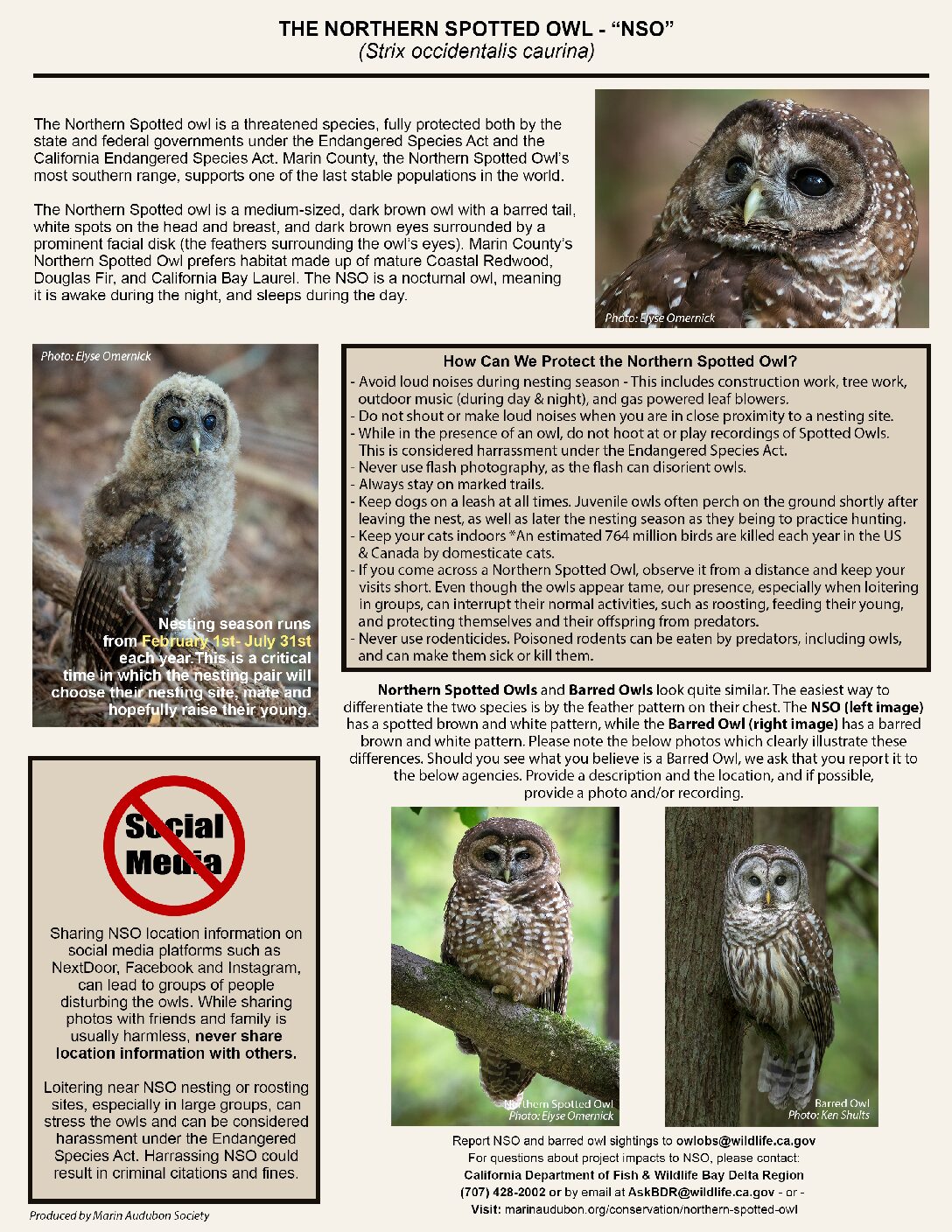
In the dense, misty forests of the Pacific Northwest, the elusive Northern Spotted Owl has long stood as a sentinel species — a symbol of wilderness integrity and biodiversity. For decades, conservationists have grappled with the challenges of preserving this enigmatic bird, whose survival intertwines with the fate of old-growth forests. Yet in recent years, a mosaic of success stories has begun to emerge, illuminating pathways toward effective protection strategies. These narratives are not merely tales of hope; they represent a confluence of science, policy, and community engagement that provide invaluable lessons for conservation at large.
Barred Owl Removal: The Data So Far—Does It Actually Help Spotted Owls?
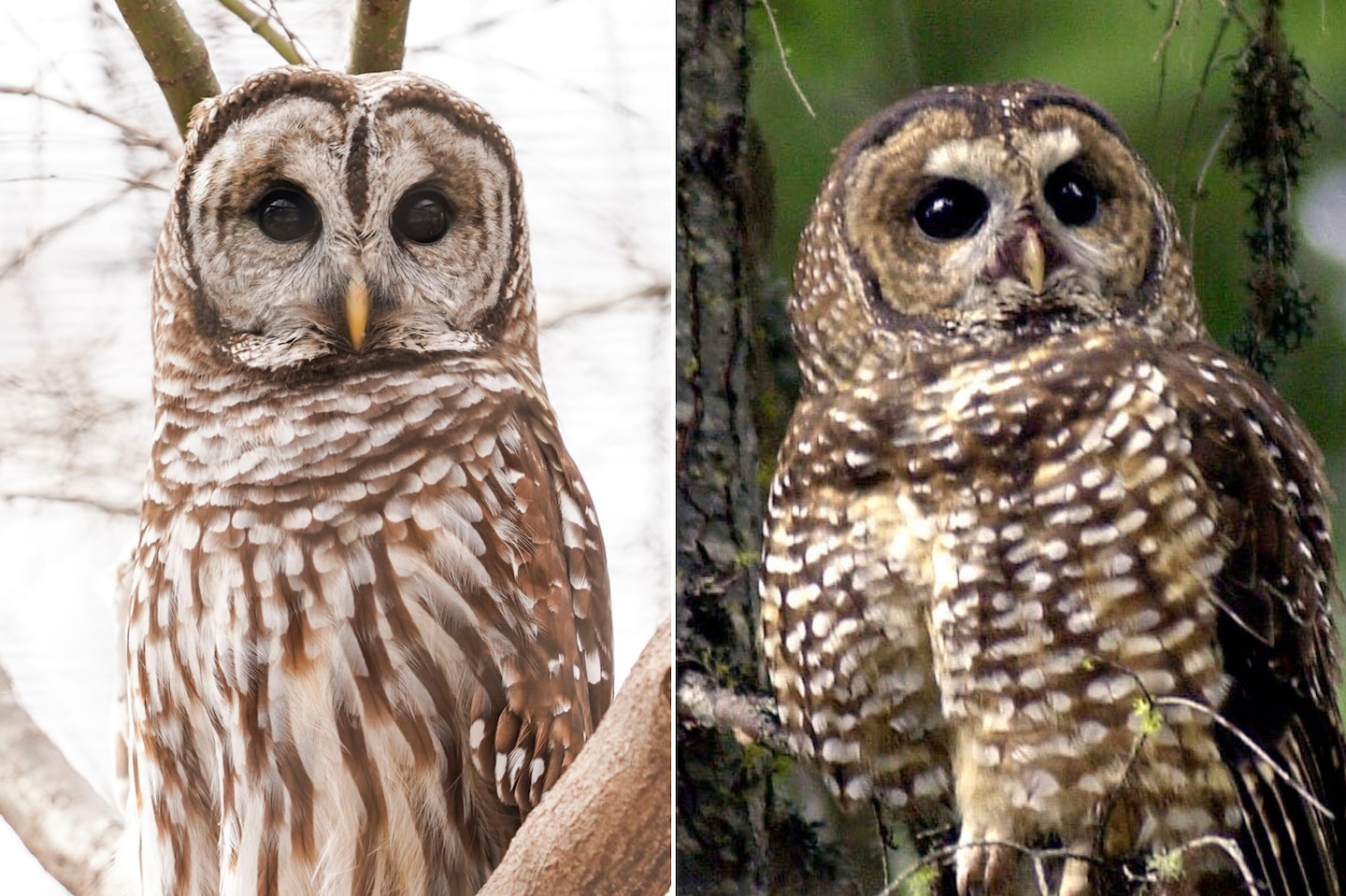
The barred owl, a creature of dusk and shadow, has become an unlikely antagonist in the quiet drama of the Pacific Northwest’s ancient forests. With piercing yellow eyes and a voice that echoes like a barking dog through the twilight, this adaptable raptor has expanded its range with unsettling efficiency, encroaching upon the territory of its beleaguered cousin—the northern spotted owl. In response, wildlife managers have embarked on a controversial campaign: the culling of 450,000 barred owls over the next three decades. The goal is clear: to rescue the spotted owl from the brink of extinction. But as the first data trickles in, a pressing question lingers in the misty canopy—does this drastic measure actually work?
How to Advocate for Spotted Owl Protection in Your Community

In the shadowy cathedrals of the ancient forests, where towering pines whisper secrets of centuries past, lives a creature as enigmatic as a fading myth — the Spotted Owl. This elusive sentinel of the woods, cloaked in mottled feathers, carries the fragile heartbeat of an ecosystem teetering on the brink. Advocating for the protection of the Spotted Owl is not merely an act of environmental stewardship; it is a profound commitment to preserving the intricate web of life that sustains us all. To champion this noble cause within your community is to become a guardian of wilderness, a sentinel of balance, and a storyteller of nature’s delicate harmony. Here is how you can weave your voice into this vital narrative.
The Barred Owl’s Reproductive Success: Why Are They So Prolific?
The barred owl, with its haunting hoots echoing through North American forests, has long fascinated ornithologists and nature enthusiasts alike. Beyond its mysterious presence, one aspect that commands attention is its remarkable reproductive success. What fuels the productivity of this striking raptor? Delving into the intricacies of its breeding habits, environmental adaptability, and parental strategies reveals an awe-inspiring narrative of survival and fecundity. Understanding why barred owls are so prolific offers not only insight into their life history but also illuminates broader ecological dynamics.
The Role of Big Data in Understanding Snowy Owl Habitats
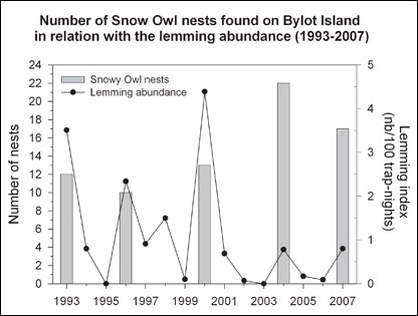
Could the enigmatic snowy owl, a ghostly sentinel of the Arctic tundra, ever reveal its secrets through the lens of cold, hard data? Imagine the ceaseless flight of this alabaster predator, wings spanning majestic expanses, yet silently eluding human understanding. As climate shifts accelerate and habitats transform, the challenge of truly comprehending the snowy owl’s realm grows ever more complex. How can we, armed with pixels, algorithms, and mountains of data, begin to unravel the subtle whispers of its habitat preferences, migration patterns, and survival strategies? Enter the transformative realm of big data, where raw information converges into meaningful insight, casting light upon the snowy owl’s shadowy world.
How the Lacey Act Affects Barred Owl Control Efforts
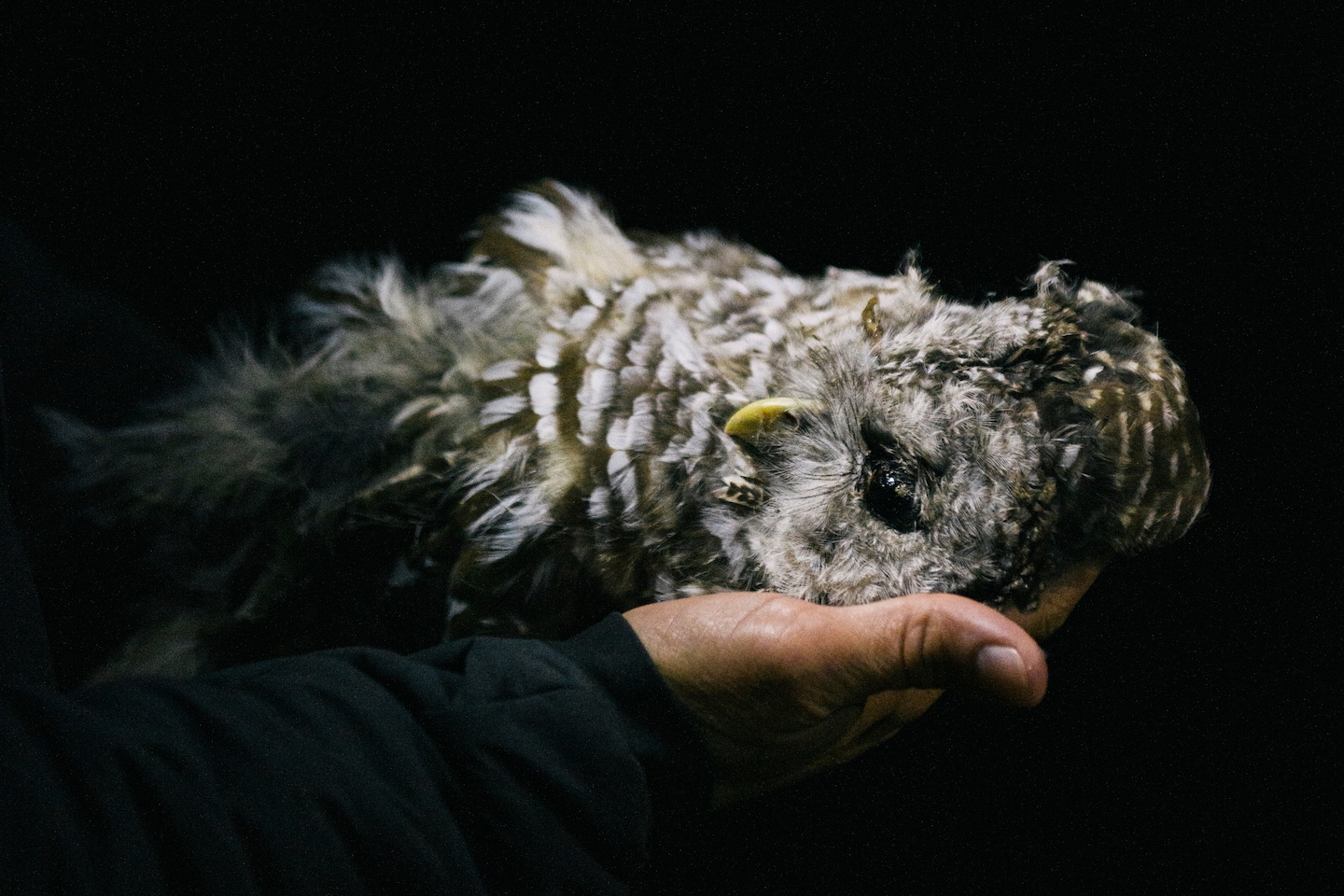
The barred owl, a charismatic and adaptable bird, has become an unwelcome guest in the Pacific Northwest. Its relentless expansion into the territories of the threatened northern spotted owl has sparked a controversial debate: should we cull barred owls to save their endangered cousins? Enter the Lacey Act, a century-old law with far-reaching consequences, now ensnaring this ecological dilemma in its legal web. But what happens when conservation collides with legislation? How does the Lacey Act, designed to protect wildlife, inadvertently complicate efforts to control an invasive species? Let’s unravel this tangled narrative.
The Emotional Side of Owl Rehabilitation: Bonding with Patients
The journey of rehabilitation is often painted in clinical strokes—charts, metrics, and milestones—but what lingers in the quiet moments are the emotions that color the experience. Owls, those enigmatic creatures of the night, have long captivated human imagination with their piercing gaze and silent flight. Yet, beyond their mythic allure, these birds possess an uncanny ability to forge profound connections with those undergoing rehabilitation. The emotional side of owl rehabilitation isn’t just about healing; it’s about rediscovery, trust, and the quiet transformation that occurs when two beings—one feathered, one fragile—begin to understand each other.