
The enigmatic barred owl is a master of disguise in the lush and shadowy woodlands it inhabits. Its remarkable ability to blend seamlessly into its environment is not merely a product of chance but a sophisticated adaptation honed through millennia. The barred owl’s camouflage is a mesmerizing synthesis of coloration, patterning, behavioral subtlety, and habitat selection that allows it to remain unseen by both prey and predator alike. This multifaceted cloak of invisibility plays a pivotal role in the owl’s survival, hunting proficiency, and reproductive success.
Barred Owl
The Barred Owl’s Vocalizations: How Their Calls Differ from Spotted Owls
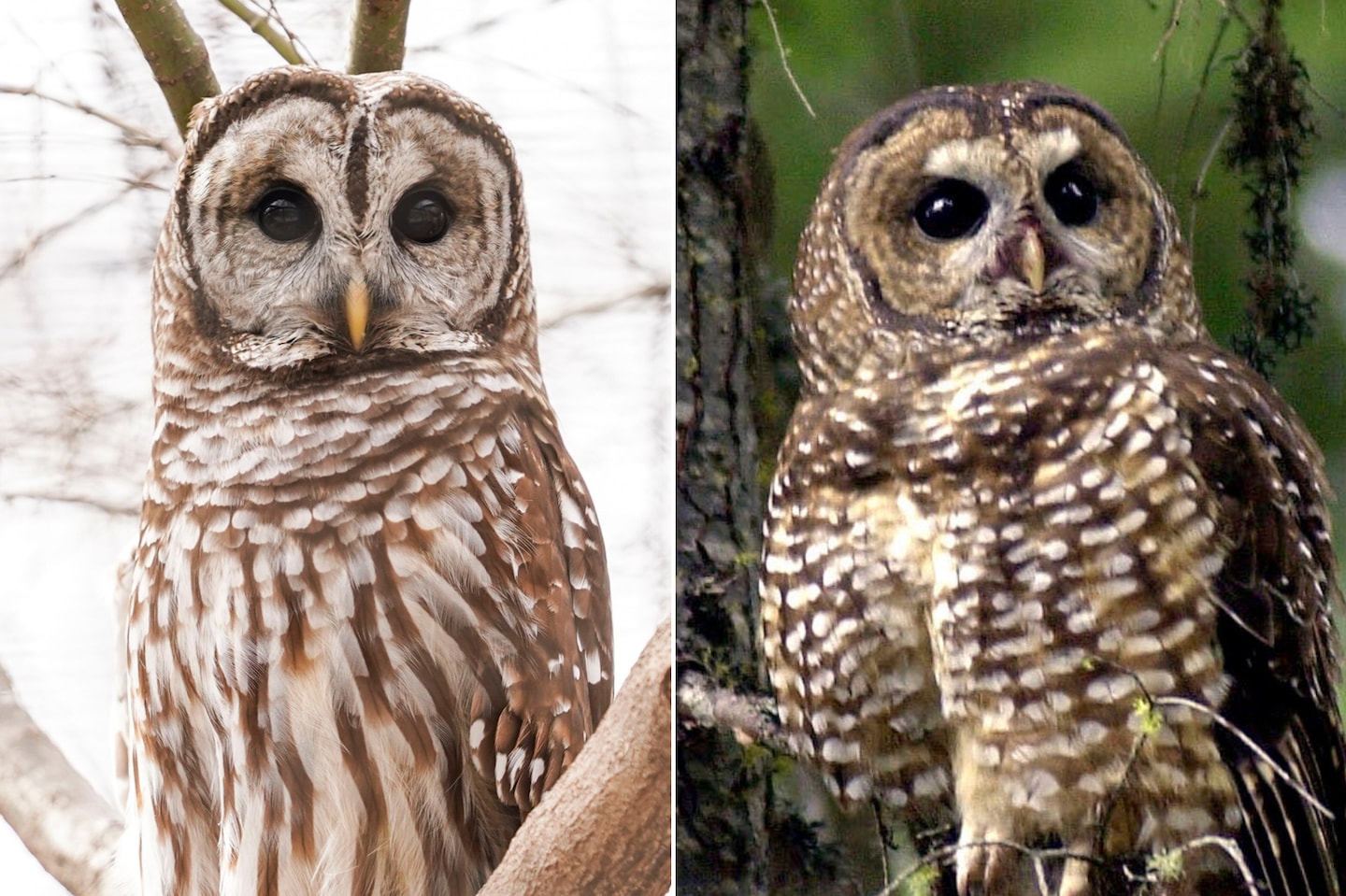
The haunting echoes of owls in the twilight forests evoke a profound curiosity among birdwatchers and nature enthusiasts alike. Among these nocturnal singers, barred owls and spotted owls vocalize with a mesmerizing complexity that invites closer scrutiny. Many have noticed the stark contrast between the barred owl’s bold, resonant calls and the subtler, more elusive notes of the spotted owl. This auditory dichotomy not only marks their distinct identities but also unveils intricate ecological narratives hidden within their vocalizations. Delving into the barred owl’s calls reveals much more than mere sound—it offers a window into behavior, territory, and the delicate balance of forest ecosystems.
Barred Owl Parenting: How They Raise Their Young
In the quiet alcoves of twilight forests, where shadows weave intricate tapestries amongst ancient oaks and whispering pines, the barred owl emerges as a sentinel of the night. Parenting for these enigmatic birds is not merely a biological imperative but a profound symphony of instinct, devotion, and precision—each movement a note in the grand opus of life’s continuation. Their approach to nurturing young is an astonishing ballet of patience, stealth, and fierce guardianship, an ethereal dance woven under the silvery gaze of moonlight. To glimpse into their world of parenting is to encounter nature’s poetry in motion, a narrative that transcends the ordinary and beckons us into the sacred rites of survival and love.
Barred Owl Nesting Habits: How They’re Taking Over Spotted Owl Territory
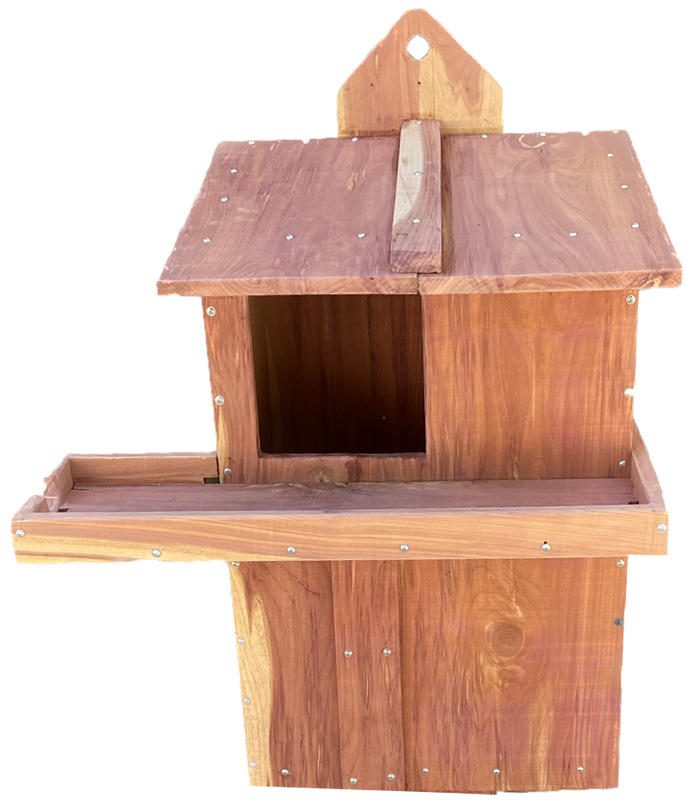
In the ancient tapestry of North American forests, the barred owl has woven itself into a narrative of quiet conquest and ecological adaptation. Once overshadowed by the elusive spotted owl, this larger, more versatile raptor is now charting a bold expansion into territories formerly dominated by its cousin. The shift in dominance is not just a simple tale of one species supplanting another; it is a complex interlude of behavioral innovation, environmental change, and competitive prowess. Understanding the barred owl’s nesting habits unfolds a story of relentless survival instincts paired with opportunistic colonization, illuminating how these enigmatic birds have come to flourish in the contested realms of the spotted owl.
Barred Owl vs. Spotted Owl: A Comparison of Physical Traits
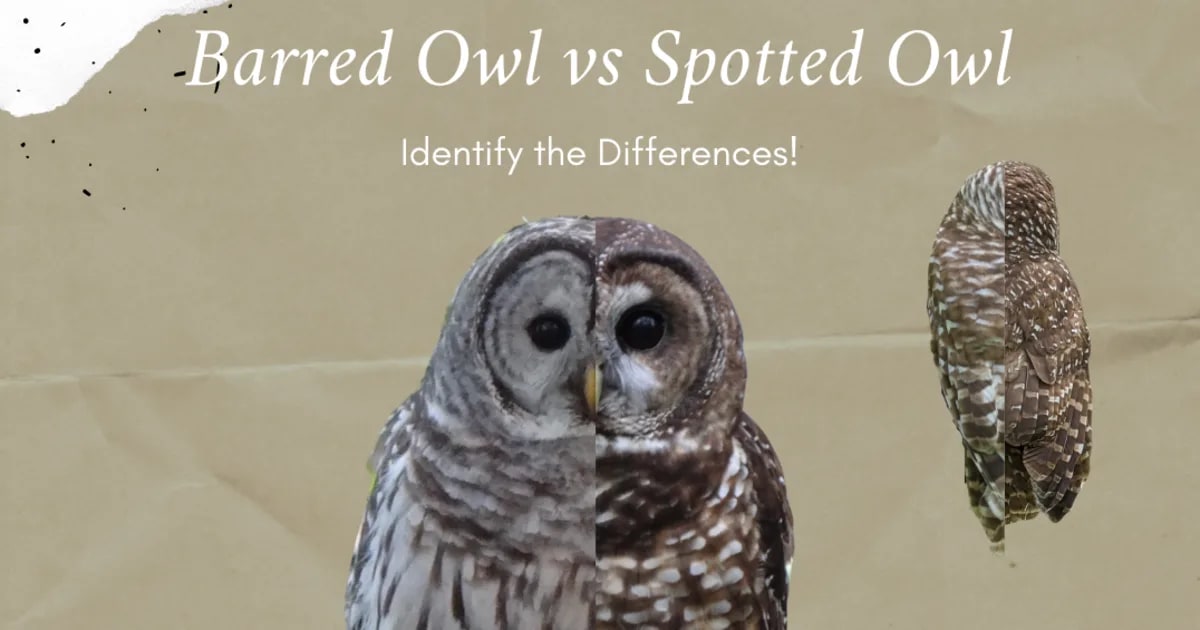
In the twilight whispers of North America’s woodlands resides a pair of enigmatic raptors whose haunting calls paint the nocturnal soundscape—the Barred Owl and the Spotted Owl. At first encounter, their overlapping habitats and somewhat similar silhouettes might deceive even the keenest observers into presuming a singular identity. Yet, beyond their ghostly hoots and shadowed flights lies a world of nuanced physical distinctions that tell separate tales of evolution, survival, and adaptation. Embarking on a journey to unravel these differences promises not only to sharpen your insight but to transform the way you perceive these magnificent creatures forever.
How Barred Owls Are Affecting Other Bird Species in Their Range
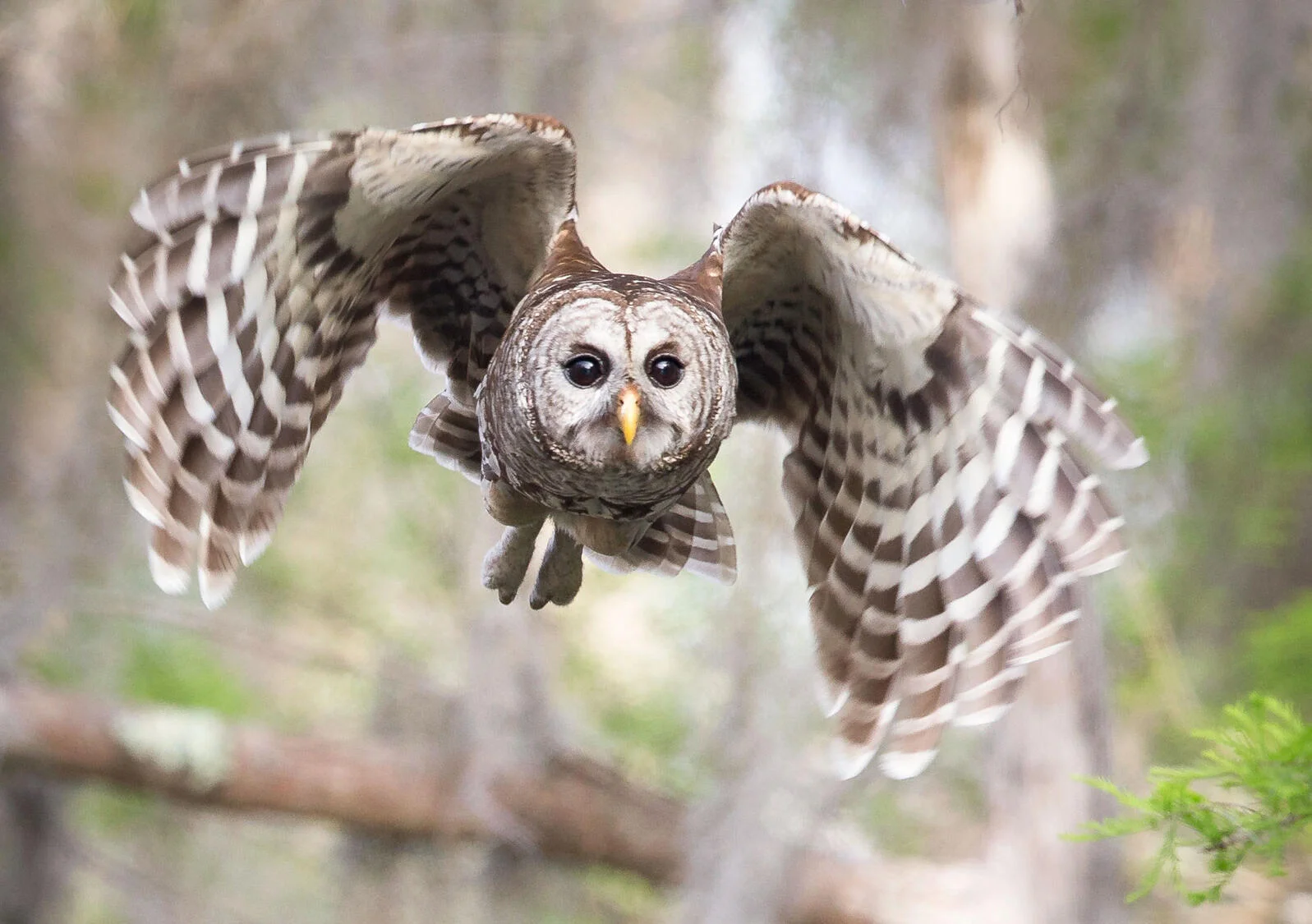
The barred owl, with its haunting call echoing through dense forests, is more than just a mysterious emblem of the night; it represents a complex force within the avian communities it inhabits. Traditionally celebrated for its enigmatic presence, this raptor has quietly reshaped the very dynamics of bird populations across its range. But what if the barred owl’s dominance carries consequences far beyond what the casual observer realizes? What if, hidden beneath the shadowy wingspan of this majestic bird, subtle and profound disruptions are unfolding — rippling through ecosystems and affecting other bird species in ways we are only beginning to comprehend?
The Barred Owl’s Expansion: How Did They Spread So Quickly?
Have you ever wondered how a creature known for its haunting call and shadowy presence could seemingly appear overnight across vast and varied landscapes? The Barred Owl’s expansion across North America presents a peculiar ecological tale—one that teases both curiosity and a touch of bewilderment. What factors allowed this enigmatic bird to extend its dominion so rapidly, and what implications does this swift spread pose within the intricate web of forest ecosystems?
The Barred Owl’s Role in Forest Ecosystems: Friend or Foe?

Is the barred owl a benevolent guardian of the forest or a cunning usurper disrupting ecological harmony? This enigmatic bird, cloaked in mottled plumage and known for its haunting call, occupies a unique niche within North America’s temperate woodlands. Yet, while some admire its role as a predator maintaining balance, others question whether the barred owl inadvertently sows discord in delicate ecosystems. As we delve into the barred owl’s role, let’s challenge ourselves to view this avian character from multiple angles — friend or foe?
The Barred Owl’s Reproductive Success: Why Are They So Prolific?
The barred owl, with its haunting hoots echoing through North American forests, has long fascinated ornithologists and nature enthusiasts alike. Beyond its mysterious presence, one aspect that commands attention is its remarkable reproductive success. What fuels the productivity of this striking raptor? Delving into the intricacies of its breeding habits, environmental adaptability, and parental strategies reveals an awe-inspiring narrative of survival and fecundity. Understanding why barred owls are so prolific offers not only insight into their life history but also illuminates broader ecological dynamics.
The Barred Owl’s Territorial Behavior: Defending Their Space

The barred owl, with its distinctive call echoing through dense woodlands, captivates the attention of bird enthusiasts and nature lovers alike. Among its many fascinating behaviors, its territoriality stands out as a vivid testament to the delicate balance between survival and dominance in the wild. Observers often notice these majestic birds fiercely guarding their domains, seemingly driven by an innate instinct to protect more than just space. What lies beneath this common display of territorial behavior is a rich tapestry of ecological strategy, communication finesse, and evolutionary significance that reveals the barred owl’s profound relationship with its environment.