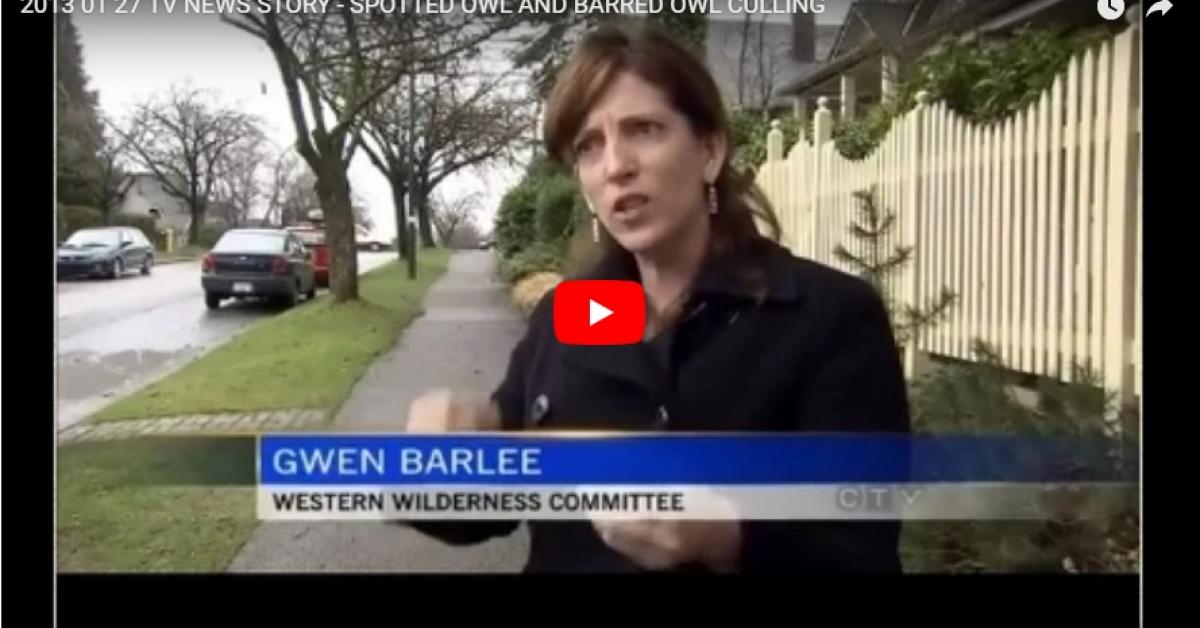
The ancient forests of the Pacific Northwest hum with secrets—whispers of barred owls’ hoots echoing through the canopy, while the ghostly silhouettes of spotted owls flit between the shadows. But beneath this serene facade, a storm brews. A legal tempest has erupted over the controversial practice of barred owl culling, a desperate measure to save the endangered spotted owl from extinction. What began as a scientific debate has spiraled into a clash of ethics, law, and public sentiment, with lawsuits flying, protests swelling, and emotions running high. This is not just a battle over birds; it is a collision of values, a reckoning with humanity’s role in the natural world.
Controversy
The Ecological Impact of Barred Owls: Are They Disrupting Entire Ecosystems?

The barred owl, with its haunting “Who cooks for you?” call echoing through dense forests, has long been a symbol of North America’s wild heart. Yet beneath its charismatic facade lies a complex ecological narrative—one that has sparked both fascination and concern. Once confined to eastern woodlands, this adaptable raptor has expanded its range westward, encroaching upon the territories of its northern cousin, the spotted owl. The result? A cascade of ecological disruptions that ripple through entire ecosystems, challenging conservationists and sparking debates about the unintended consequences of nature’s own intrusions. What begins as a tale of resilience and adaptability soon unravels into a cautionary saga of ecological imbalance, where the barred owl’s triumph becomes the spotted owl’s tragedy—and the forest’s silent undoing.
The Future of the Spotted Owl: Can We Bring It Back from the Brink?

The spotted owl, a creature of dappled shadows and whispered forest lore, stands at the precipice of an uncertain future. Once a symbol of untouched wilderness, its existence now teeters between survival and extinction. As we peer into the dense canopies where these birds once thrived, a pressing question emerges: Can we reverse the tide of decline and restore the spotted owl to its rightful place in the ecosystem? This narrative explores the multifaceted challenges and potential pathways to redemption for this enigmatic species.
Barred Owl Removal: The Data So Far—Does It Actually Help Spotted Owls?
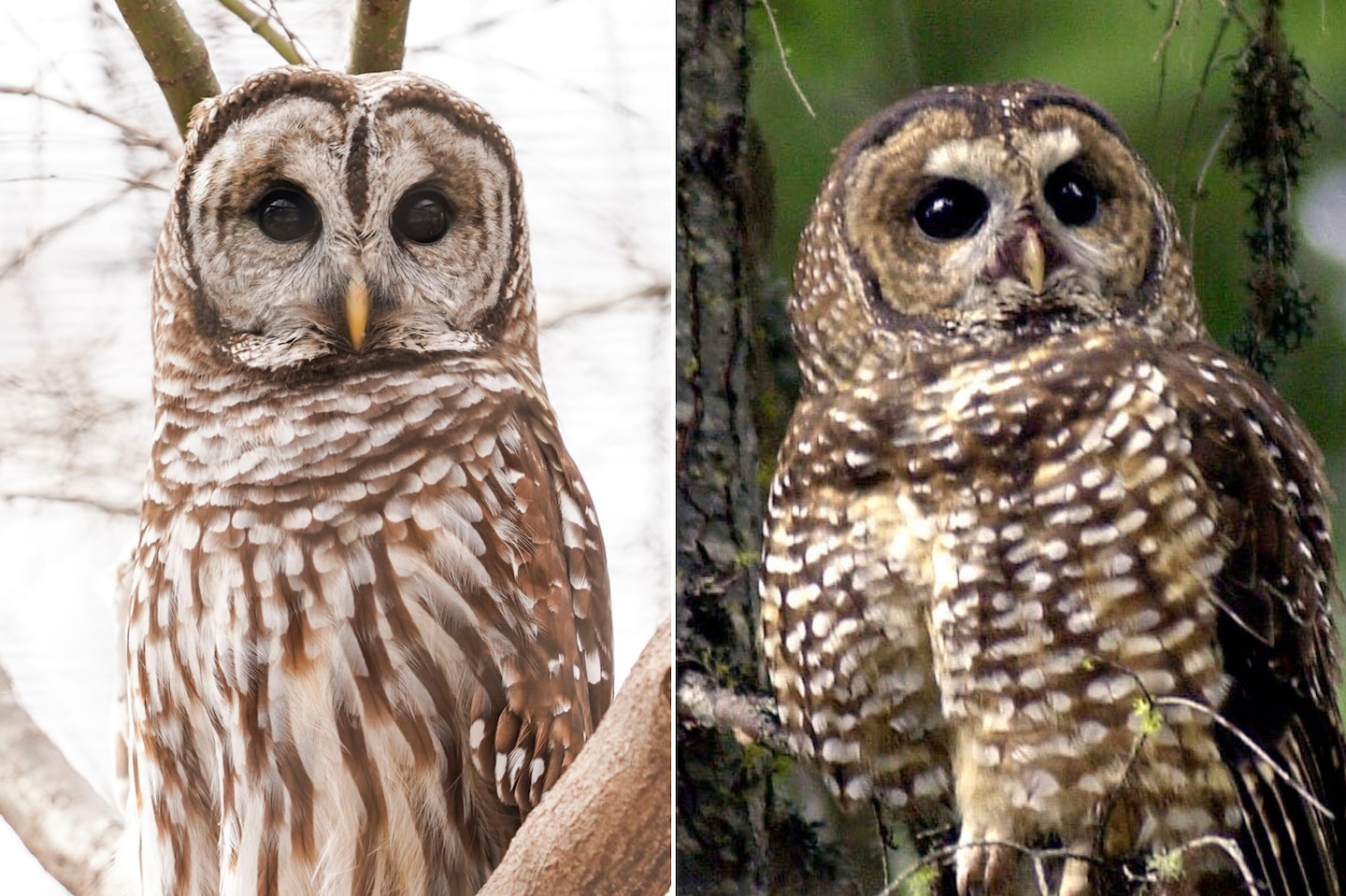
The barred owl, a creature of dusk and shadow, has become an unlikely antagonist in the quiet drama of the Pacific Northwest’s ancient forests. With piercing yellow eyes and a voice that echoes like a barking dog through the twilight, this adaptable raptor has expanded its range with unsettling efficiency, encroaching upon the territory of its beleaguered cousin—the northern spotted owl. In response, wildlife managers have embarked on a controversial campaign: the culling of 450,000 barred owls over the next three decades. The goal is clear: to rescue the spotted owl from the brink of extinction. But as the first data trickles in, a pressing question lingers in the misty canopy—does this drastic measure actually work?
Barred Owls in the Pacific Northwest: A Timeline of Their Invasion
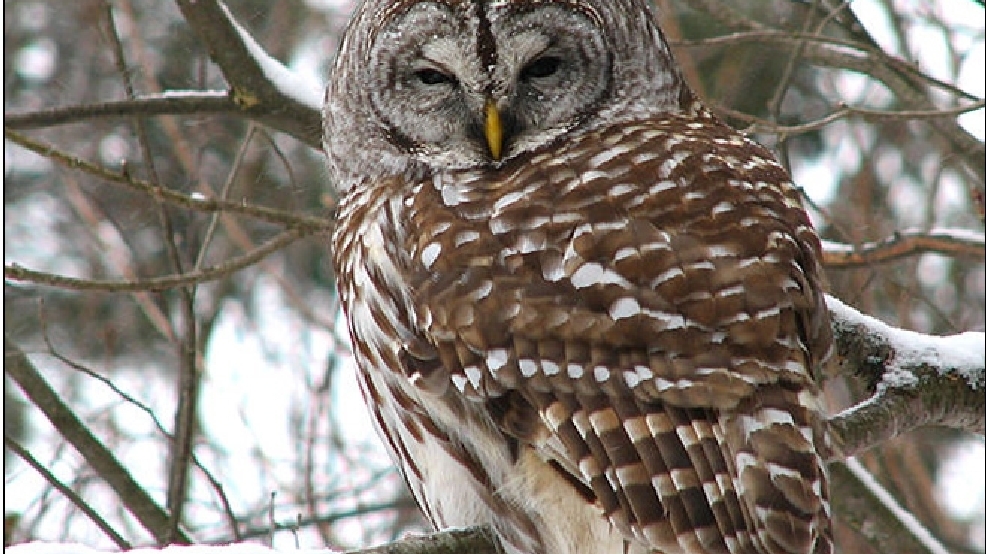
The Pacific Northwest, a region famed for its emerald forests and mist-shrouded mountains, has become an unexpected battleground in the quiet war between native and invasive species. At the heart of this ecological drama is the barred owl, a charismatic raptor whose once-limited range has expanded dramatically over the past century. What began as a subtle shift in habitat has evolved into a full-blown invasion, reshaping the region’s avian hierarchy and prompting urgent conservation measures. This is the story of how the barred owl’s relentless march across the landscape has unfolded—a timeline of adaptation, competition, and consequence.
Public Perception of Barred Owl Culling: A Divided Conservation Community
The barred owl, a charismatic and adaptable raptor, has long been a subject of fascination among birdwatchers and conservationists alike. Yet, in recent years, this species has found itself at the center of a bitterly contested debate—one that pits ecological necessity against ethical quandaries, and scientific pragmatism against public sentiment. The decision by wildlife officials to cull hundreds of thousands of barred owls in an attempt to save their imperiled relatives, the northern spotted owls, has sent ripples through the conservation community, sparking a schism that transcends traditional boundaries of environmental advocacy.
Spotted Owl Recovery Plans: What’s Working and What’s Not
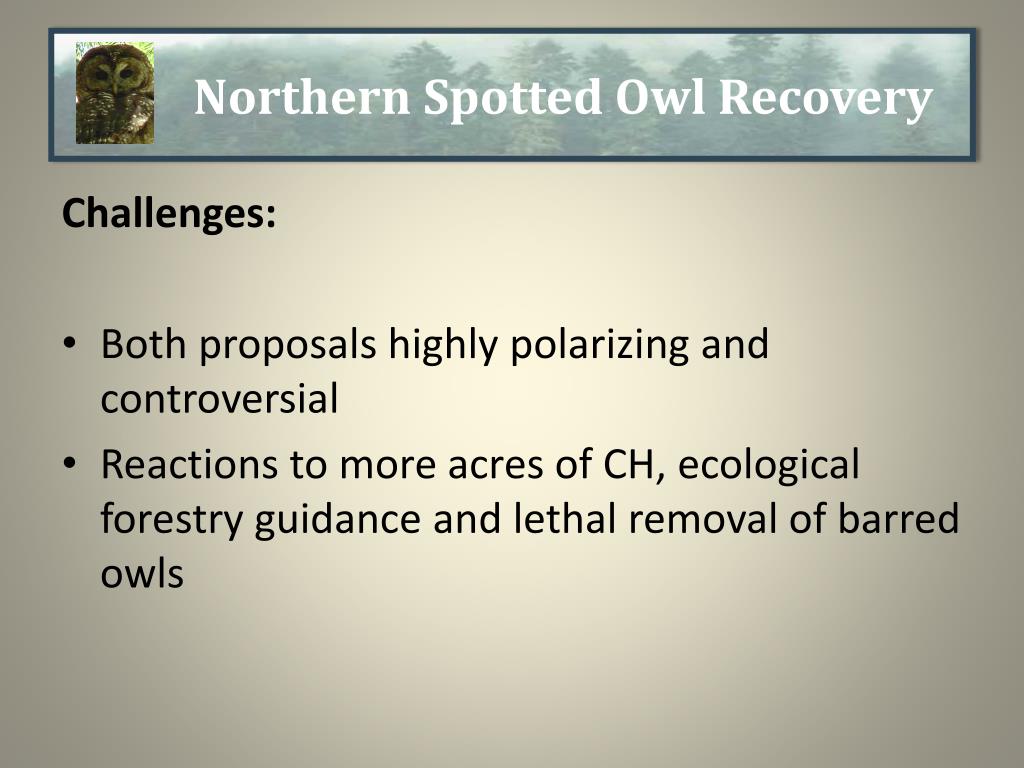
The Northern Spotted Owl, a reclusive denizen of the ancient Pacific Northwest forests, has long captivated ecologists and conservationists alike. Its haunting eight-note call, a melody woven into the fabric of old-growth woodlands, once echoed through towering Douglas firs and redwood groves. Yet, this iconic species now finds itself at the heart of a conservation conundrum, where the clash between human development and ecological preservation plays out in a high-stakes drama. Recovery plans for the Spotted Owl are not merely scientific endeavors—they are narratives of resilience, compromise, and the uneasy dance between progress and preservation. But what exactly is working in these recovery strategies, and where do they falter? To understand this, we must venture beyond the surface of policy and peer into the intricate web of ecological, economic, and social forces at play.
How Do Barred Owls Outcompete Spotted Owls? Aggression Adaptability and Diet
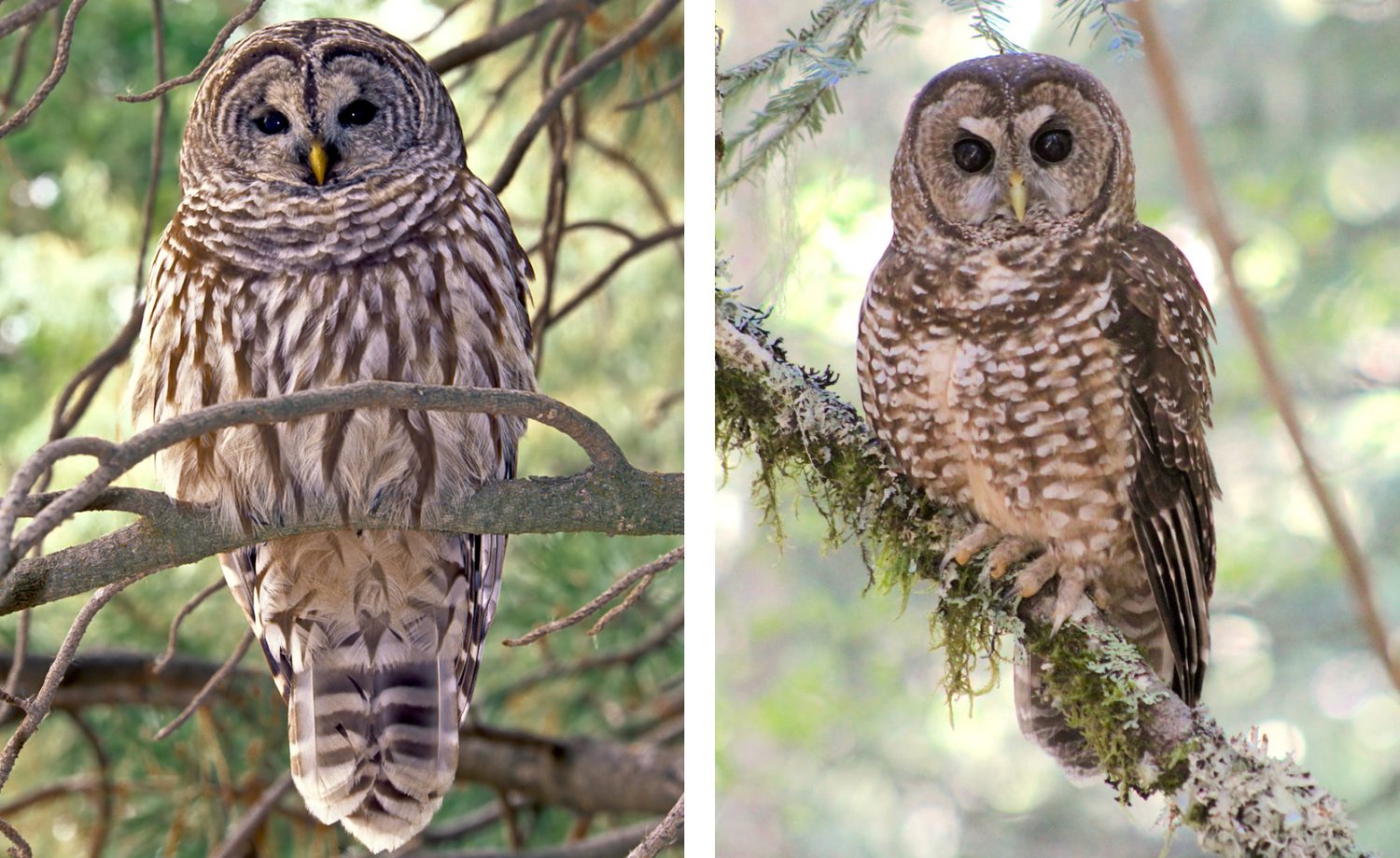
The ancient forests of the Pacific Northwest hum with an unseen drama. Beneath the emerald canopy, two apex predators circle each other—one native, the other an interloper. The Spotted Owl, a relic of old-growth ecosystems, faces a relentless rival: the Barred Owl. Once confined to eastern woodlands, this invader has surged westward, reshaping the balance of power. How does the Barred Owl outcompete its beleaguered cousin? The answer lies not in brute force alone, but in a trifecta of evolutionary cunning: aggression, adaptability, and dietary versatility. To understand this ecological upheaval, we must dissect each of these facets, peeling back the layers of behavior, biology, and environment that have tilted the scales in favor of the Barred Owl.