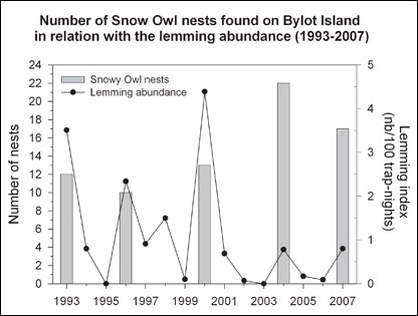
Could the enigmatic snowy owl, a ghostly sentinel of the Arctic tundra, ever reveal its secrets through the lens of cold, hard data? Imagine the ceaseless flight of this alabaster predator, wings spanning majestic expanses, yet silently eluding human understanding. As climate shifts accelerate and habitats transform, the challenge of truly comprehending the snowy owl’s realm grows ever more complex. How can we, armed with pixels, algorithms, and mountains of data, begin to unravel the subtle whispers of its habitat preferences, migration patterns, and survival strategies? Enter the transformative realm of big data, where raw information converges into meaningful insight, casting light upon the snowy owl’s shadowy world.
Decoding Habitat Complexity Through Multidimensional Data
The snowy owl’s habitat is a labyrinth of variables—an intricate interplay of temperature extremes, prey availability, landscape topography, and even the presence of rival species. Traditional ecological studies, though invaluable, often falter under the weight of such complexity. Big data, with its colossal capacity to ingest and analyze multifaceted datasets, offers a paradigm shift. Satellite imagery, climate models, and real-time wildlife tracking converge to build an unprecedentedly detailed portrait of the Arctic environment.
By harnessing geospatial data layers, researchers map the snowy owl’s preferred breeding grounds, revealing subtle microhabitats where conditions are optimal for nesting and hunting. Machine learning algorithms sift through terabytes of information, teasing out patterns that human observers might miss—like correlations between shifting wind patterns and the owl’s hunting behavior, or the influence of snow cover duration on prey availability. This multidimensional approach not only enriches our comprehension but also equips conservationists with the precision necessary to safeguard these critical habitats.
Anchoring Migratory Mysteries With Real-Time Tracking
Migration, that perilous odyssey performed under the cloak of night and the caprice of the seasons, has long been a riddle among snowy owl enthusiasts. Where do they venture when the polar realms grow inhospitable? How do changing environmental pressures redirect their autumnal voyages? Enter big data-powered telemetry: GPS tags and satellite transmitters furnish continuous streams of locational data, painting a dynamic tapestry of movement.
This granular tracking facilitates the study of flight corridors and stopover sites, exposing potential bottlenecks or areas increasingly threatened by human encroachment. Patterns emerge—some owls stray far beyond their traditional bounds, a potential signpost of ecological stress or resource scarcity. With this insight, conservation strategies can shift from reactive measures to proactive stewardship, targeting protections along migration pathways that were once invisible.
Predictive Modeling: Foretelling the Future of Snowy Owl Habitats
Imagine possessing a crystal ball that foresees not just what is, but what could be—a powerful allure of predictive analytics. Using big data, scientists craft models that simulate myriad climate scenarios, predicting how habitat suitability will evolve over coming decades. These models incorporate a dizzying array of inputs: temperature trends, prey population dynamics, human land-use changes, and even the oscillations of polar vortex patterns.
Such foresight is critical. For instance, if warming Arctic temperatures hasten the northward creep of boreal forests, snowy owls could find their open tundra hunting grounds shrinking. Predictions gleaned from big data models provide a roadmap for conservationists to anticipate habitat loss or fragmentation before these impacts mature. Moreover, these models can guide resource allocation—prioritizing areas likely to remain refugia, or least impacted by environmental upheaval.
Integrating Citizen Science and Automated Monitoring
Given the snowy owl’s vast and often inaccessible range, big data’s toolkit extends beyond satellites and sensors to embrace the power of the crowd. Citizen science initiatives funnel thousands of observations from amateur birdwatchers, hunters, and local inhabitants into centralized databases. These datapoints swell the volume and diversity of information, bridging gaps left by formal scientific expeditions.
Automated monitoring technologies, such as acoustic sensors and camera traps, generate continuous streams of data in remote locations. When combined with citizen sightings, these datasets compile an intricate, near-real-time mosaic of snowy owl presence and behavior patterns. The challenge lies in harmonizing this heterogeneous data into cohesive models, yet advanced computational methods now enable sophisticated data cleaning, integration, and analysis across disparate sources.
Challenges and Ethical Considerations in Big Data Application
Yet, amidst this digital renaissance, cautionary voices remind us of inherent challenges. The sheer volume and velocity of data—often described as the “three Vs” (volume, velocity, variety)—risk overwhelming even the most robust analytical systems. Moreover, incomplete data, biases in observational inputs, and the intricacies of biological systems can confound conclusions, demanding rigorous validation and cross-disciplinary expertise.
Ethical considerations also loom large. The deployment of tracking devices must balance the imperative for data with the welfare of the owls, ensuring minimal disturbance. Similarly, open data policies must safeguard sensitive information to prevent exploitation or harm to vulnerable populations. Responsible stewardship of big data, therefore, requires a delicate equilibrium between scientific ambition and conservation ethics.
From Data to Action: Informing Conservation and Policy
Ultimately, the triumph of big data lies not in numbers alone but in catalyzing tangible change. The deep insights into snowy owl habitat dynamics empower policymakers to enact targeted protections—whether establishing no-fly zones during breeding seasons, mitigating industrial disturbances near key habitats, or managing prey species to support healthy owl populations. By translating predictive models into adaptive management plans, conservation efforts become dynamic, evidence-based, and responsive to environmental flux.
As the Arctic faces unprecedented transformation, the synergy of ecological knowledge and big data analytics may well determine the survival of the snowy owl. This magnificent creature, draped in snowy plumage and mystery, invites us not only to marvel but to act—guided by data’s illuminating prism.