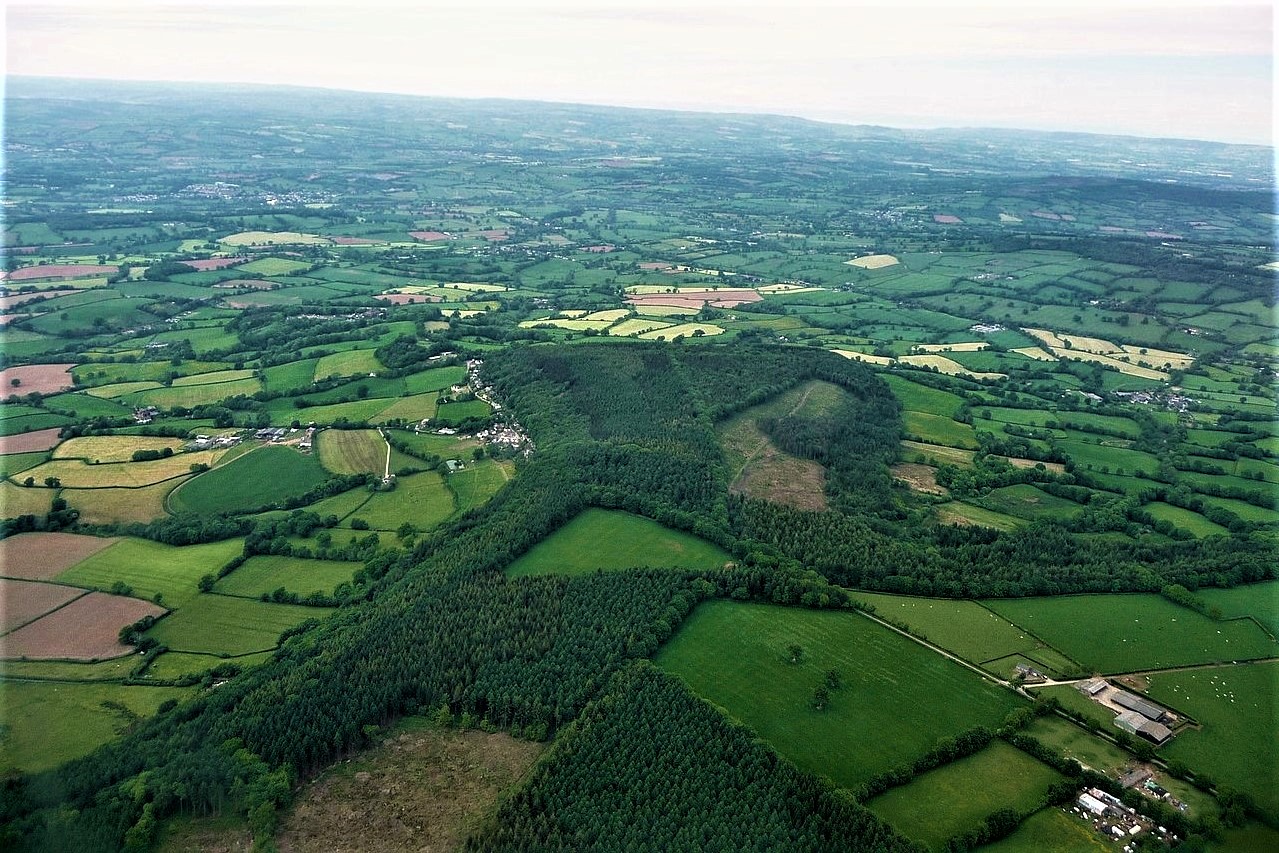
In the silent ballet of twilight, where the moon casts its silver gaze upon the earth, owls glide through the night like spectral navigators. These enigmatic creatures, draped in feathers of dusk and dawn, have long been the guardians of ecological balance, their presence a whisper of nature’s intricate design. Yet, as the world fractures into fragmented habitats and shifting climates, the survival of these nocturnal sentinels hangs in a precarious balance. Enter artificial intelligence—a digital oracle that deciphers the cryptic language of migration, predicts the whispers of dwindling woodlands, and maps the invisible corridors of life. AI is not merely a tool; it is the new compass for conservation, guiding us through the labyrinth of ecological uncertainty with the precision of a barn owl’s silent flight.
Research & Technology
Owl Banding: Tracking Individuals to Understand Populations
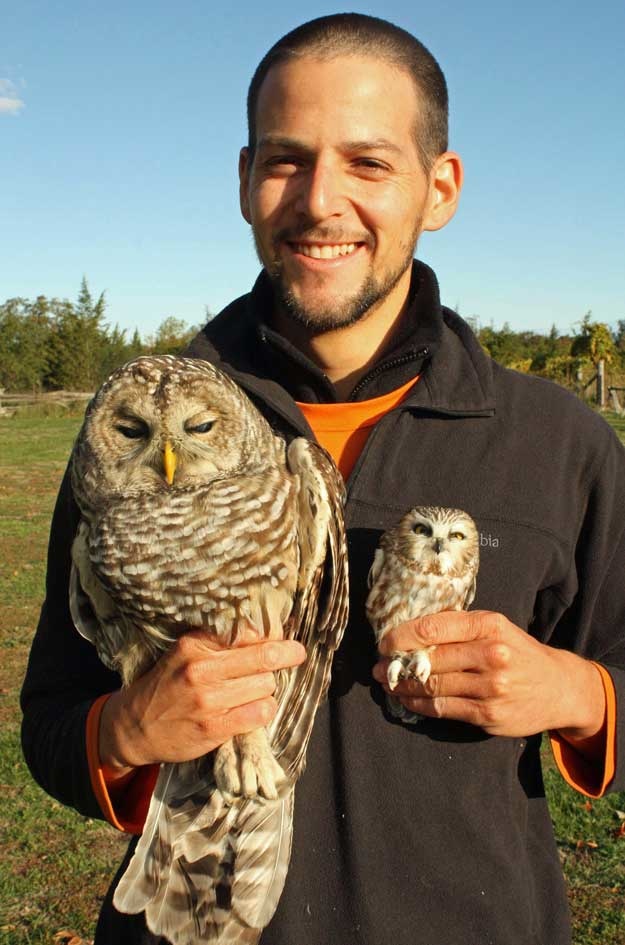
What if you could step into the silent, feathered world of owls—where every hoot carries a secret, and every wingbeat tells a story? Owl banding offers a rare glimpse into this nocturnal realm, transforming fleeting encounters into lifelong data. By carefully tracking individual owls, researchers unravel the mysteries of migration, survival, and population dynamics. But this delicate dance between science and nature is not without its challenges. How do we balance curiosity with care, and what happens when the tools we use to study these birds become part of their story?
The Role of Museums in Owl Research: Preserving Specimens for Science
In the grand cathedral of nature’s mysteries, where the veil between the seen and unseen is thin, owls reign as silent sentinels of the night. These enigmatic birds, with their piercing gaze and feathered whispers, have long captivated human imagination—yet their true significance extends far beyond folklore. Museums, those hallowed repositories of curiosity, stand as guardians of owl specimens, preserving not just feathers and bones, but the very essence of scientific discovery. They are the unsung architects of knowledge, where each specimen becomes a key unlocking secrets of evolution, ecology, and the delicate threads of biodiversity. To understand the role of museums in owl research is to peer into a world where the past breathes through the present, and where every artifact tells a story older than time itself.
Bioacoustics: How Scientists Use Sound to Study Owls
In the hush of a moonlit forest, where shadows dance between ancient trees, a symphony of sounds unfolds—not the cacophony of a bustling city, but a delicate, intricate ballet of nature’s own design. Among the most enigmatic performers of this nocturnal orchestra are owls, their calls weaving through the darkness like threads of a secret language. Yet, for centuries, these vocalizations remained a mystery, whispered secrets lost to the wind. Today, however, science has donned a new pair of ears—bioacoustics—and with it, the veil over the owl’s world is lifting, revealing a realm of communication as rich and complex as any human language.
Camera Traps and Owls: Capturing Rare Behavior on Film
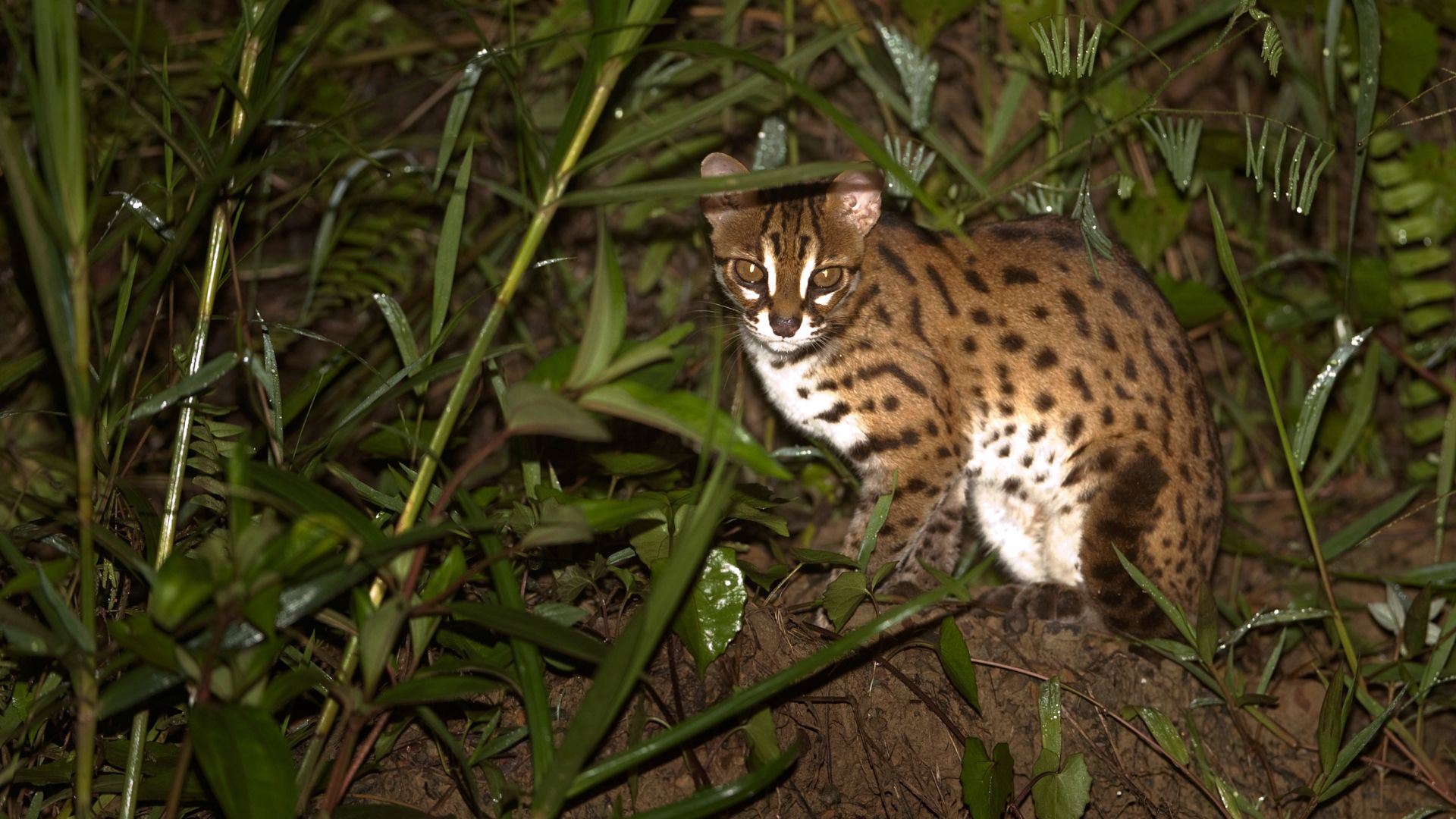
What if the night held secrets not just in shadows, but in the flicker of a passing glance, the tilt of a head, or the silent flap of wings? The world of owls—those enigmatic, feathered sentinels of the dark—has long fascinated humanity with its mystery. But what if we could peer into their nocturnal lives not just with our imagination, but through the unblinking lens of a camera trap? This technology, often associated with big cats and elusive mammals, has quietly revolutionized our understanding of owl behavior, revealing moments so rare they feel plucked from a dream. Yet, capturing these feathered phantoms on film is no simple feat. It demands patience, ingenuity, and a dash of luck. So, let’s embark on a journey into the hidden world of owls and the art of filming their most intimate moments.
How Virtual Reality Is Being Used to Study Owl Behavior
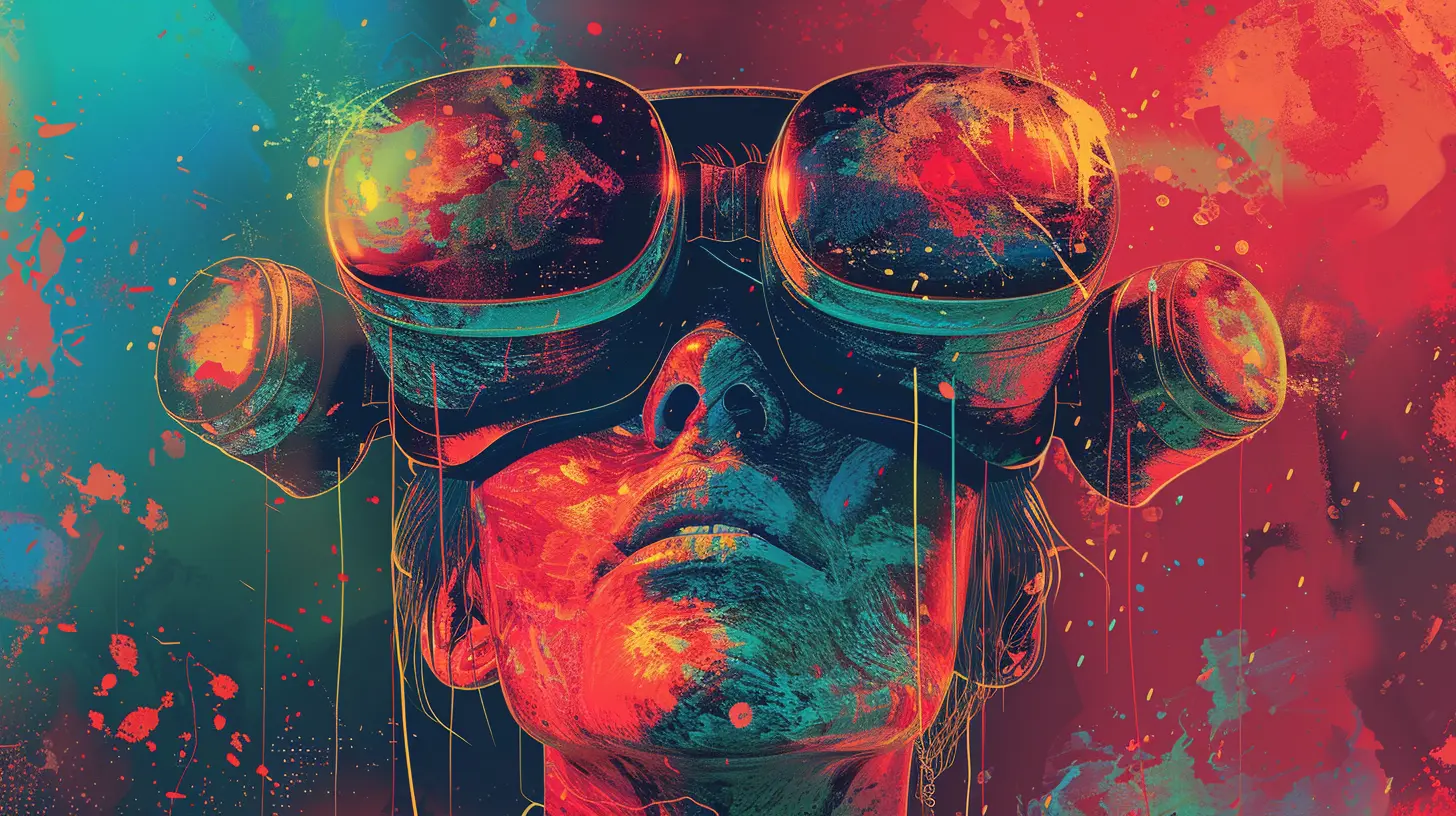
In the quiet, moonlit expanse of an old-growth forest, an owl perches motionless on a gnarled branch, its golden eyes scanning the darkness with eerie precision. For centuries, these enigmatic creatures have captivated human imagination, their nocturnal habits shrouded in mystery. But what if we could step into their world—not as distant observers, but as silent participants in their silent realm? Virtual reality (VR) is rewriting the rules of behavioral science, offering researchers an unprecedented portal into the minds of animals. No longer confined to the limitations of human perception, scientists are now slipping into the feathers of owls, not physically, but psychologically, through immersive digital landscapes that mimic the owls’ natural habitats. This technological leap doesn’t just promise to reveal secrets of owl cognition—it heralds a paradigm shift in how we understand all animal behavior, one that could redefine our relationship with the natural world.
The Role of Citizen Science in Owl Research: How You Can Help
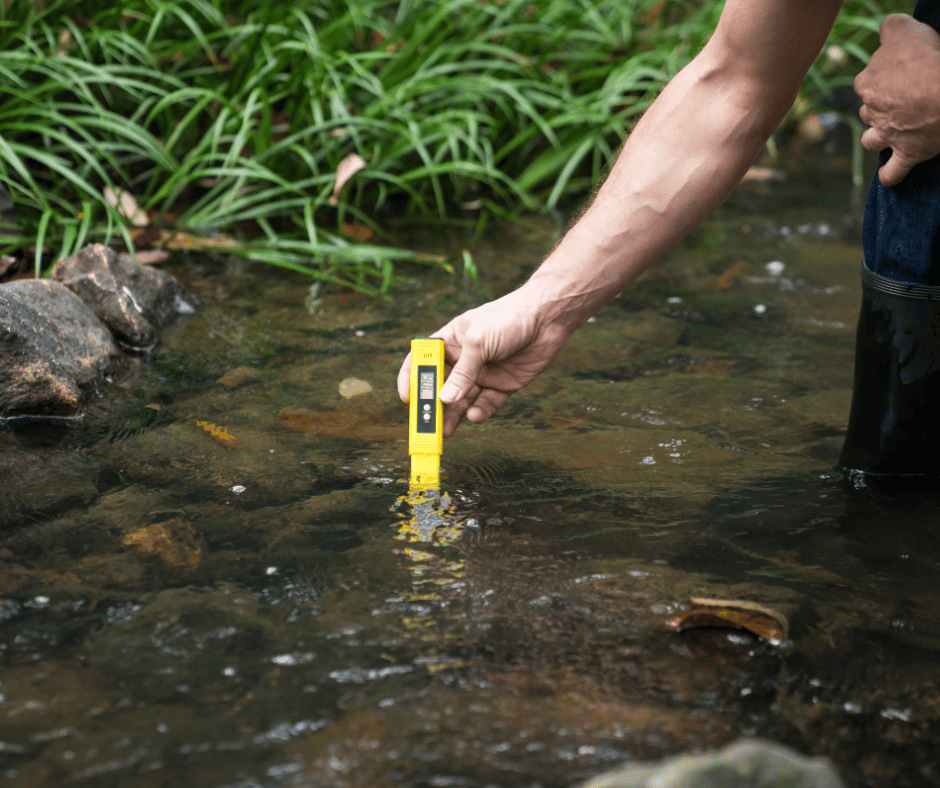
Imagine standing beneath a moonlit canopy, where the night hums with secrets and the air carries the whisper of wings. Owls, those enigmatic sentinels of the dark, have long captivated human imagination. Yet, for all their mystique, these nocturnal hunters remain shrouded in mystery. What if you could peel back the veil, not as a passive observer, but as an active participant in unraveling their secrets? Citizen science offers you that very opportunity—a chance to transform curiosity into impact, to turn idle wonder into tangible discovery. By lending your eyes, ears, and perhaps even your smartphone, you can become a vital link in the chain of owl research, helping scientists decode the language of the night and safeguard these vital predators. The question isn’t whether you can make a difference—it’s whether you’re ready to step into the shadows and listen.
The Role of Big Data in Understanding Owl Populations
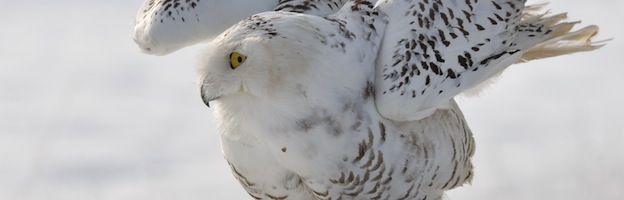
What if the key to unlocking the secrets of owl populations lay hidden not in the quiet rustle of forest undergrowth, but in the vast, humming corridors of digital data? In an era where every hoot, flutter, and nocturnal hunt can be captured, analyzed, and interpreted, big data is emerging as the unsung hero of owl conservation. These enigmatic birds, with their silent wings and piercing gaze, have long fascinated scientists and poets alike—but today, they are also becoming subjects of a technological revolution. From tracking migration patterns to predicting habitat loss, big data is reshaping how we understand and protect these feathered enigmas. Yet, as we dive into this data-driven odyssey, we must ask: can we truly decode the mysteries of owl populations without losing sight of the wild, untamed essence that makes them so captivating?
Owl Migration Tracking: The Latest Breakthroughs in Technology
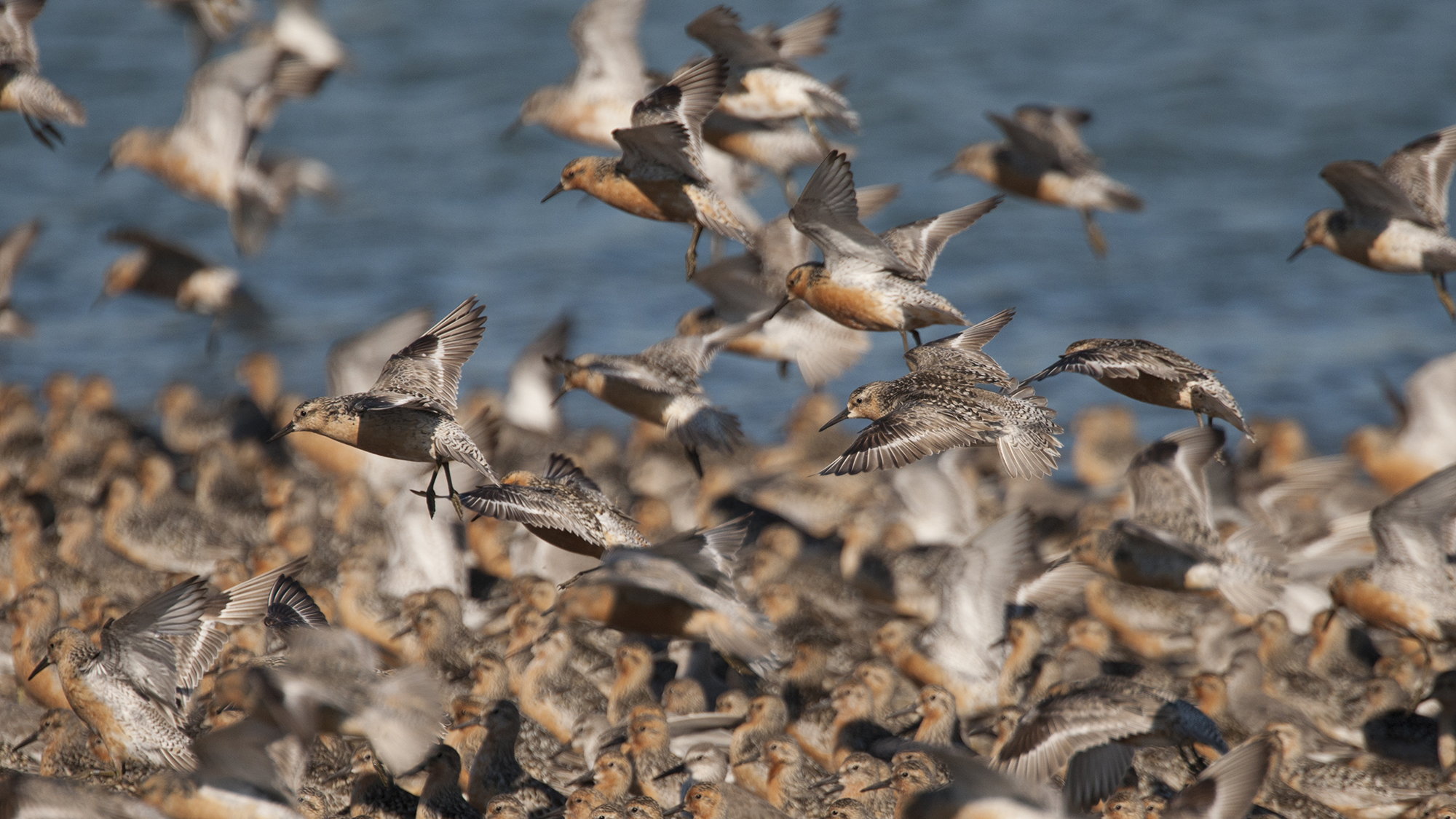
In the hushed realms where twilight bleeds into the indigo of dusk, a silent exodus unfolds. Owls, those spectral sentinels of the night, are taking to the skies in a journey as ancient as the moon itself. For centuries, their migrations have been shrouded in mystery, whispered about in the rustle of feathers against the wind, glimpsed only in fleeting silhouettes against the moon’s glow. But no longer. A revolution is stirring in the shadows—one that promises to peel back the veils of secrecy surrounding these enigmatic wanderers. Welcome to the dawn of a new era in owl migration tracking, where cutting-edge technology meets the age-old dance of predator and prey.
How 3D Printing Is Helping Owl Rehabilitation
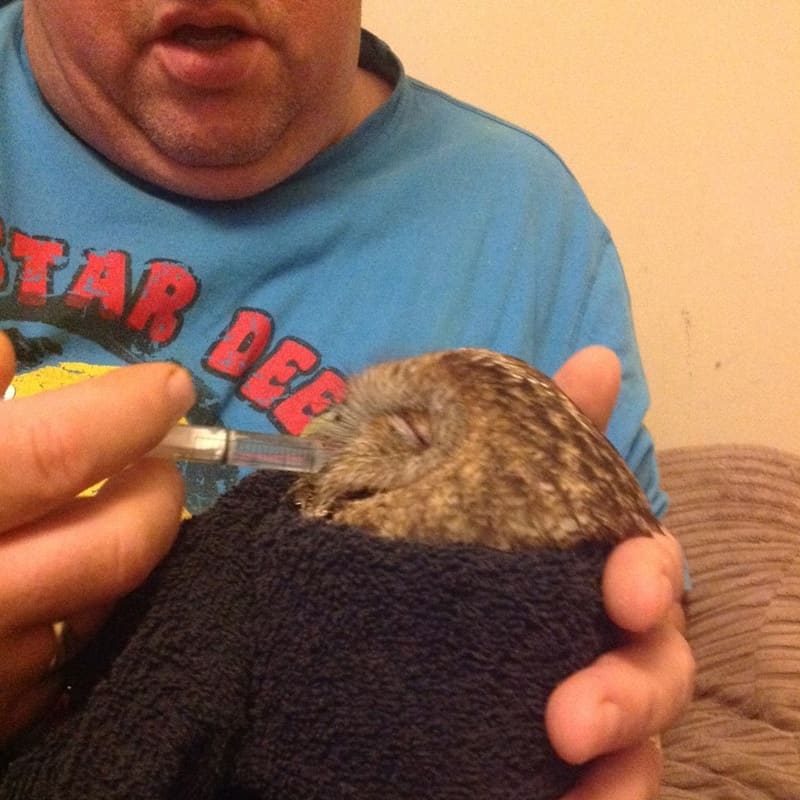
In the quiet hush of dawn, where the first light bleeds into the sky like watercolor on parchment, a silent revolution is taking flight—not with feathers, but with plastic and precision. The world of owl rehabilitation, once bound by the limitations of natural materials and human ingenuity, has found an unexpected ally in the hum of 3D printers. These machines, often associated with gadgets and prototypes, have become the unseen artisans of hope, crafting prosthetics, aviaries, and even surrogate nests for injured raptors. The marriage of biology and technology has birthed a new era, where the fragility of a broken wing meets the unyielding strength of additive manufacturing. This is not just innovation; it’s a symphony of science and compassion, where every layer printed is a step toward freedom for creatures that embody wisdom and mystery.