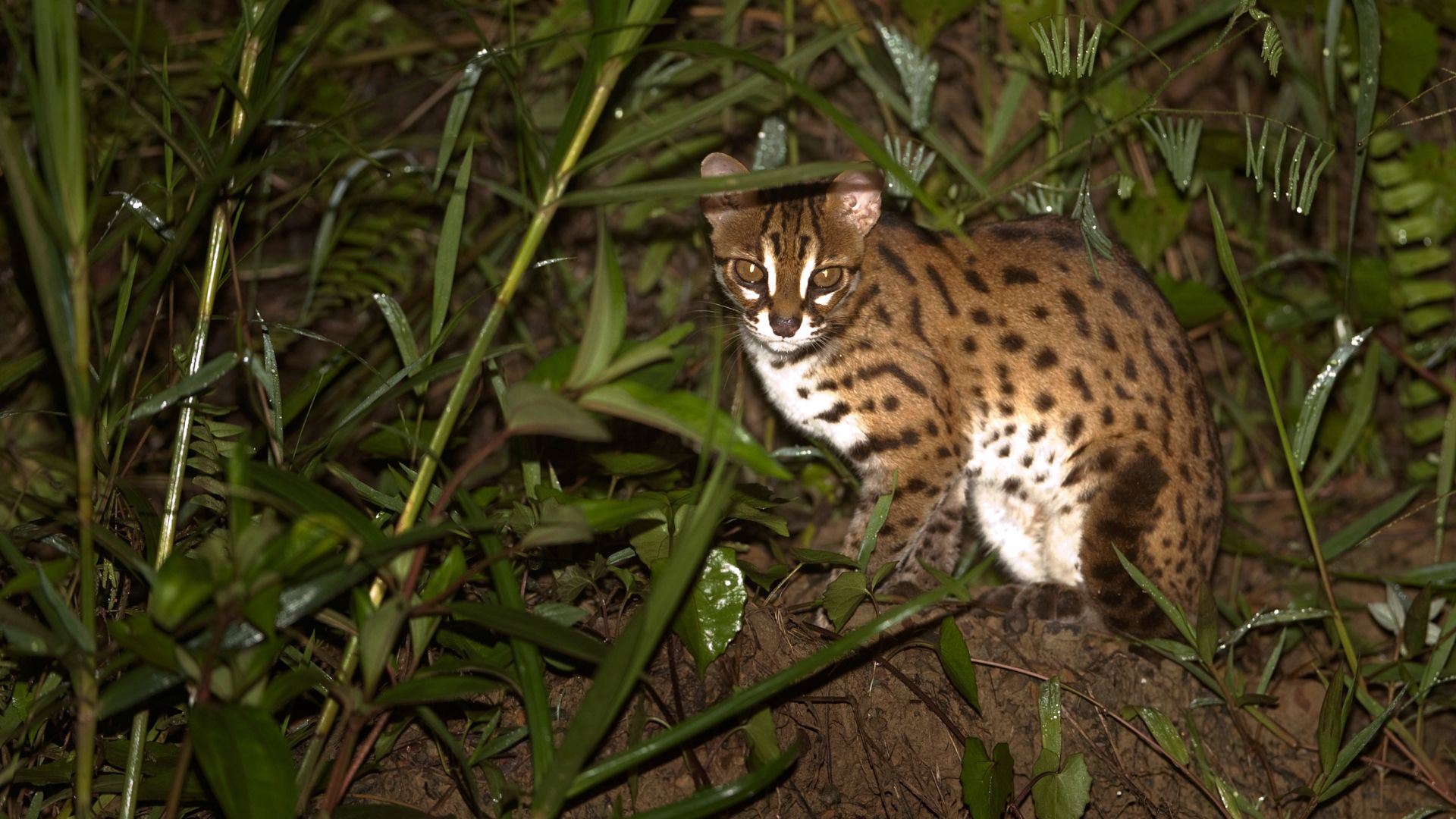
What if the night held secrets not just in shadows, but in the flicker of a passing glance, the tilt of a head, or the silent flap of wings? The world of owls—those enigmatic, feathered sentinels of the dark—has long fascinated humanity with its mystery. But what if we could peer into their nocturnal lives not just with our imagination, but through the unblinking lens of a camera trap? This technology, often associated with big cats and elusive mammals, has quietly revolutionized our understanding of owl behavior, revealing moments so rare they feel plucked from a dream. Yet, capturing these feathered phantoms on film is no simple feat. It demands patience, ingenuity, and a dash of luck. So, let’s embark on a journey into the hidden world of owls and the art of filming their most intimate moments.
The Silent Watchers: Why Owls Are the Ultimate Camera Trap Subjects
Owls are the original masters of stealth. Their silent flight, keen senses, and nocturnal habits make them nearly invisible to the untrained eye. Yet, for those who study them, they are a treasure trove of behavior waiting to be documented. Camera traps, with their motion sensors and infrared capabilities, offer a non-invasive way to observe owls in their natural habitats without disturbing their routines. Unlike traditional wildlife photography, which often requires a human presence, these devices operate autonomously, capturing moments that might otherwise go unnoticed.
The allure of filming owls lies in their unpredictability. A camera trap might record a barn owl performing a mid-air pirouette, a great horned owl engaging in a territorial dispute, or a tiny screech owl reacting to the sudden flash of light. Each clip is a snapshot of life in the underbrush, a glimpse into a world where survival depends on precision and stealth. But here’s the twist: while we assume owls are the silent observers, the camera trap itself becomes the unseen witness, turning the tables on these nocturnal hunters.
Setting the Stage: The Art of Baiting and Placement
Even the most advanced camera trap is useless if it’s not in the right place at the right time. Owls, being opportunistic predators, are drawn to areas rich in prey—rodent highways, open meadows, or the edges of dense forests. Placing a camera trap near these hotspots increases the chances of capturing an owl’s presence. However, baiting is a delicate science. While some species, like the barred owl, may be lured by recordings of their own calls, others, such as the snowy owl, are more discerning. A poorly chosen bait could spook rather than attract.
The challenge intensifies when considering the owl’s acute hearing. A camera trap’s mechanical whir or the crunch of a footstep can send a bird fleeing into the night. This is where innovation comes into play. Silent, infrared-equipped traps with no visible lights are essential. Some researchers even use decoy owls—life-sized models—to pique curiosity without risking disturbance. Yet, even the best-laid plans can go awry. What if the owl ignores the bait entirely? What if it perches just out of frame? The unpredictability is part of the thrill, turning every deployment into a high-stakes game of hide-and-seek.
Patience and Persistence: The Unsung Virtues of the Field Biologist
Camera trapping owls is not for the impatient. A single night of footage might yield nothing but static, or worse—a raccoon’s mischievous antics. Success often requires weeks, even months, of meticulous setup and review. The biologist must become a silent partner to the owl, learning its routines, its preferred hunting grounds, and the subtle cues that precede a hunt. This is where the true artistry lies—not just in the technology, but in the observer’s ability to read the landscape like a map of invisible trails.
Consider the case of the spotted owl, a species so elusive that its presence is often confirmed only by the faintest of calls or the rustle of wings. A camera trap in its territory might capture not just the owl itself, but the intricate dance of predator and prey—a mouse frozen in terror, a talon striking with lethal precision. Yet, the owl’s behavior isn’t always dramatic. Sometimes, the most revealing footage is mundane: an owl preening its feathers, a fledgling testing its wings, or a pair exchanging soft hoots in the predawn light. These moments, though seemingly ordinary, are the threads that weave the tapestry of owl life.
The Unexpected Star: When Owls Break the Script
No discussion of owl camera trapping would be complete without acknowledging the moments that defy expectation. What happens when an owl doesn’t just pass by the camera but interacts with it? Some species, like the eagle owl, have been known to investigate traps out of curiosity, pecking at the lens or even attempting to carry it away. Others, like the burrowing owl, may treat the device as a perch, leading to amusing footage of an owl surveying its domain from atop a plastic box.
Then there are the rare instances of interspecies drama. A camera trap might record an owl’s failed hunt, a predator’s near-miss, or even a confrontation with a rival species. One particularly striking clip captured a great gray owl swooping down on a camera trap, mistaking it for a threat. The resulting footage is a chaotic blur of feathers and motion—a testament to the owl’s ferocity and the unpredictability of wildlife encounters. These unscripted moments remind us that nature is not a documentary; it’s a live performance, and the camera trap is merely an audience member, lucky enough to witness the show.
The Ethical Lens: Balancing Discovery and Disturbance
As thrilling as these discoveries are, they come with a responsibility. Camera trapping, while less intrusive than traditional methods, is not without its ethical considerations. The constant flash of infrared lights, even if invisible to human eyes, can disrupt an owl’s natural behavior. Prolonged exposure to artificial stimuli may cause stress, altering feeding patterns or nesting habits. Researchers must weigh the benefits of data against the potential harm, ensuring that their methods do not inadvertently become part of the problem.
This ethical tightrope walk extends to the use of recorded calls. While owl decoys can be effective, overuse risks habituating birds to human-made sounds, making them less wary of real threats. The goal is to observe, not to manipulate. The best footage is that which captures owls behaving as they would without the camera’s presence—a fleeting glimpse into their secret world, untainted by interference.
Beyond the Frame: What These Footage Reveal About Owl Intelligence
The footage gathered from camera traps isn’t just visually stunning; it’s a goldmine of scientific data. Analyzing owl behavior on film has led to breakthroughs in our understanding of their intelligence. Some species, like the barn owl, exhibit problem-solving skills, using tools or strategic hunting techniques. Others, such as the tawny owl, display complex social structures, with individuals recognizing one another’s calls and responding accordingly. These insights challenge the outdated notion of owls as mere silent hunters, revealing them instead as cunning, adaptable creatures with rich inner lives.
One particularly fascinating study involved tracking how owls adapt to urban environments. Camera traps in city parks have captured footage of owls hunting pigeons, navigating traffic noise, and even nesting in abandoned buildings. These adaptations speak to the resilience of nature, proving that even in the most human-dominated landscapes, owls find a way to thrive. The footage becomes more than just a record of behavior—it’s a testament to the adaptability of life itself.
The Future of Owl Camera Trapping: Where Do We Go From Here?
The technology behind camera traps is evolving at a breakneck pace. High-definition infrared cameras, AI-powered motion detection, and even thermal imaging are pushing the boundaries of what’s possible. Imagine a future where camera traps can not only record an owl’s movements but also analyze its vocalizations in real-time, alerting researchers to specific behaviors as they happen. Such advancements could revolutionize conservation efforts, allowing for more targeted protection of owl habitats.
Yet, with all these innovations, one thing remains constant: the need for human curiosity and wonder. The most groundbreaking footage is often the result of a researcher’s intuition, their willingness to venture into the unknown and their patience to wait for the perfect shot. As we continue to refine our methods, we must also remember why we started—to connect with the wild, to witness the unseen, and to share the magic of owls with the world.
The night is full of stories waiting to be told. And with each click of a camera trap, we inch closer to uncovering them.