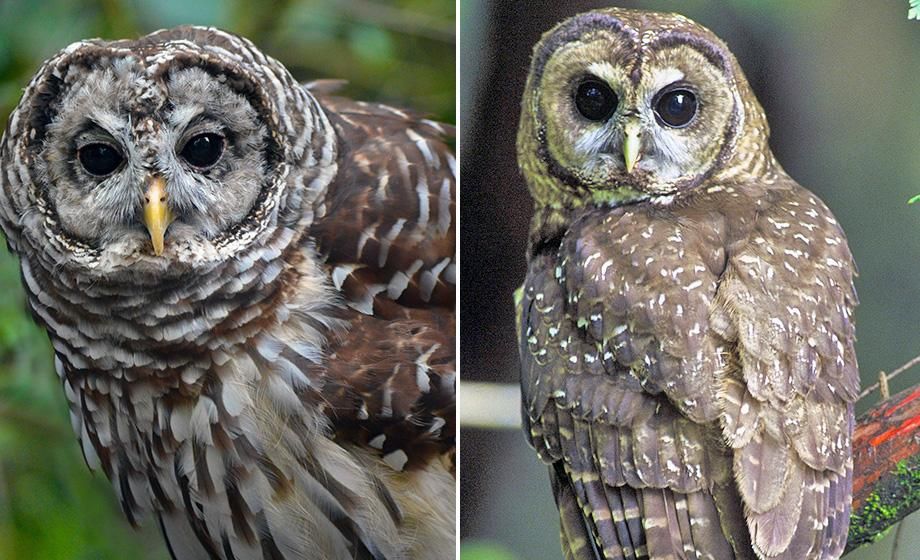
When considering the delicate balance of ecosystems, few stories are as compelling—and as unsettling—as the silent impact of barred owls on spotted owls. While habitat loss and competition often dominate conversations about the decline of spotted owl populations, an underexplored yet critical facet emerges: the role barred owls play in the spread of disease among their threatened cousins. This dynamic does more than hint at ecological complexity; it challenges long-held assumptions and demands a reevaluation of conservation strategies. What if the presence of barred owls is not merely a competitor to spotted owls, but a vector for unseen biological threats that exacerbate their vulnerability?
How to Reduce Human Disturbance to Snowy Owl Nesting Sites in the Arctic
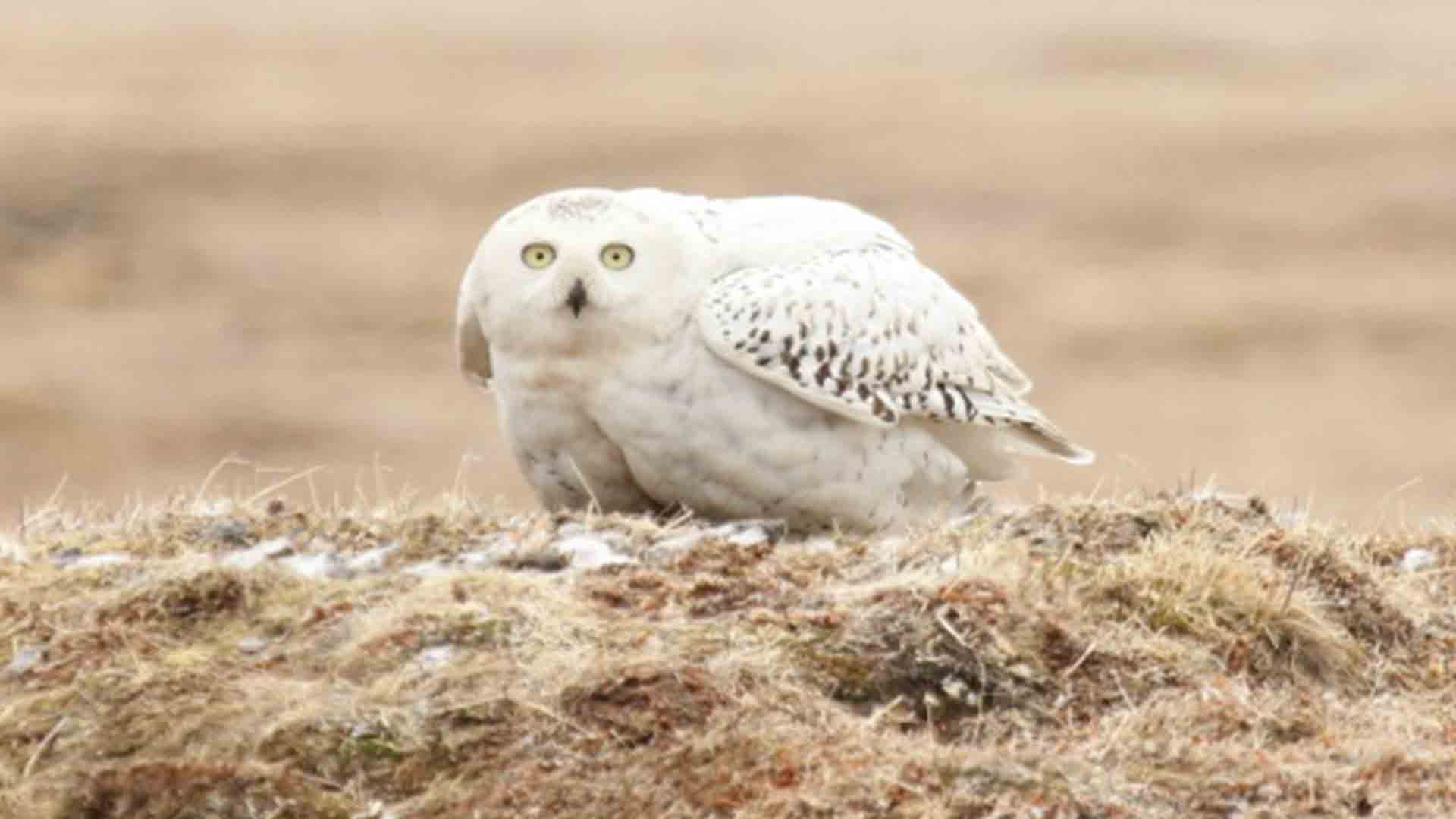
The Arctic tundra, a vast and windswept expanse of ice and stone, is a realm of stark beauty and fragile balance. Here, beneath the eternal glow of the midnight sun or the eerie dance of the aurora borealis, the snowy owl reigns as a silent sentinel. These majestic birds, with their piercing golden eyes and snowy plumage, are not merely survivors of this harsh landscape—they are its guardians, weaving their lives into the rhythm of the Arctic’s seasons. Yet, as human presence encroaches upon their domain, their nesting sites face an insidious threat: disturbance. How can we, as stewards of this planet, shift our perspective and act with intention to safeguard these vulnerable ecosystems? The answer lies not in grand gestures, but in the quiet revolution of awareness, respect, and restraint.
The Barred Owl: The Controversial Invader
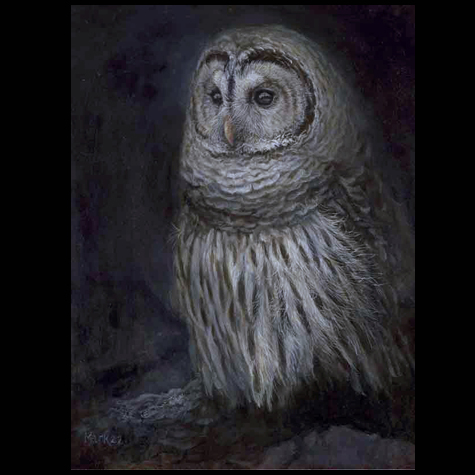
There’s a silent usurper in the night, a feathered sovereign whose haunting calls echo through ancient woodlands like a whispered secret. The barred owl, with its soulful eyes and striped plumage, has long been a creature of mystery—until now. Once confined to the dense forests of the East, this enigmatic bird has begun an audacious expansion, rewriting the rules of the natural world. But is this shift a triumph of adaptability or a harbinger of ecological upheaval? The barred owl’s story is one of quiet rebellion, a tale of survival that forces us to question what we think we know about wilderness and dominance.
The Future of the Spotted Owl: Can We Bring It Back from the Brink?

The spotted owl, a creature of dappled shadows and whispered forest lore, stands at the precipice of an uncertain future. Once a symbol of untouched wilderness, its existence now teeters between survival and extinction. As we peer into the dense canopies where these birds once thrived, a pressing question emerges: Can we reverse the tide of decline and restore the spotted owl to its rightful place in the ecosystem? This narrative explores the multifaceted challenges and potential pathways to redemption for this enigmatic species.
Owls in Medieval Europe: Omens of Doom or Guardians of Knowledge?
The night descends upon medieval Europe like a velvet shroud, and with it emerges a creature of paradox—neither beast nor spirit, but a silent sentinel perched upon the gnarled branches of time. The owl, with its golden gaze and feathered cloak, has long been both revered and reviled, a living paradox woven into the fabric of folklore, superstition, and scholarly pursuit. Was it a harbinger of death, a whisperer of doom, or perhaps the keeper of arcane wisdom, its hoots echoing through the dark as the voice of forgotten gods? To understand the owl in medieval Europe is to peer into the duality of human perception—where fear and fascination intertwine like ivy around a crumbling tower.
The Role of Indigenous Communities in Spotted Owl Conservation
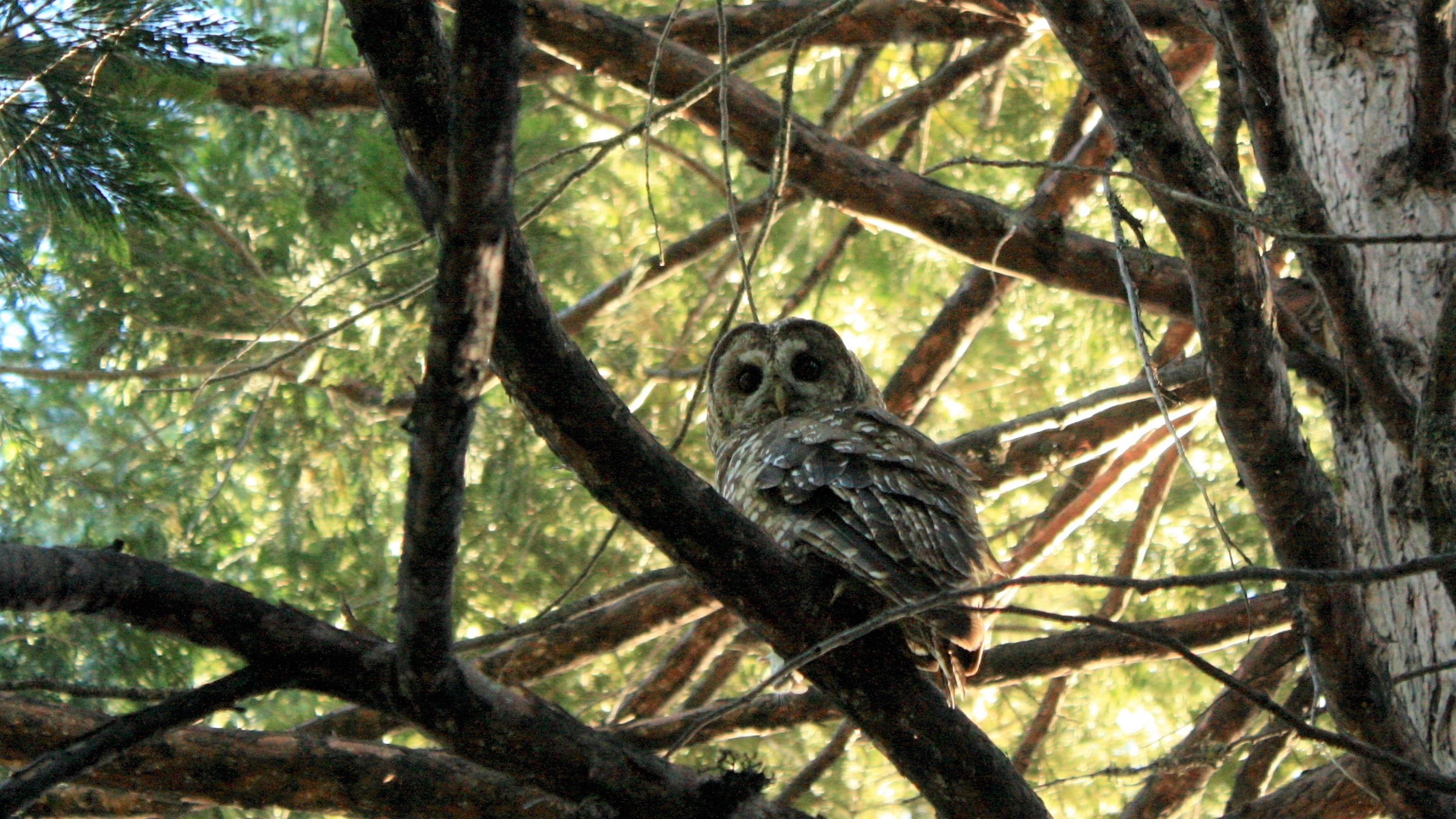
The story of the spotted owl is entwined deeply with the forests it inhabits and the communities that have flourished alongside these ecosystems for millennia. Indigenous peoples, custodians of the land since time immemorial, have played an indispensable role in the conservation of this elusive bird. Their traditional knowledge, cultural reverence, and proactive stewardship illuminate a path of hope amid environmental uncertainty. This article explores the multifaceted contributions of Indigenous communities to spotted owl conservation, revealing a profound symbiosis between human and nature that transcends conventional conservation narratives.
How Disease Is Affecting Snowy Owl Populations
In the vast, frostbitten wilderness where the snowy owl reigns as an ethereal sentinel of the Arctic night, an insidious threat creeps silently beneath the pristine veneer of their iconic plumage. Disease, invisible and relentless, weaves through populations like a spectral thread unraveling the delicate tapestry of their existence. These majestic birds, with eyes like molten gold and wings that mimic drifting snowflakes, are confronting an extraordinary challenge that transcends mere survival—it is a battle for the very essence of their wild identity.
How Legal Protections Helped the Snowy Owl Rebound
The Snowy Owl, that ghostly sentinel of the Arctic tundra, has long been a symbol of wild, untamed beauty. Yet, for much of the 20th century, this majestic bird teetered on the edge of oblivion—not from the harshness of its frozen domain, but from the relentless encroachment of human ambition. Today, however, a remarkable transformation is underway. Once a species in freefall, the Snowy Owl is staging a quiet but profound comeback. The catalyst? A web of legal protections, woven with both precision and passion, that has redefined humanity’s relationship with the natural world. This is not merely a story of conservation; it is a testament to how deliberate action can rewrite the fate of a species. It challenges us to reconsider what we owe to the wild—and what the wild might owe to us.
Climate-Driven Habitat Loss: The #1 Threat to Snowy Owl Survival
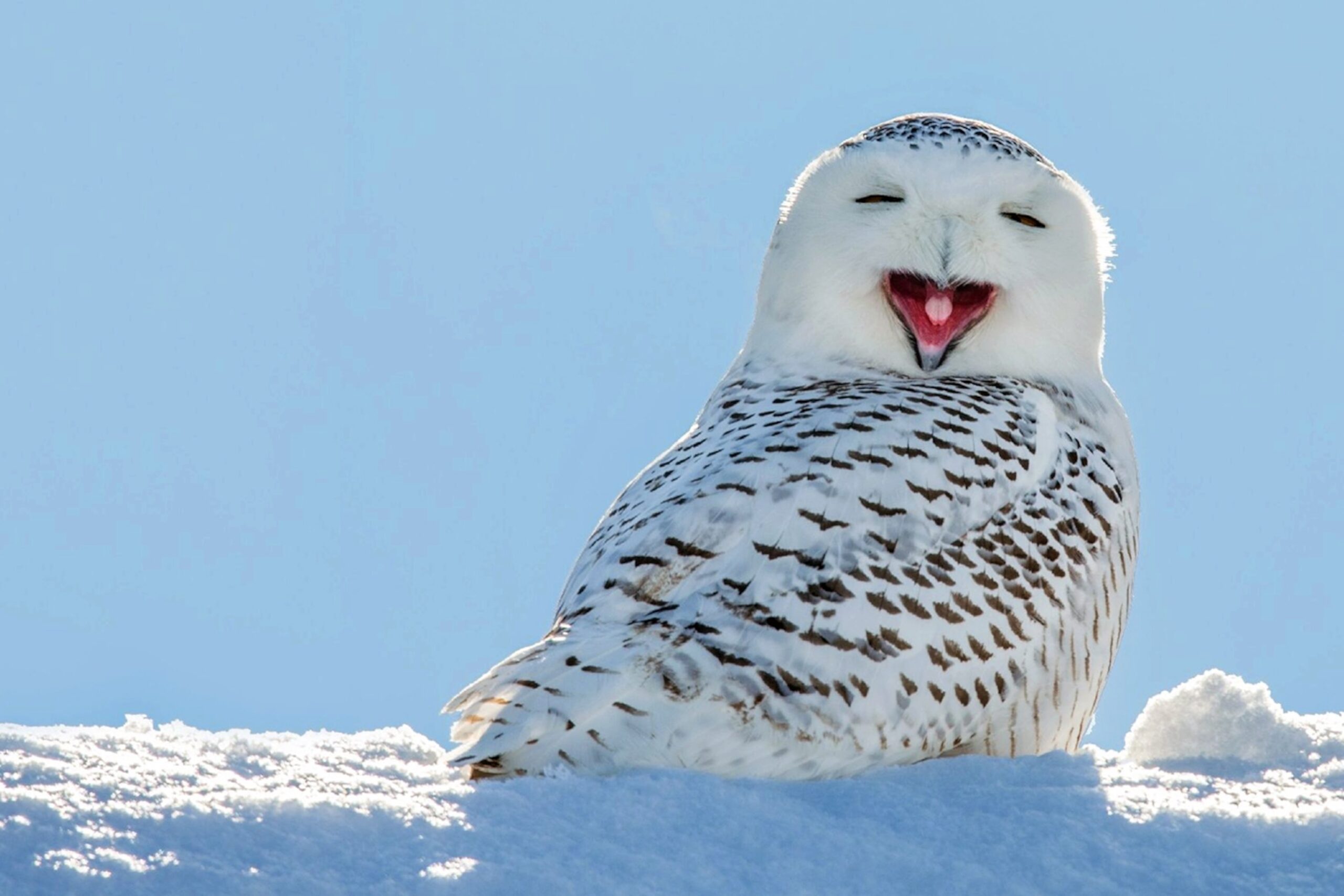
The Arctic tundra, a vast and seemingly desolate expanse, is a battleground of survival. Here, the snowy owl, a regal apex predator, reigns supreme—until now. Once a symbol of unyielding resilience, this majestic bird now faces an existential crisis. Climate change, the silent architect of habitat loss, is eroding the fragile ecosystems that sustain it. The snowy owl’s story is not just one of ecological decline; it is a narrative of human-induced disruption, where every melting ice sheet and shifting snowline chips away at the foundations of its existence. This is not merely an environmental concern—it is a feminist issue, a matter of intergenerational justice, and a stark reminder of our collective failure to protect the vulnerable. The snowy owl’s plight is a mirror held up to humanity, reflecting the consequences of unchecked greed and shortsightedness.
How to Engage Arctic Communities in Snowy Owl Conservation Efforts
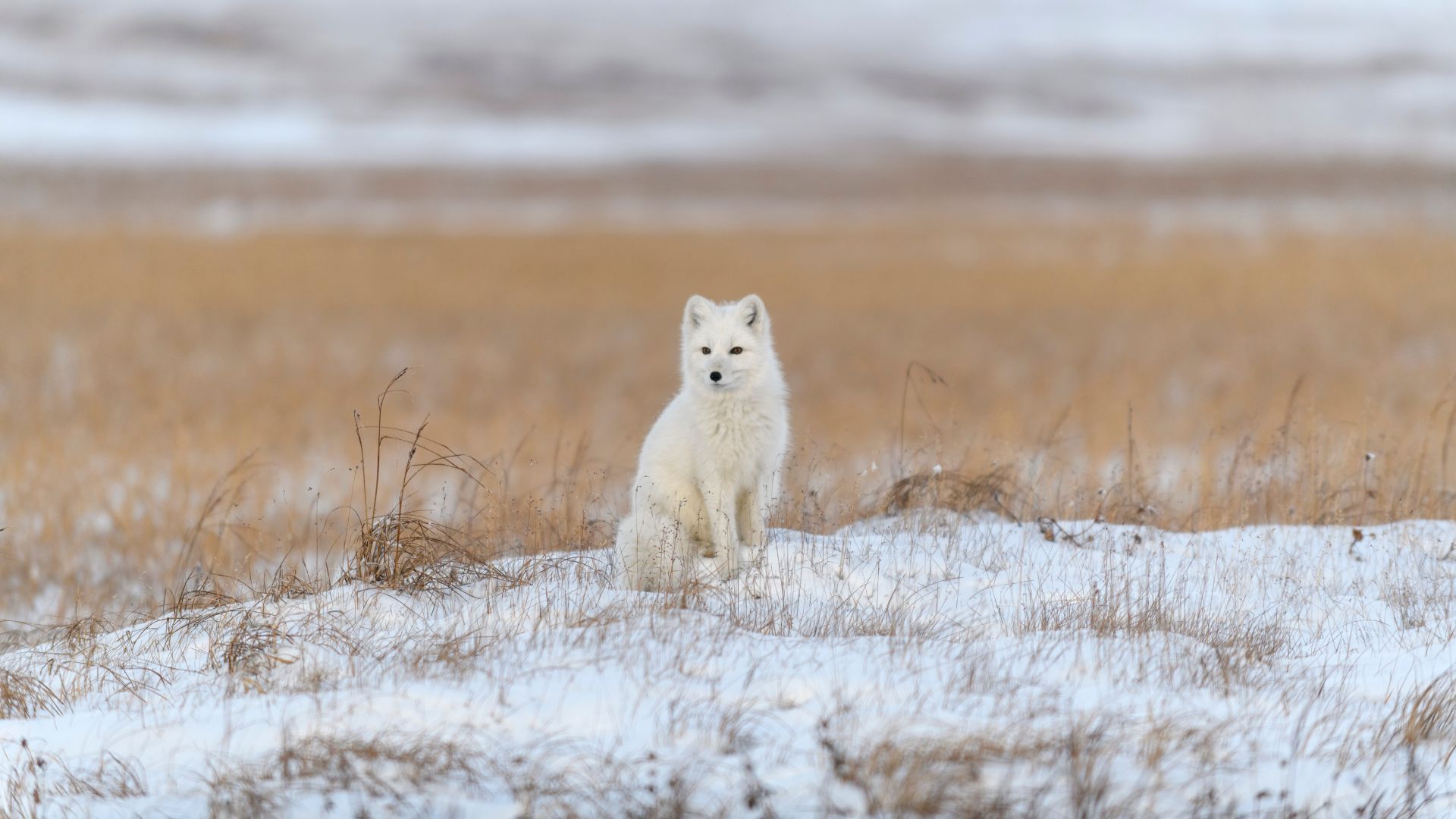
The Arctic, a vast and breathtaking expanse of ice and tundra, is home to one of nature’s most enigmatic creatures: the snowy owl. With its pristine white plumage and piercing golden eyes, this apex predator embodies the resilience and mystery of the polar wilderness. Yet, as climate change reshapes its habitat and human encroachment alters its domain, the snowy owl faces an uncertain future. Engaging Arctic communities in its conservation is not just a necessity—it is a moral imperative. These communities, deeply intertwined with the land and its rhythms, hold the key to sustainable coexistence. Their wisdom, traditions, and stewardship can illuminate pathways to protect the snowy owl while honoring their own cultural heritage. This article explores how to foster meaningful collaboration, blending indigenous knowledge with modern conservation strategies to ensure the survival of this magnificent species.