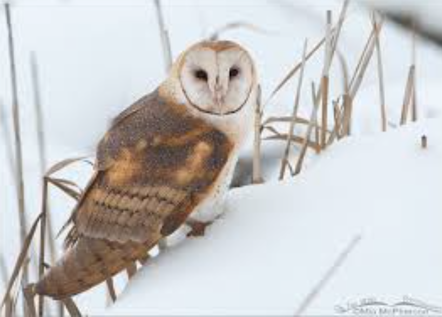
The first time I saw an owl perched on a gnarled oak branch, silhouetted against a moonlit sky, I understood why ancient cultures revered these birds as omens of wisdom. Their silent flight, their piercing gaze—it felt like witnessing a secret passed down through millennia. But now, that secret is under threat. Not from hunters or habitat loss alone, but from something far more insidious: the creeping, relentless shift in Earth’s climate. Climate change isn’t just melting glaciers or scorching forests—it’s rewriting the biological clock of one of nature’s most enigmatic predators. And if we don’t pay attention, the consequences will ripple far beyond the silent wings of owls.
The Unseen Metronome: How Climate Change Disrupts the Owl’s Internal Calendar
Owls are creatures of rhythm. Their breeding seasons are finely tuned to the Earth’s natural cycles—temperature shifts, prey abundance, and daylight duration act as invisible conductors orchestrating their reproductive symphony. But as the planet warms, these conductors are losing their tempo. Spring, once a predictable crescendo of warmth, now arrives erratically. In some regions, it’s arriving too early; in others, it’s lingering too long. For owls like the barn owl, whose breeding is triggered by the first warm spells, this unpredictability is a disaster. A late frost can wipe out a clutch of eggs. An early thaw might leave chicks without the voles and mice they depend on. The owl’s internal calendar, honed over millennia, is now out of sync with the world it evolved in.
Consider the tawny owl of Europe. Researchers have documented a staggering 14-day shift in its breeding window over the past three decades—a direct response to milder winters. But here’s the paradox: while some owls are breeding earlier, others, like the boreal owl in North America, are delaying reproduction because their prey (lemmings and voles) are disappearing in warmer, drier conditions. The result? A fragmented, chaotic breeding landscape where some owls thrive while others starve. Nature abhors a vacuum, but it also abhors a mismatch—and climate change is forcing owls into one.
The Prey Paradox: When the Buffet Closes Early
Owls are opportunists, but even opportunists have limits. Their breeding success hinges on a delicate balance: the timing of their nesting must align with the peak abundance of their prey. When that balance is disrupted, the consequences are dire. Take the snowy owl, a bird of the Arctic tundra. Traditionally, these owls time their breeding to coincide with the lemming population explosion—a smorgasbord of small mammals that ensures a steady food supply for their chicks. But as Arctic temperatures rise, lemming cycles are collapsing. Some years, there are too few lemmings. Other years, the snow melts too early, leaving lemmings exposed to predators before they can reproduce. The snowy owl’s once-reliable feast is now a gamble.
Even in temperate zones, the story is the same. Warmer winters mean that small mammals like mice and voles are breeding earlier, but their populations are also more volatile. A sudden cold snap can decimate them, leaving owl chicks to starve. Meanwhile, in drought-stricken regions, the insects and amphibians that some owl species rely on are vanishing. The owl’s hunting grounds, once a reliable pantry, are now a shifting landscape of scarcity. It’s as if the Earth itself has decided to play a cruel trick on these nocturnal hunters—offering them a banquet one day and shutting the doors the next.
The Silent Wings of Extinction: Which Owl Species Are Most at Risk?
Not all owls will suffer equally. Some may adapt, their populations fluctuating but persisting. Others, however, are on the brink of a silent extinction—one that won’t make headlines but will leave gaping holes in ecosystems. The burrowing owl, a ground-nesting species of the Americas, is particularly vulnerable. Its breeding season is tied to the availability of rodent burrows, which are increasingly flooded by rising groundwater levels in a warming world. Meanwhile, the spotted owl of the Pacific Northwest faces a double threat: habitat loss compounded by climate-driven shifts in its prey base. As the forests it depends on dry out and its primary food source, the northern flying squirrel, declines, the spotted owl’s future grows ever more precarious.
Then there’s the barn owl, a bird of open farmlands and meadows. Its ghostly white plumage and eerie calls have made it a symbol of both beauty and mystery. But in a world where extreme weather events are becoming the norm, the barn owl’s adaptability may not be enough. Floods, droughts, and unseasonal storms can destroy nests, while erratic prey availability leaves chicks malnourished. The barn owl’s once-widespread range is now fragmenting, its populations dwindling in areas where it was once common. It’s a slow-motion tragedy, unfolding in the shadows of our changing world.
The Domino Effect: How Owl Declines Reshape Entire Ecosystems
The loss of owls isn’t just a tragedy for owl lovers—it’s an ecological catastrophe waiting to happen. Owls are apex predators, the silent regulators of their environments. They control rodent populations, preventing overgrazing and the spread of diseases like hantavirus. They also serve as prey for larger predators, maintaining the balance of the food web. When owls disappear, the ripple effects are profound. Rodent populations explode, devastating crops and spreading disease. Predators like foxes and coyotes, deprived of their usual prey, turn to livestock, increasing human-wildlife conflict. The ecosystem, once a finely tuned machine, begins to sputter and stall.
Consider the case of the great horned owl in North America. As climate change alters the distribution of its prey, this adaptable predator is expanding its range, encroaching on the territories of smaller owls like the barred owl. The result? Increased competition, hybridization, and the displacement of species ill-equipped to compete. It’s a brutal reminder that in nature, there are no true winners in a climate crisis—only survivors, and those who are left behind.
Can Owls Adapt—or Are We Witnessing the End of an Era?
The question lingers like a shadow at dusk: Can owls adapt to this new world, or are we witnessing the twilight of an ancient lineage? Some species may find refuge in microclimates—higher elevations, cooler forests, or urban areas where artificial lighting and heat sources create pockets of stability. Others may evolve, their breeding cycles shifting in response to warmer temperatures. But evolution is a slow process, and climate change is moving at a breakneck pace. For many owls, adaptation may not be enough.
Yet there is hope. Conservationists are working to create owl-friendly habitats, planting native vegetation, installing nest boxes, and restoring wetlands. Citizen science projects, like nest monitoring and prey surveys, are providing critical data to help scientists understand how owls are responding to change. And perhaps most importantly, the growing awareness of climate change’s impact on wildlife is pushing policymakers to take action. If we act swiftly, we may yet buy these silent hunters the time they need to survive.
The owl’s story is a mirror held up to our own. It reminds us that the natural world is not a static backdrop but a living, breathing entity—one that is deeply interconnected with our own fate. As the climate shifts, so too must our relationship with the creatures that share this planet. The question is no longer whether we can save the owls, but whether we will choose to. The silent wings of the night are waiting for an answer.