Have you ever wondered how a tiny, feathered detective could revolutionize the way we understand the nocturnal world? Enter the realm of citizen science apps—where every owl hoot, every wing flap, and every curious glance becomes a piece of a grander puzzle. These digital tools are not just transforming owl research; they’re rewriting the rules of wildlife conservation, one citizen scientist at a time.
The Dawn of Digital Fieldwork: How Citizen Science Apps Are Changing the Game
Gone are the days when owl research relied solely on solitary ornithologists armed with binoculars and notebooks. Today, a global network of amateur naturalists, armed with nothing more than a smartphone, is reshaping the landscape of fieldwork. Citizen science apps like OwlWatch and NightHoot have turned passive observers into active contributors, democratizing data collection in ways previously unimaginable. These platforms allow users to log owl sightings, record calls, and even upload photographs, creating a real-time tapestry of owl activity across continents. The result? A treasure trove of data that researchers once could only dream of accessing.
But here’s the twist: while these apps empower individuals, they also introduce a delightful chaos. Not all owl enthusiasts are created equal. Some might misidentify a barn owl for a snowy owl, while others could confuse a distant car engine for the hoot of a great horned owl. The challenge isn’t just collecting data—it’s ensuring its accuracy. How do we sift through the noise to find the signal? The answer lies in the very design of these apps, which often incorporate peer-review systems, AI-assisted identification, and gamified challenges to refine the quality of submissions.
The Symphony of Citizen Science: Listening to Owls in the Digital Age
Owls are the maestros of the night, their calls echoing through forests like a haunting symphony. But capturing this auditory magic isn’t easy. Enter audio-recording apps like EchoHoot, which transform smartphones into high-fidelity sound recorders. Users can now document owl vocalizations with precision, uploading them to databases where algorithms analyze pitch, duration, and frequency. Researchers use this data to track population trends, identify new subspecies, or even detect the subtle shifts in owl dialects that might hint at environmental changes.
Yet, the challenge here is as poetic as it is practical. Owls are elusive. Their calls can be drowned out by the hum of a passing car or the chirp of a cricket. What if a citizen scientist’s recording is marred by wind noise or a poorly placed microphone? The app might flag it as “unusable,” but could that recording still hold a whisper of valuable data? The answer is a resounding yes. Machine learning models are now being trained to isolate owl calls from background noise, turning what was once discarded as static into a potential goldmine of information. The lesson? Even the messiest data can sing if we listen closely enough.
From Backyard to Backcountry: Mapping Owl Habitats with Crowdsourced Data
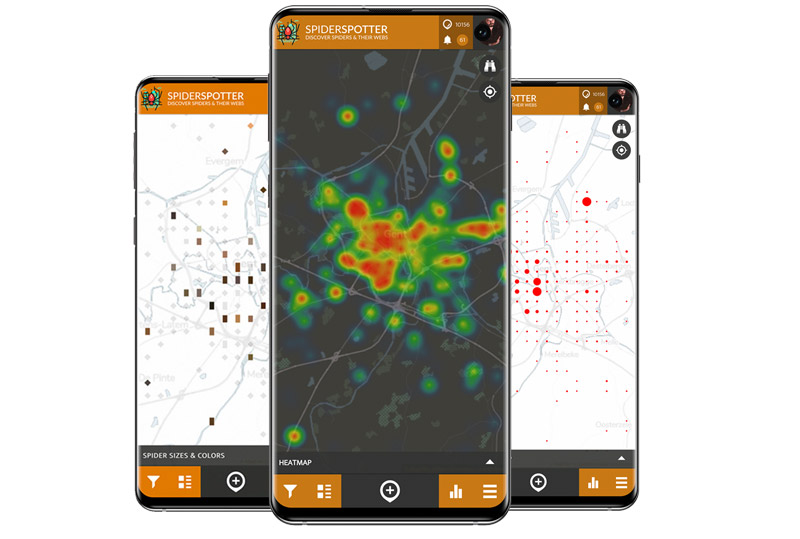
Imagine a map where every pin represents an owl sighting, every cluster a hotspot of nocturnal activity. Citizen science apps like OwlMapper are making this a reality, allowing users to plot owl sightings with GPS precision. These maps aren’t just pretty visualizations—they’re tools for conservation. Researchers can identify critical habitats, track migration patterns, and even predict how climate change might alter owl territories. But here’s where it gets interesting: what if a citizen scientist reports an owl in a place where owls have never been recorded before? Is it a rare vagrant, a misidentification, or a sign of an expanding population?
The challenge is one of context. Without additional data—such as habitat type, time of year, or corroborating sightings—an isolated report can be misleading. That’s why many apps now encourage users to provide detailed notes, photographs, or even short videos. The more context, the better. Yet, even with these safeguards, the occasional “phantom owl” slips through the cracks. Is it a case of mistaken identity, or is the owl simply playing hide-and-seek? The beauty of citizen science is that it embraces the unknown, turning every anomaly into an opportunity for discovery.
The Human Factor: Why Citizen Science Isn’t Just About Data
At its core, citizen science is about people. It’s about the retiree who spends her evenings tracking barred owls in her backyard, the student who stumbles upon a rare owl roost during a school project, or the family who turns a weekend hike into an owl-spotting adventure. These aren’t just data points—they’re stories. And stories have power. They create emotional connections to wildlife, fostering a sense of stewardship that no spreadsheet ever could.
But the human element also introduces challenges. Not everyone has the time, resources, or patience to contribute consistently. Some regions lack the infrastructure to support widespread participation, leaving gaps in the data. And then there’s the issue of equity—how do we ensure that citizen science isn’t just a hobby for the privileged few? The answer lies in accessibility. Apps are being designed with offline capabilities, multilingual interfaces, and low-bandwidth options to reach remote communities. The goal? To make owl research as inclusive as the night sky itself.
The Future of Owl Research: A Crowdsourced Night Sky
The next frontier of owl research isn’t just about collecting more data—it’s about making that data smarter. Artificial intelligence is already being integrated into citizen science apps, helping to automate species identification, predict owl activity based on weather patterns, and even simulate the impact of deforestation on owl populations. But the real magic happens when humans and machines collaborate. Imagine an app that not only logs an owl sighting but also suggests nearby conservation efforts, connects users with local researchers, or even alerts them to owl-related events in their area.
The challenge, of course, is keeping up with the pace of innovation. As apps evolve, so do the expectations of users. They want real-time feedback, interactive maps, and a sense of community. They want to feel like they’re part of something bigger than themselves. And they are. Every owl hoot recorded, every habitat mapped, every misidentification corrected is a thread in the fabric of a new kind of science—one that’s collaborative, adaptive, and endlessly curious.
So, the next time you hear an owl’s call echoing through the night, ask yourself: Could you be the one to help unravel its secrets? With a citizen science app in hand, the answer might just be a tap away.