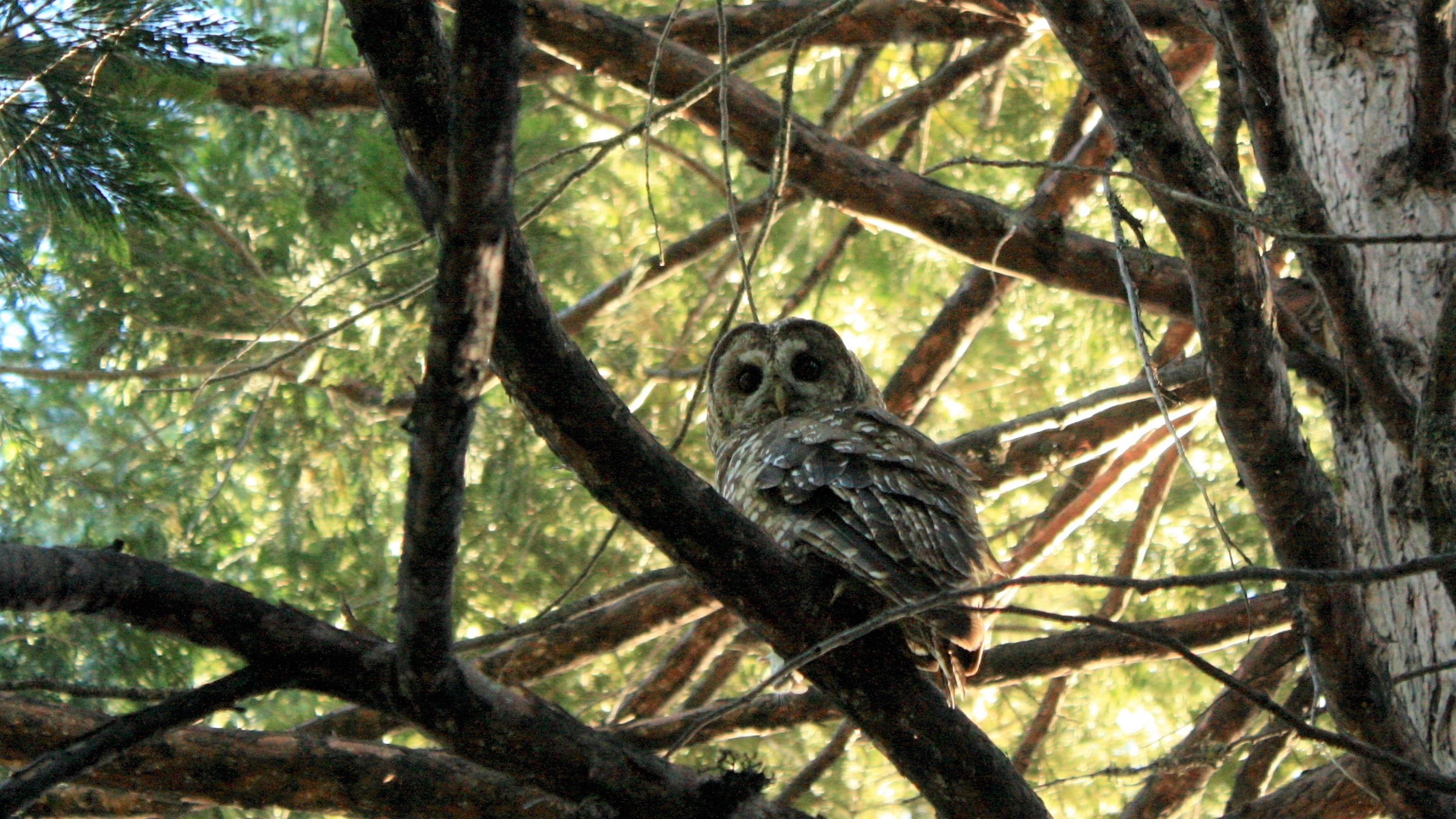
What if a single frame could shift the trajectory of an entire species’ survival? Documentaries, those mesmerizing tapestries of light and sound, have long been the unsung heroes of conservation, whispering truths into the ears of the world with the power of a thousand megaphones. Nowhere is this more evident than in the realm of spotted owl advocacy, where the lens of a camera has become as vital as the wings of the owls themselves. These feathered sentinels, cloaked in mottled brown and white, have found an unlikely ally in filmmakers—storytellers who wield their craft not just to entertain, but to ignite revolutions. But how exactly do documentaries reshape the fate of these elusive birds? And what challenges lurk in the shadows, threatening to dim the spotlight before the message can take flight?
The Alchemy of Empathy: How Documentaries Humanize the Unseen
At the heart of every great documentary lies a simple, yet profound alchemy: the transformation of the unfamiliar into the intimate. Spotted owls, those nocturnal phantoms of the old-growth forests, are not creatures most humans encounter in their daily lives. They are silent, swift, and shrouded in the kind of mystery that breeds indifference—or worse, fear. Yet, documentaries dismantle these barriers with the precision of a surgeon’s scalpel. By capturing the owls in their natural habitat, filmmakers invite viewers into a world they might never otherwise glimpse. The result? A sudden, visceral connection.
Consider the way a documentary lingers on the tender moments between an owl and its chick, the way the parent’s talons cradle its young with a delicacy that belies its predatory nature. Or the haunting beauty of a barred owl’s call echoing through a forest, a sound that becomes a symphony when paired with the right narrative. These are not just images; they are emotional bridges. They compel audiences to see the spotted owl not as a distant statistic, but as a living, breathing entity deserving of protection. In this way, documentaries do more than inform—they convert. They turn passive observers into ardent advocates, arming them with the knowledge and passion to demand change.
The Amplification Effect: When Stories Become Movements
Documentaries are not merely vessels of information; they are amplifiers of outrage and hope. When a film like Saving the Spotted Owl (hypothetical, for illustration) premieres at a major festival, it doesn’t just play in a theater—it reverberates through social media, policy debates, and grassroots campaigns. The impact is exponential. A single documentary can reach millions, but its true power lies in its ripple effect. Viewers don’t just watch; they share, they discuss, they organize. They write letters to legislators, donate to conservation groups, and plant trees in their backyards to restore habitats.
Yet, this amplification is a double-edged sword. The same platforms that catapult a documentary into the cultural zeitgeist can also distort its message. Algorithms favor sensationalism over subtlety, and in the race for engagement, nuance often falls by the wayside. A documentary that aims to highlight the plight of the spotted owl might inadvertently reduce its story to a simplistic narrative of “good vs. evil”—loggers vs. owls, progress vs. preservation. This oversimplification risks alienating audiences who might otherwise be sympathetic but are put off by the perceived extremism. The challenge, then, is to craft narratives that are both compelling and complex, stories that acknowledge the humanity of all stakeholders while steadfastly advocating for the owls.
The Paradox of Visibility: When the Spotlight Becomes a Target
There is a cruel irony in the power of visibility. For the spotted owl, being featured in a documentary is both a blessing and a curse. On one hand, it shines a light on the urgent need for habitat protection. On the other, it can turn the owl into a target—not just for poachers or developers, but for the very forces of capitalism that seek to exploit its habitat. The more famous the owl becomes, the more it becomes a symbol—and symbols are dangerous things in the eyes of those who profit from exploitation.
This paradox is not unique to the spotted owl. It is the same tension that arises when endangered species like the vaquita or the Sumatran tiger become the faces of conservation campaigns. The more they are celebrated, the more they are commodified. Poachers may target them for the black market; developers may lobby to clear their habitats under the guise of “economic necessity.” The challenge for documentary filmmakers is to strike a balance: to make the owl visible enough to inspire action, but not so visible that it becomes a liability.
The Role of Science in Storytelling: When Data Meets Drama
Documentaries thrive on drama, but conservation is often a slow, methodical process. How do filmmakers reconcile the need for compelling storytelling with the reality of scientific research? The answer lies in the art of narrative alchemy—the process of transforming raw data into a story that resonates. A documentary might open with a statistic: “Spotted owl populations have declined by 40% in the last decade.” But it’s the image of a biologist cradling a fledgling, its wings still too weak for flight, that lingers in the mind. The data provides the urgency; the story provides the heart.
Yet, this marriage of science and storytelling is not without its pitfalls. Misrepresenting data—whether through oversimplification or outright fabrication—can erode trust in both the documentary and the conservation movement it supports. The challenge is to present the science accurately while still crafting a narrative that grips the audience. It’s a delicate dance, one that requires filmmakers to be both artists and scholars, wielding their cameras with the precision of a scientist and the soul of a poet.
The Future of Advocacy: Can Documentaries Keep Pace with Crisis?
The spotted owl is not just fighting for survival; it is fighting against time. Climate change, habitat destruction, and invasive species are all accelerating the decline of its populations. In this context, documentaries must evolve. They can no longer be static, one-off productions; they must become dynamic, ongoing campaigns. Interactive documentaries, where viewers can explore different scenarios and outcomes, could be the next frontier. So too could virtual reality experiences, which immerse audiences in the owl’s world in a way that traditional film cannot.
But even these innovations may not be enough. The greatest challenge facing documentary filmmakers is the sheer scale of the crisis. The spotted owl is just one species among thousands facing extinction. How can a single film compete with the noise of a world bombarded by bad news? The answer may lie in the power of community. Documentaries can serve as the spark, but it is the communities they inspire—the activists, the scientists, the everyday citizens—that will keep the fire burning. The future of spotted owl advocacy depends not just on the stories we tell, but on the actions we take after the credits roll.