Imagine a wintry landscape painted pure and white, where the regal snowy owl takes center stage—a phantom of the Arctic night, master of silence and snow. But what happens when the frost begins to wane, and the ice retreats like a shy specter? Could these majestic birds, adapted so cleverly to the cold, find their very survival and success in breeding imperiled by a world growing steadily warmer? This isn’t a mere riddle; it’s a pressing ecological puzzle with poignant consequences. The rising temperatures of our planet ripple through the Arctic’s fragile ecosystem, casting a long shadow over the breeding success of snowy owls, forcing them to adapt, struggle, or falter.
Delicate Balance: The Arctic’s Vulnerable Ecosystem
The snowy owl’s breeding cycle is intricately intertwined with the rhythms of the Arctic environment, a realm where seasonal extremes dictate the tempo of life. Traditionally, frigid winters followed by brief, intense summers create a narrow window where breeding and chick-rearing can occur. The tundra’s pulse — its prey populations, weather patterns, and vegetative cycles — synchronizes perfectly with the owl’s reproductive timetable. However, this balance teeters on the brink as rising global temperatures distort these patterns. A subtle shift in temperature can delay snowmelt, precipitate unseasonable thawing, or provoke erratic storms, each of which can wreak havoc on the breeding grounds. The pristine white canvas on which snowy owls depend is shifting, gradually but relentlessly, and with it, the fate of their offspring.
The Prey Puzzle: When Voles Disappear
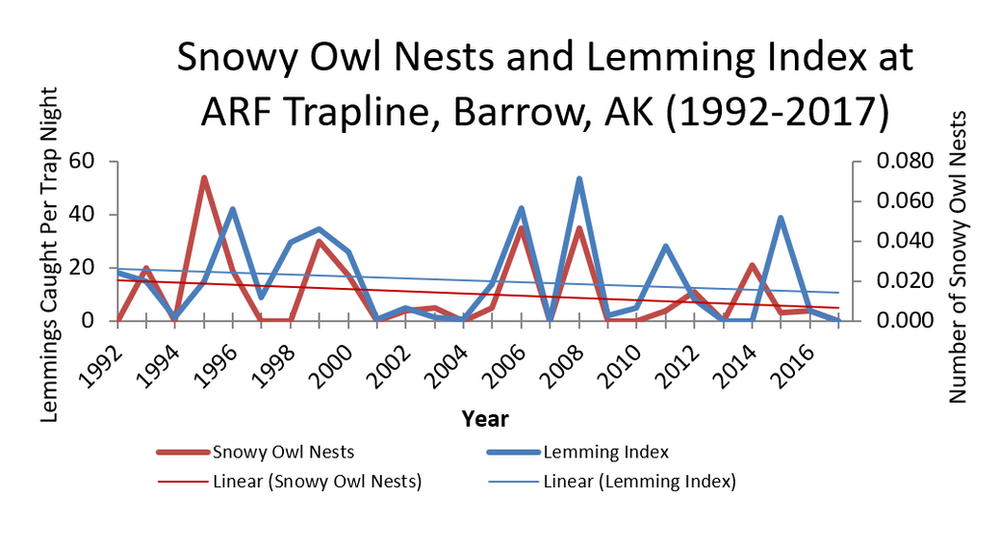
Snowy owls are voracious hunters, but their success hinges on an unlikely hero: the tundra vole. These small rodents constitute the primary food source during breeding seasons. Typically, snowy owls capitalize on vole population booms — cyclical surges that yield abundant meals for hungry chicks. But rising temperatures are skewing these vole cycles. Warmer winters and altered precipitation patterns disrupt vole reproduction and survival, leading to erratic, often diminished populations. An insufficient prey base means hungry owl parents face dire choices: fewer eggs laid, more frequent nest failures, and increased chick mortality. This prey scarcity is more than a temporary inconvenience; it is a bottleneck that constrains snowy owl population growth and resilience.
Phenological Shifts: A Dance Out of Step
One of the most insidious impacts of rising temperatures is phenological mismatch—when the timing of biological events falls out of sync. Snowy owls have evolved to time egg-laying to coincide with peaks in prey availability and suitable weather conditions. However, as the climate warms, prey populations may peak earlier or later, and snow-free periods may alter unpredictably. When owlets hatch too early or too late relative to prey abundance, their survival rates plunge. Moreover, warmer temperatures can advance vegetation blooms that influence microhabitats and insect populations, altering the entire Arctic food web. This temporal discord can result in dwindling fledgling success, undermining what was once a reliable reproductive strategy honed over millennia.
Nesting Grounds in Flux: Habitat Alteration and Its Consequences
The snowy owl’s choice of nesting sites is far from arbitrary; dry, elevated terrains with minimal vegetation cover offer strategic vantage points and protection from predators. Yet, as temperature rises, thawing permafrost and expanding shrubs are reshaping the very landscape these birds depend upon. Increased shrub encroachment changes the microclimate around nests, potentially exposing eggs and chicks to new predators or harsher weather conditions. Moreover, moisture shifts can render certain traditional territories unsuitable for nesting altogether. The subtle metamorphosis of the Arctic’s terrain thus presents not only a physical but ecological challenge, forcing snowy owls to either adapt or find new breeding grounds—both daunting prospects amid accelerating climate change.
Energy Expenditure and Parental Investment: A Heightened Struggle
Breeding is a marathon of energy for snowy owls. Parents must not only incubate eggs through prolonged Arctic cold but also provide relentless sustenance to chicks hungry beyond measure. Rising temperatures bring a paradoxical dilemma—warmer conditions might alleviate some thermoregulatory burdens, but the scarcity of prey forces greater foraging effort. Lengthier hunting trips and increased competition for food escalate energy expenditure, often tipping the cost-benefit scales unfavorably. Exhausted parents risk reduced incubation attentiveness or delayed feeding, which imperils chick viability. The very act of breeding thus grows more arduous, a strenuous gambit where many nests fail before reaching the fledgling stage.
The Broader Implications: Snowy Owls as Climate Sentinels
The plight of the snowy owl extends beyond an isolated species narrative; it’s emblematic of the Arctic’s vulnerability under climate pressure. These birds function as sentinels, their breeding success signaling the health of the entire ecosystem. Declines in their reproduction forewarn cascading disturbances—from prey population collapses to vegetation shifts—that resonate throughout the polar biosphere. Each unsuccessful breeding season echoes an unraveling environmental tapestry, where delicate connections fray under warming forces. Protecting snowy owl breeding grounds and understanding the nuances of temperature-induced stressors thus represents not only a conservation imperative but a crucial part of monitoring planetary change.
Hope on the Horizon: Adaptation and Conservation Strategies
Despite the daunting challenges, snowy owls are resilient creatures with adaptive capacities—though not infinite. Scientists and conservationists are exploring interventions, from habitat preservation to mitigating human disturbances in critical breeding areas. Monitoring owl populations with advanced tracking technology helps reveal shifts in nesting behavior and breeding success rates, enabling targeted action. Moreover, broader climate action to curb greenhouse gas emissions remains vital to safeguarding the Arctic’s future. In the interplay between species and environment, the story of snowy owl breeding success amidst rising temperatures is still being written—its chapters dependent on our stewardship and understanding.
In the end, the question remains: can snowy owls rewrite the rules of survival in a heating world, or will their haunting calls fade amid a thawing tundra? The answer lies not just in natural resilience but in the collective will to protect the fragile beauty of the Arctic’s winter guardians.