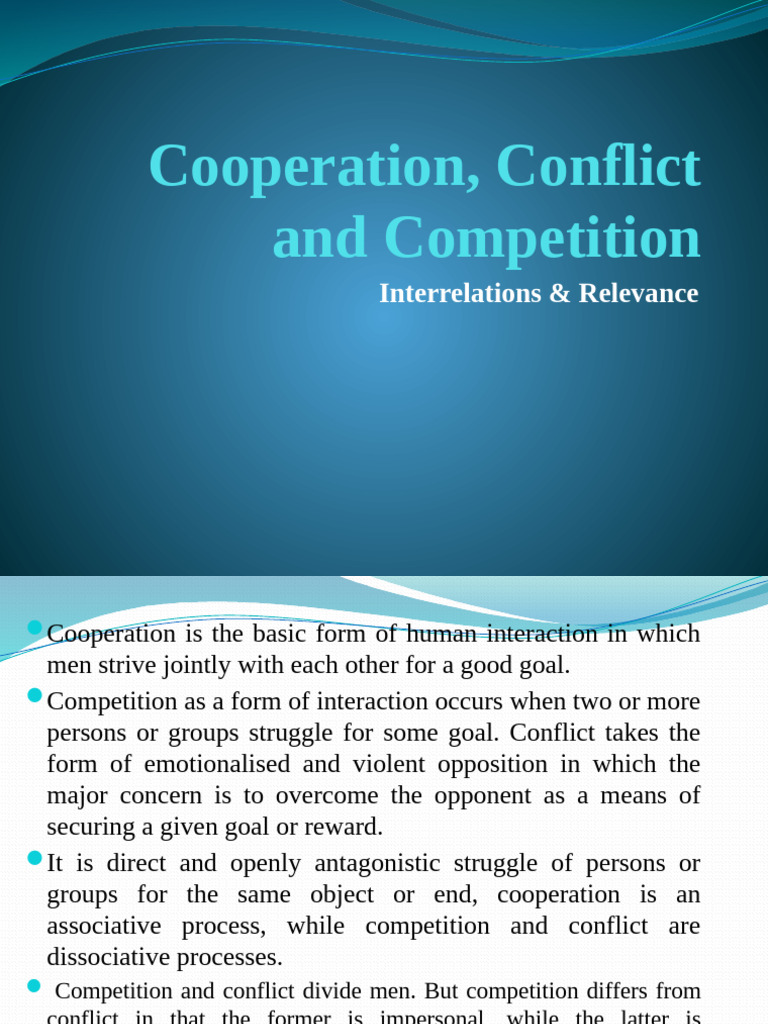
The night belongs to the owls—a realm where silence is not absence but a canvas for the unseen. These feathered sentinels, with their unblinking gaze and silent wings, navigate a world where survival is a delicate dance of stealth, strategy, and symbiosis. Among the shadows, they do not reign alone. They share the dark with other predators, each vying for dominance, each playing a role in the grand theater of the wild. The interactions between owls and their fellow hunters are a masterclass in nature’s contradictions: fierce competition clashing with unexpected cooperation, conflict erupting from necessity, and alliances forming in the unlikeliest of places. To understand the owls is to peer into the heart of these dynamics—a world where every screech, every silent descent, is a thread in the intricate tapestry of survival.
The Silent Sovereigns: Owls as Apex Ambushers
Owls are the architects of ambush, their very presence a whisper of impending doom for the unwary. With eyes like twin moons, they pierce the darkness, their hearing so acute they can pinpoint the rustle of a vole beneath a blanket of snow. Their feathers, fringed and soft, muffle the sound of their flight, allowing them to glide like ghosts through the night. This stealth is their weapon, their shield, their unspoken decree: the night is theirs to command. Yet, this sovereignty is not absolute. Other predators prowl the same shadows—foxes with their cunning, snakes with their patience, and fellow raptors with their own hunger. The owl’s domain is not a fortress but a contested frontier, where every creature stakes its claim through wit, strength, or sheer audacity.
Consider the tawny owl, a monarch of the European woodlands. Its territory is a kingdom of towering oaks and dense undergrowth, but it is not alone. Martens, those weasel-like bandits, skulk through the same branches, their agility a match for the owl’s aerial prowess. The owl’s response? A calculated retreat, a shift in hunting grounds. It does not engage in futile battles; instead, it adapts, proving that true power lies not in brute force but in the ability to recalibrate. The night is a chessboard, and the owl plays the long game.
Competition: The Hunger That Binds, The Hunger That Divides
Competition is the invisible hand that shapes the owl’s world, a relentless force that pits predator against predator in a silent war for resources. Food is the currency of this conflict, and the stakes could not be higher. A single rodent, a plump mouse, a fledgling bird—these are the prizes that ignite the fiercest struggles. Owls, with their broad dietary range, often find themselves in direct competition with other nocturnal hunters. The barn owl, for instance, shares its hunting grounds with kestrels and even foxes, each vying for the same small mammals that scurry through the underbrush.
But competition is not merely a battle of teeth and talons. It is a battle of wits. Owls employ a repertoire of tactics to outmaneuver their rivals. Some, like the great horned owl, are territorial tyrants, driving smaller owls from their perches with relentless aerial assaults. Others, like the eastern screech owl, are masters of stealth, avoiding confrontation by hunting in the crevices of the night where larger predators dare not tread. The competition is fierce, but it is also a dance—a push and pull of dominance and submission that ensures no single predator monopolizes the resources of the dark.
Yet, even in the throes of competition, there is a strange harmony. The night is vast, and the prey is plentiful enough that direct conflict is often avoidable. Owls, like all predators, are opportunists. They take what they can, when they can, and move on. The competition is not a zero-sum game but a delicate balance, where every creature’s survival depends on the others’ restraint. It is a reminder that even in the wild, where the law is tooth and claw, there is room for coexistence.
Cooperation: The Unlikely Alliances of the Night
If competition is the shadow that looms over the owl’s world, cooperation is the unexpected light that pierces the darkness. In the realm of the night, where survival is a solitary endeavor, alliances are rare—but not impossible. Owls, it turns out, are not above forming uneasy truces with other predators, especially when the rewards outweigh the risks. One of the most fascinating examples of this is the relationship between owls and badgers. In some European landscapes, these two predators share a mutualistic bond, trading hunting grounds and even den sites. The owl, with its keen night vision, alerts the badger to the presence of prey, while the badger, with its powerful digging skills, flushes out burrowing rodents that the owl might otherwise miss.
This cooperation is not born of friendship but of mutual benefit. The owl gains access to prey it might otherwise struggle to catch, while the badger benefits from the owl’s ability to spot danger from above. It is a transaction, a silent pact between two creatures that would otherwise be adversaries. But such alliances are fragile, built on necessity rather than trust. A shift in prey availability, a change in territory, and the truce could shatter. Yet, in those fleeting moments of cooperation, we glimpse the intricate web of relationships that binds the natural world together.
Even among owls themselves, cooperation can emerge. Some species, like the burrowing owl, are known to form loose colonies, sharing nesting sites and even engaging in communal defense against larger predators. These colonies are not tight-knit communities but loose aggregations of individuals who tolerate one another’s presence out of convenience. Yet, in the harsh world of the night, convenience can be a lifeline. It is a testament to the owl’s adaptability, its willingness to bend the rules of solitude when the rewards are great enough.
Conflict: The Brutal Reality of the Hunt
Not all interactions between owls and other predators are peaceful. Conflict is an inevitable part of life in the wild, and the night is no exception. When resources are scarce, when territories overlap, or when pride is at stake, the peaceful coexistence of the dark can erupt into violence. Owls, despite their reputation as silent hunters, are not above engaging in brutal confrontations. The great horned owl, for instance, is known to attack and kill smaller owls, including its own kin, when food is scarce or when its dominance is challenged. These conflicts are not mere skirmishes but life-or-death struggles, where the loser may not live to see another dawn.
The conflict between owls and other predators is often a clash of titans. A red-tailed hawk, for instance, may challenge an owl for control of a prime hunting perch, leading to a midair duel of talons and screams. The outcome is uncertain, determined by strength, experience, and sheer luck. But even in defeat, the owl may not perish. It may retreat, lick its wounds, and bide its time, waiting for the next opportunity to reclaim its territory. Conflict, for the owl, is not the end but a part of the cycle—a reminder that the night is not a place for the weak.
Yet, conflict is not always physical. It can be psychological, a battle of wills where the owl’s mere presence is enough to deter a rival. A dominant owl may patrol its territory with a slow, deliberate flight, its hoots echoing through the trees like a warning. Other predators, sensing the owl’s authority, may choose to avoid the area altogether, ceding the hunt to the silent sovereign. In this way, conflict becomes a tool of control, a way for the owl to assert its dominance without ever raising a talon.
The Owl’s Paradox: Solitude and Sociability in the Night
The owl’s world is one of contradictions—a realm where solitude and sociability coexist in uneasy balance. On one hand, the owl is a solitary creature, a hunter who prefers the company of the night to the company of its own kind. On the other, it is a creature that thrives in the presence of others, whether as competitors, allies, or even reluctant partners. This paradox is the essence of the owl’s existence, a reflection of the natural world itself, where every creature must navigate the fine line between independence and interdependence.
The owl’s interactions with other predators are a microcosm of this duality. It is a creature that must fight for its place in the world, yet it must also find ways to coexist. It is a hunter that must adapt to the presence of rivals, yet it must also recognize the value of cooperation. In the end, the owl’s story is the story of all predators—a tale of survival, strategy, and the unending struggle to carve out a place in a world that is never truly yours alone.
The night belongs to the owls, but it is not a night of solitude. It is a night of whispers, of rustling leaves, of the silent descent of wings. It is a night where every creature, from the smallest mouse to the largest fox, plays a role in the grand drama of the wild. And in that drama, the owl stands as both sovereign and subject—a hunter, a survivor, and a testament to the enduring power of the night.