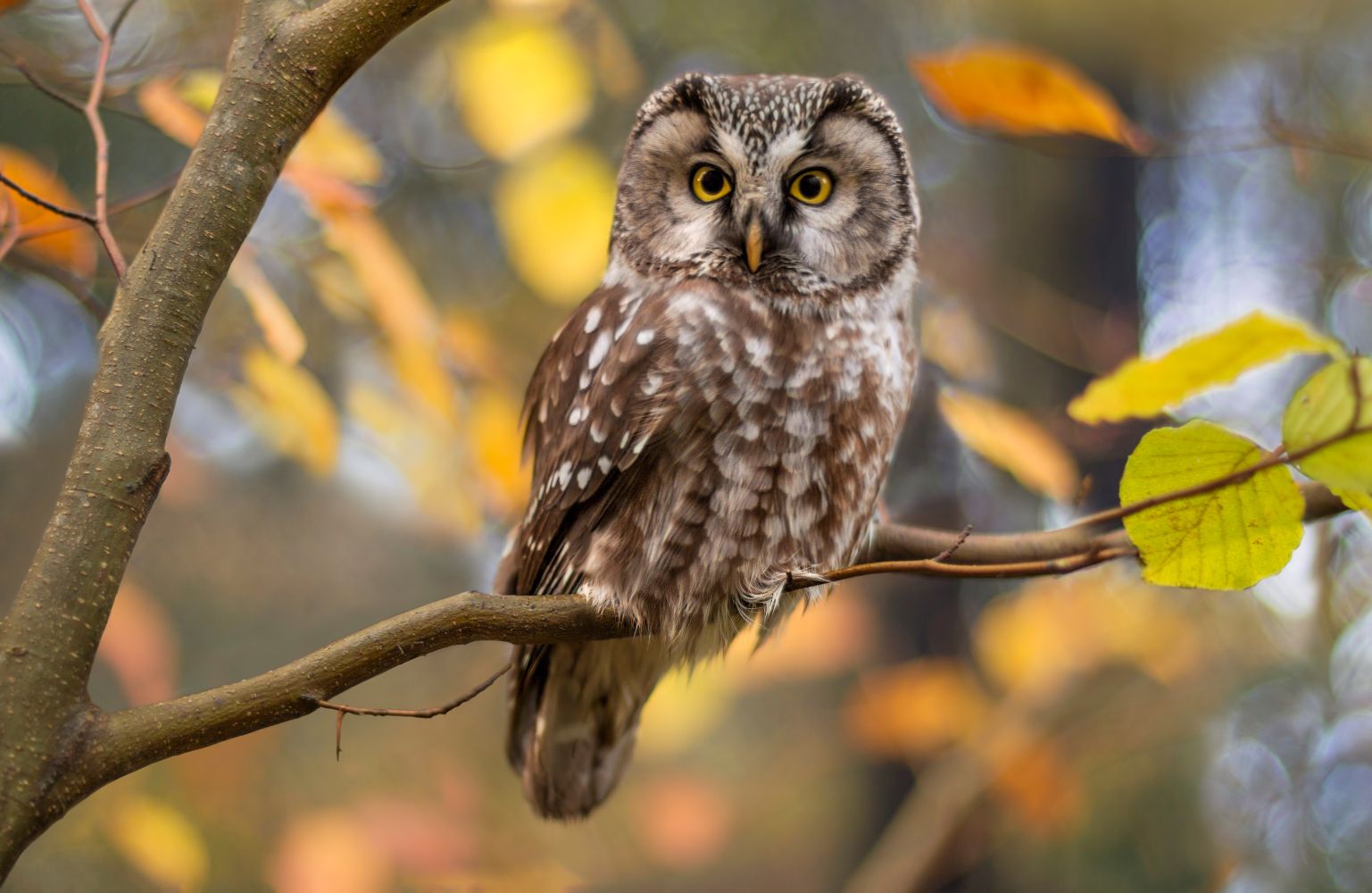
In the hidden tapestry of ecosystems, where every thread weaves a story of survival, owls emerge as unsung heroes of pollination services—though their role is often overshadowed by the more celebrated pollinators like bees and butterflies. These nocturnal sentinels, with their silent wings and piercing gaze, are not merely predators; they are architects of balance, sculpting the very conditions that allow pollination to thrive. Through their predatory prowess, owls exert a cascading influence on plant communities, indirectly fostering the proliferation of flora that depend on animal-mediated pollination. This intricate dance of predation and propagation reveals a symbiotic relationship that transcends the conventional narratives of pollination ecology.
The Silent Predators: Owls as Keystone Regulators of Ecosystem Dynamics
Owls occupy a unique ecological niche as apex predators in many terrestrial habitats, their presence a barometer of environmental health. By preying on rodents, insects, and other small vertebrates, they prevent these populations from spiraling out of control, a phenomenon known as trophic cascade. When rodent numbers surge unchecked, they devour seeds and seedlings voraciously, decimating the very plants that rely on pollinators for reproduction. Owls, by curbing these populations, create a ripple effect: fewer rodents mean more seeds survive to maturity, increasing the abundance of flowering plants. This, in turn, attracts a greater diversity of pollinators, from bees to hummingbirds, whose services are indispensable for the reproduction of over 80% of the world’s flowering plants. The owl’s role, therefore, is not one of direct pollination but of indirect facilitation, a concept that underscores the interconnectedness of ecological roles.
The Nocturnal Architects: How Owls Shape Pollinator Habitats
Owls contribute to pollination services not just by controlling prey but by altering the physical and biological landscape in ways that benefit pollinators. Their nesting habits, for instance, create microhabitats that serve as refuges for insects and small mammals. Woodpecker cavities repurposed as owl nests become havens for solitary bees, which often use abandoned cavities for nesting. These bees, critical pollinators for many wildflowers, thrive in such protected environments, free from the threats of ground predators. Additionally, the perches and hunting grounds of owls—often located in open woodlands or along forest edges—become corridors for pollinators. The presence of owls in these areas signals a lower risk of predation for pollinators, encouraging them to forage more extensively. This landscape of fear, where prey species adjust their behavior based on perceived predation risk, indirectly benefits plant communities by reducing herbivory and enhancing pollinator activity.
The Insectivorous Allies: Owls and Their Role in Pollinator Protection
While owls are often associated with rodent control, their diet is far more diverse, encompassing a vast array of insects—many of which are pests that would otherwise decimate crops and wildflowers. Species like the barn owl (Tyto alba) and the eastern screech-owl (Megascops asio) are voracious consumers of moths, beetles, and crickets, some of which are primary herbivores of flowering plants. By reducing the populations of these herbivores, owls protect the reproductive structures of plants, ensuring that flowers remain intact and accessible to pollinators. This protection is particularly crucial for plants with specialized pollination syndromes, such as those dependent on specific moth species for nocturnal pollination. The decline of such moth populations, if left unchecked, could lead to the collapse of entire plant communities, a domino effect that owls help prevent.
The Dawn Chorus: Owls and the Timing of Pollination
The temporal dynamics of pollination are finely tuned to the rhythms of the natural world, and owls play a subtle yet pivotal role in this synchronization. Many flowering plants release their pollen at dawn or dusk, times when owls are most active. While owls do not directly interact with these plants, their presence during these critical hours ensures that pollinators—such as moths and bats—face fewer threats from diurnal predators. This temporal partitioning of activity reduces the risk of predation for nocturnal pollinators, allowing them to forage more efficiently. The result is a more robust pollination network, where plants receive the attention they need to reproduce successfully. In this way, owls act as temporal guardians, safeguarding the delicate balance between day and night in the pollination cycle.
The Urban Oasis: Owls in Anthropogenic Landscapes and Their Pollination Benefits
As human settlements expand, owls find themselves adapting to urban and suburban environments, where their pollination-enhancing roles become even more pronounced. In agricultural landscapes, owls are increasingly recognized as natural pest controllers, reducing the need for chemical pesticides that can harm pollinators. Studies have shown that farms with owl nest boxes experience higher pollinator visitation rates, as the reduction in rodent and insect pests creates a more hospitable environment for bees and butterflies. Even in city parks and green spaces, owls contribute to pollination by maintaining the health of urban flora. Their presence in these areas not only supports biodiversity but also enhances the resilience of ecosystems in the face of climate change and habitat fragmentation. The adaptability of owls to human-altered landscapes underscores their importance as allies in the quest to sustain pollination services in a rapidly changing world.
The Conservation Imperative: Protecting Owls to Safeguard Pollination
The survival of owls is inextricably linked to the health of pollination networks, yet these enigmatic birds face mounting threats from habitat loss, rodenticide poisoning, and climate change. The decline of owl populations could trigger a cascade of ecological consequences, from the proliferation of seed-eating rodents to the collapse of plant communities dependent on animal pollinators. Conservation efforts must therefore prioritize the protection of owl habitats, including the preservation of old-growth forests, the installation of nest boxes in agricultural areas, and the reduction of toxic chemicals that poison both owls and their prey. By safeguarding owls, we are not just saving a charismatic species—we are preserving the intricate web of life that sustains pollination, biodiversity, and ultimately, the health of our planet.
The Future of Pollination: A Symphony of Predators and Pollinators
The story of owls and pollination is a testament to the complexity of ecological relationships, where every species, no matter how seemingly unrelated, plays a part in the grand symphony of life. As we grapple with the global decline of pollinators, it is imperative that we recognize the contributions of these silent guardians. Owls remind us that conservation is not just about saving the most visible or charismatic species—it is about understanding and protecting the invisible threads that bind ecosystems together. In a world where pollination services are under siege, the owl’s role as a keystone regulator offers a glimmer of hope, a reminder that nature’s solutions are often the most elegant and enduring. By embracing owls as allies in the fight to sustain pollination, we take a crucial step toward a more resilient and interconnected planet.