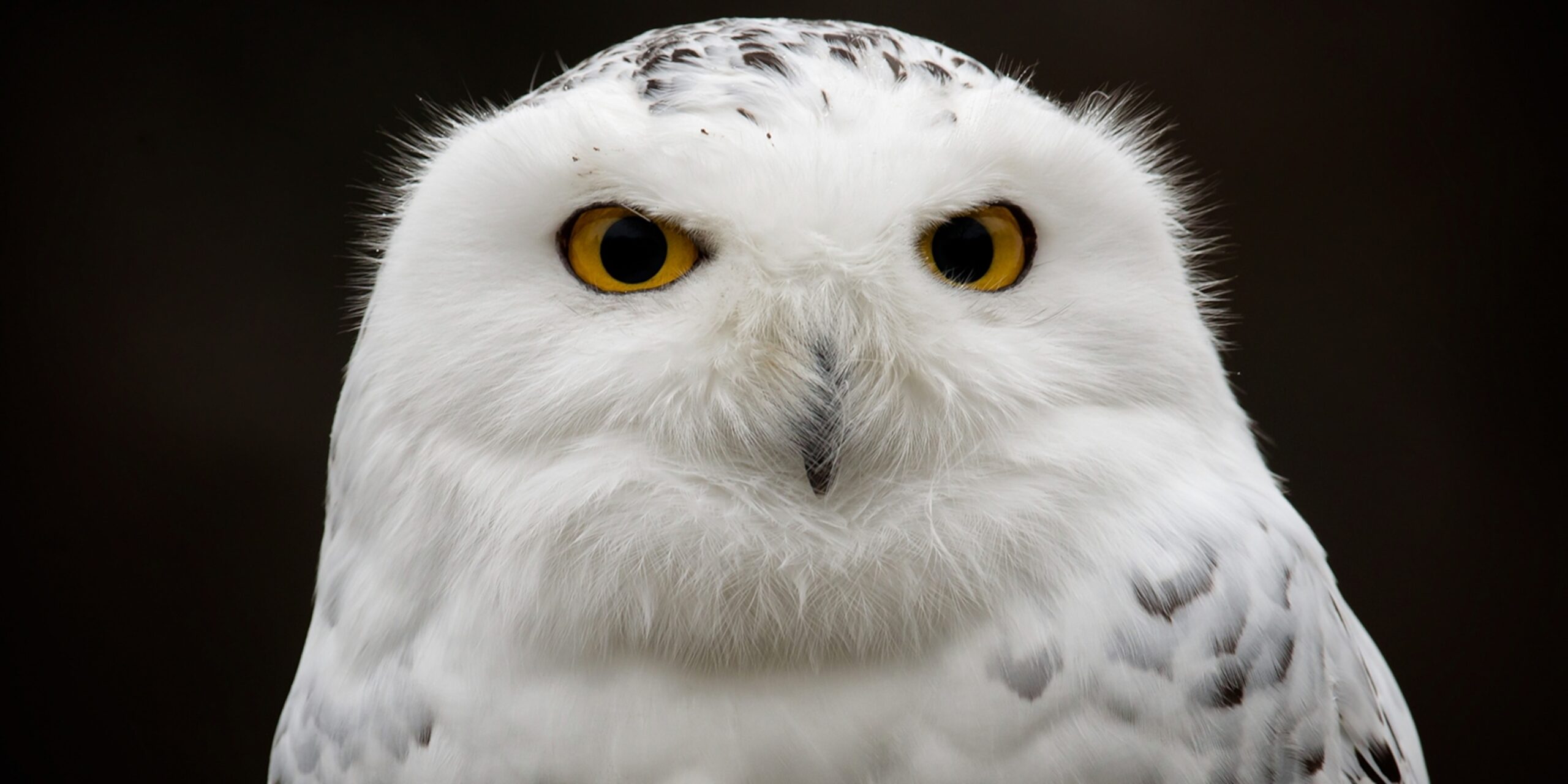
The mesmerizing presence of snowy owls across the stark, frozen landscapes has captivated human curiosity for centuries. These ethereal creatures, cloaked in pristine white feathers, embody the enigmatic allure of the wilderness. Yet, observing them, especially after dusk when darkness envelopes their habitats, remains a formidable challenge. Their elusive nature at night sparks a profound fascination, a yearning to unveil the mysteries hidden beneath the shroud of night. Enter thermal imaging—a technological marvel that is redefining how researchers and enthusiasts track snowy owls in their nocturnal escapades, unraveling secrets once thought impenetrable.
The Challenge of Nocturnal Observation: Snowy Owls in the Dark
Snowy owls, predominantly inhabitants of the Arctic tundra, are exceptional predators adapted to survive in extreme conditions. Although often perceived as diurnal, they exhibit considerable nocturnal activity, especially during the breeding season and winter months. However, darkness obscures their movements, rendering traditional tracking methods cumbersome and often futile. Visual sightings are scarce, and reliance on ambient light or flashlights can disrupt their natural behavior, causing distress or evasion.
Aside from visual barriers, snowy owls’ camouflaged plumage provides impeccable concealment against snowy terrains, compounding the difficulty of detection. Their silent flight and minimally invasive nocturnal habits further challenge observers. These factors have long frustrated ornithologists and wildlife monitors, who crave deeper insights into the owls’ nocturnal lives, hunting strategies, and migratory routes.
Thermal Imaging: Illuminating the Invisible
Thermal imaging technology, grounded in the detection of infrared radiation emitted by warm objects, offers a transformative approach to wildlife tracking. Unlike conventional cameras, thermal imagers do not require visible light; they visualize temperature differentials, casting a radiant map of heat signatures. For snowy owls, whose body heat contrasts sharply against the frigid ambient temperatures of their environment, thermal imaging reveals their presence with striking clarity.
This technology pierces through the night’s obscurity, rendering the invisible visible: feathered silhouettes glowing warmly against cold backdrops. It enables real-time observation without intrusive light sources, preserving the owls’ natural behaviors. Thermal imaging arms researchers with the ability to follow these ghostly hunters silently prowling under moonless skies, granting unprecedented access to their elusive nocturnal world.
Advancements in Thermal Imaging Technology
Recent progress in thermal sensor sensitivity and resolution has finely tuned the ability to detect even minute heat signatures over considerable distances. Portable handheld devices, drone-mounted thermal cameras, and fixed observation stations now offer versatile platforms tailored to diverse tracking scenarios. The miniaturization and affordability of these systems have widened their adoption, bringing deeper ecological investigations within reach of conservationists worldwide.
Moreover, integration with GPS tagging and data analytics allows for comprehensive mapping of snowy owl movements. Continuous thermal monitoring provides invaluable data on roosting preferences, hunting ranges, and responses to environmental stressors. These multifaceted datasets enrich scientific models and enable adaptive conservation strategies that respond dynamically to the owls’ needs.
Revealing Nocturnal Behaviors and Ecological Insights
Thermal imaging is not merely a tool for finding snowy owls—it is a portal into their hidden lives. Observations have uncovered nocturnal hunting patterns previously undocumented, illustrating how these raptors exploit the night to capture prey in the Arctic’s perpetual twilight seasons. The technology has illuminated interactions among individuals, territorial disputes, and familial dynamics in ways that daylight observations could not encompass.
These revelations deepen understanding of the snowy owls’ ecological niche and adaptability amid climatic fluctuations. Tracking heat signatures also aids in identifying health anomalies, such as hypothermia or injury, facilitating timely intervention. Ultimately, this knowledge fosters empathetic stewardship rooted in the authentic realities of the owls’ survival challenges.
Conservation Implications and Future Prospects
As snowy owl populations face threats from habitat encroachment, climate change, and shifting prey availability, the insights gleaned through thermal imaging carry profound conservation significance. By elucidating migratory corridors and nocturnal refuges, thermal tracking informs habitat protection and restoration efforts. It empowers wildlife managers to mitigate human-wildlife conflicts and monitor population trends with enhanced accuracy.
Looking forward, the convergence of artificial intelligence with thermal imaging promises to amplify these benefits. Automated detection algorithms could sift through vast reservoirs of heat imagery to identify owls and even individual behavioral patterns, minimizing human labor and error. The prospect heralds an era where technology becomes an extension of human reverence and responsibility toward these majestic Arctic sentinels.
The Enduring Fascination with Snowy Owls at Night
There is something almost poetic about glimpsing a snowy owl in the embrace of night—a spectacle where nature’s subtlety meets technological brilliance. The interplay between an ancient creature and modern innovation stirs awe and respect. It reflects a collective yearning to connect with the nocturnal mysteries that animate our world.
Thermal imaging transcends mere utility; it is a conduit of discovery and wonder, rekindling a profound bond between humans and the wild. In illuminating the snowy owl’s secretive realm, it invites us to appreciate not only their ethereal grace but the delicate balance of the ecosystems they inhabit. This technology, steeped in precision and sensitivity, underscores an enduring truth: fascination with the natural world flourishes brightest when shrouded in the enigmatic veil of night.