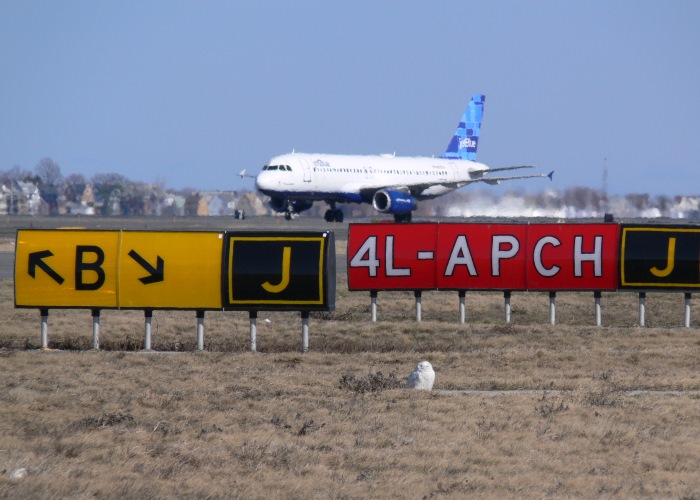
In the vast, windswept tundra of the Arctic, a silent revolution is unfolding. Where once the snowy owl’s presence was a rare and fleeting spectacle, now their numbers swell like a tide reclaiming the shore. This isn’t just another fluctuation in the ebb and flow of nature—it’s a dramatic, almost cinematic shift, a story of resilience, adaptation, and the unyielding pulse of life in the harshest corners of our planet. What’s driving this extraordinary boom? The answer lies not in a single cause, but in a symphony of ecological changes, each note playing its part in this grand, unfolding narrative.
The Impact of Volunteer Programs on Owl Conservation and Community Engagement
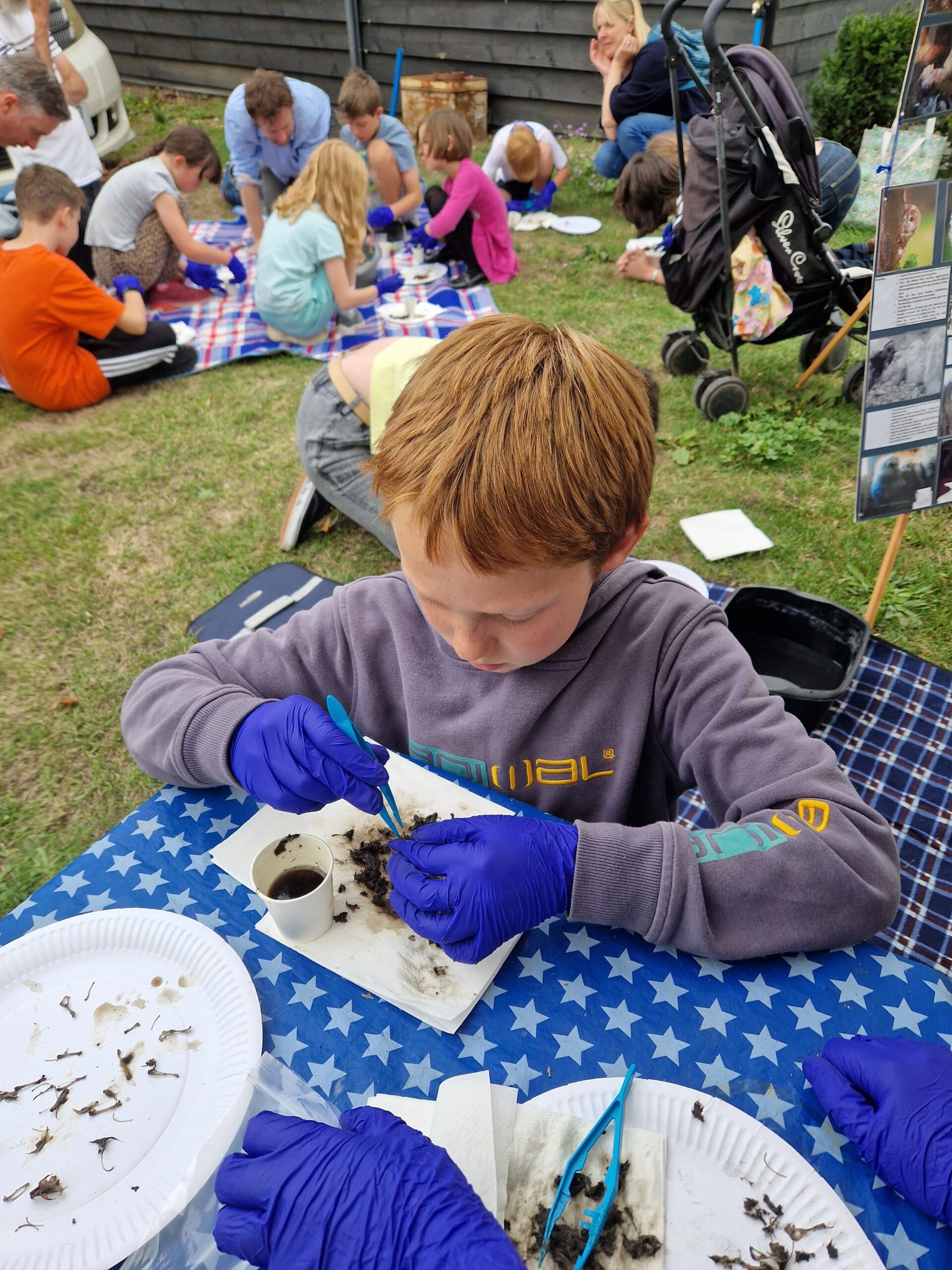
The silent sentinels of the night, owls, have long been shrouded in myth and mystery, their piercing gaze a symbol of wisdom and watchfulness. Yet beyond the folklore, these enigmatic creatures face a precarious existence in an increasingly fragmented world. Volunteer programs dedicated to owl conservation are not merely acts of ecological altruism—they are bridges between human curiosity and the natural world, transforming passive observers into active stewards of biodiversity. These initiatives do more than protect a species; they weave communities together, fostering a shared sense of purpose and reverence for the unseen rhythms of the wild. In this intricate dance of conservation and connection, volunteers become the unseen wings that lift owl populations—and human hearts—toward a more harmonious coexistence.
The Eagle Owl: Europe’s Largest and Most Powerful Owl
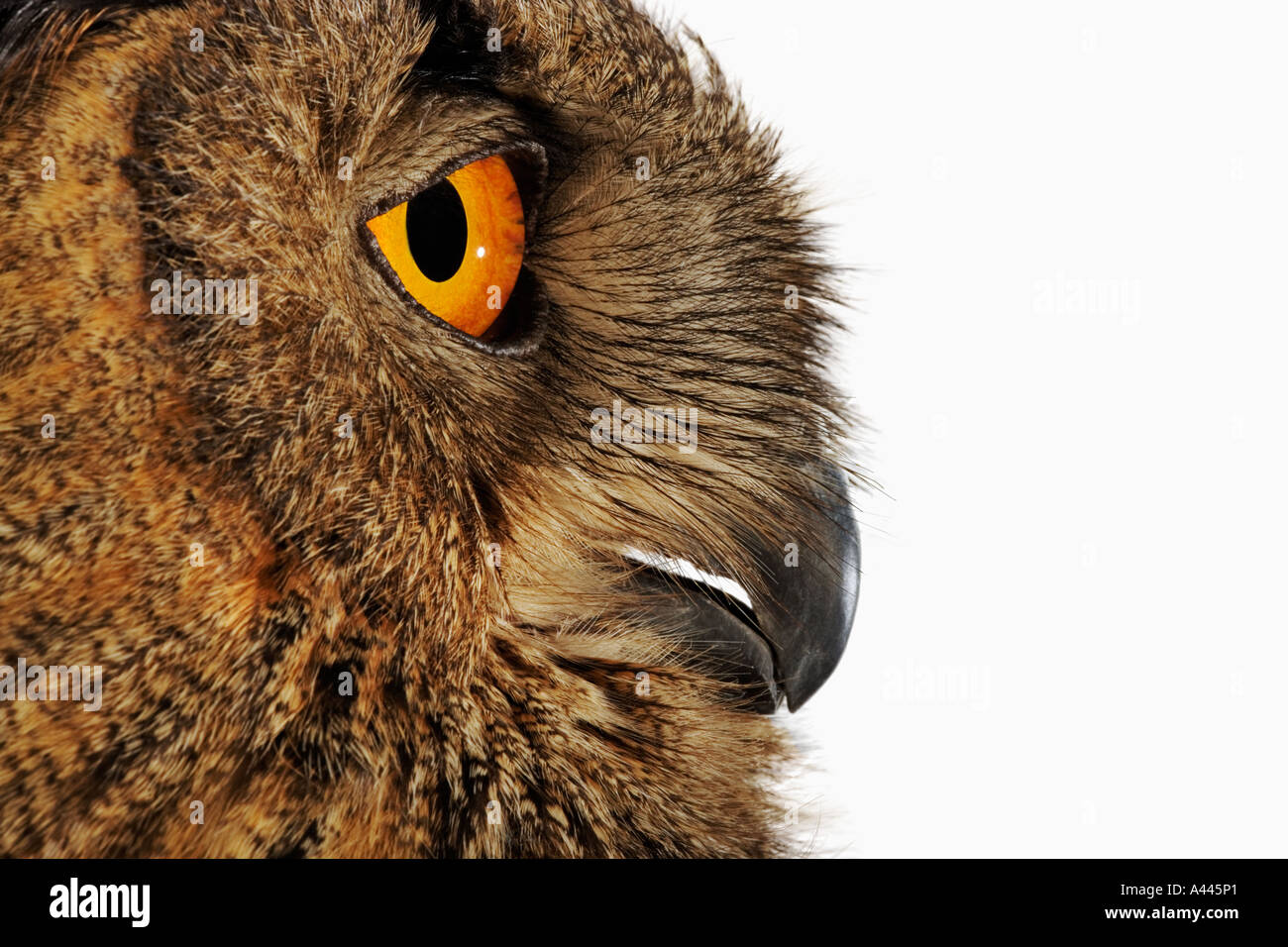
The Eurasian eagle-owl (Bubo bubo) is not merely a bird of the night—it is a living embodiment of primal power, a feathered titan that commands the twilight realms with silent authority. Perched motionless on a cliff’s edge or surveying its domain from the gnarled branches of an ancient oak, this owl exudes an aura of untamed majesty. Its piercing orange eyes, framed by a crown of rust-colored feathers, seem to hold the secrets of forgotten forests and moonlit hunts. To witness an eagle-owl in the wild is to glimpse a creature that has thrived for millennia, unshaken by the march of time. Yet, what is it about this nocturnal sovereign that captivates us so deeply? Is it the sheer size of its wingspan, stretching wider than a child’s outstretched arms? Or perhaps the haunting resonance of its call, a deep, resonant *hoo-hoo* that echoes through the valleys like a ghostly proclamation? The fascination with the eagle-owl runs deeper than mere admiration—it is a testament to humanity’s enduring awe of the wild and the unknown.
The Best Time of Year to See Snowy Owls: Seasonal Viewing Guides

There is something almost mythical about the snowy owl—an avian apparition emerging like a ghost from the Arctic tundra. Their ethereal white plumage, piercing yellow eyes, and silent flight ignite a profound sense of wonder in bird watchers and nature lovers alike. Yet, many enthusiasts often ask, “When is the best time of year to witness this spectral beauty in their full glory?” This question invites us into a nuanced exploration of not just seasonal patterns but also the ecological and behavioral rhythms that dictate the snowy owl’s presence across North America and beyond. Understanding these cycles deepens our appreciation and unveils why these owls capture the imagination of so many.
Spotted Owl Rehabilitation: Rescuing Injured Birds in the Wild
In the shadowy cathedral of the ancient forest, where shafts of sunlight pierce the canopy like whispered secrets, the Spotted Owl reigns as both sentinel and enigma. These elusive creatures, cloaked in mottled feathers that echo the dappled light filtering through towering conifers, embody the fragile poetry of wilderness. Yet, this nocturnal monarch often finds itself ensnared by the harsh realities of the modern world—injury, habitat loss, and the relentless challenges of survival. Spotted owl rehabilitation is an intricate dance between science and compassion, a delicate weave of hope and resilience where every rescued bird is a stanza in the epic story of nature’s endurance.
The Role of Owls in Education: Teaching the Next Generation About Conservation

Owls have long captivated the human imagination with their enigmatic presence and nocturnal grace. More than just majestic creatures of the night, owls play a pivotal role in educating the next generation about the imperatives of conservation. Their elusive nature, coupled with profound symbolism across cultures, makes them ideal ambassadors for environmental stewardship. As conduits of knowledge, owls enable educators to weave intricate lessons about ecology, biodiversity, and sustainability—lessons vital for cultivating a future that cherishes and protects the natural world.
The Role of Short-Eared Owls in Wetland Ecosystems
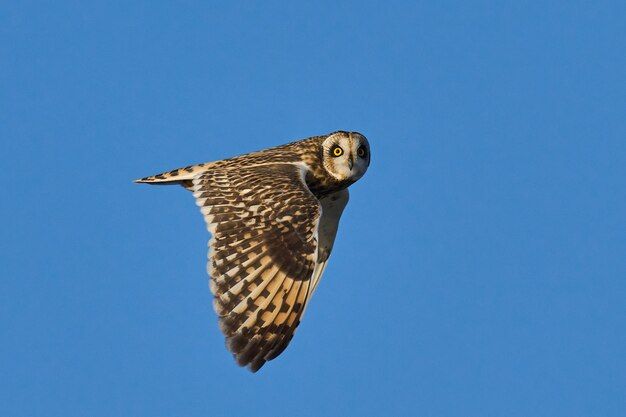
Have you ever paused to consider the silent guardians of the wetlands, those feathered sentinels who glide like whispers over the reeds at dusk? The Short-eared Owl, with its piercing yellow eyes and moth-like flight, is more than just a nocturnal marvel—it is a linchpin of wetland ecosystems, a predator whose presence shapes the very landscape it inhabits. But what happens when these guardians falter? What silent crises unfold when their habitats shrink, when their prey dwindles, or when human encroachment disrupts their delicate balance? Let’s embark on a journey through the marshes, fens, and bogs to uncover the indispensable role of these owls—and the challenges they face in a world that often overlooks their importance.
The Role of Wildfires in Spotted Owl Decline: A Growing Threat
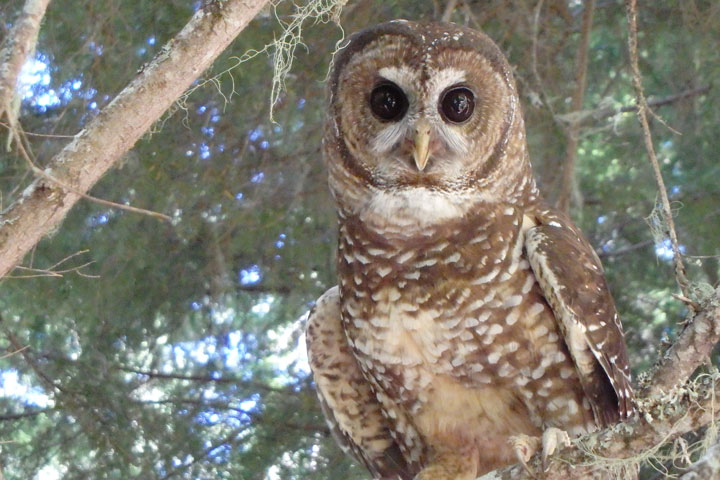
In the lush canopies of North America’s old-growth forests, the elusive spotted owl has long been emblematic of ecological fragility and conservation urgency. For decades, the decline of its populations has been attributed primarily to habitat destruction driven by human activity. Yet, as the climate crisis intensifies, a stealthier menace emerges from the ashes—wildfires. This evolving paradigm promises not only to deepen our understanding of the spotted owl’s plight but also to recalibrate the strategies we deploy to safeguard this iconic species. The role of wildfires in the spotted owl’s decline is a growing threat demanding our attention, challenging entrenched narratives, and inviting a reconsideration of forest stewardship in the Anthropocene.
How to Use Technology in Owl Education: Virtual Reality Apps and Online Resources

The owl, that enigmatic creature of the night, has long captivated human imagination with its silent flight and piercing gaze. Yet, in the realm of education, these birds of wisdom are often relegated to the sidelines, their potential as learning catalysts overshadowed by more conventional subjects. What if we could harness the power of technology to transform owl education into an immersive, engaging experience? Virtual reality (VR) apps and online resources offer a revolutionary way to bridge the gap between fascination and understanding, turning the study of owls into a journey of discovery that resonates with learners of all ages.
Owls and Rising Sea Levels: Coastal Species at Risk

The coastal wetlands, where the land whispers to the sea, are among the most biodiverse yet fragile ecosystems on Earth. These transitional zones, where saltwater and freshwater intertwine, are home to a mosaic of life—from the salt-tolerant mangroves to the transient wading birds that dance on the edge of the tide. Yet, as the planet warms and the oceans rise, these habitats are being swallowed by the encroaching waters, threatening species that have thrived here for millennia. Among these vulnerable creatures, owls—often associated with dense forests and nocturnal silence—are emerging as unexpected sentinels of a changing coastline. Their presence in these shifting landscapes tells a story of adaptation, resilience, and the delicate balance between land and water.