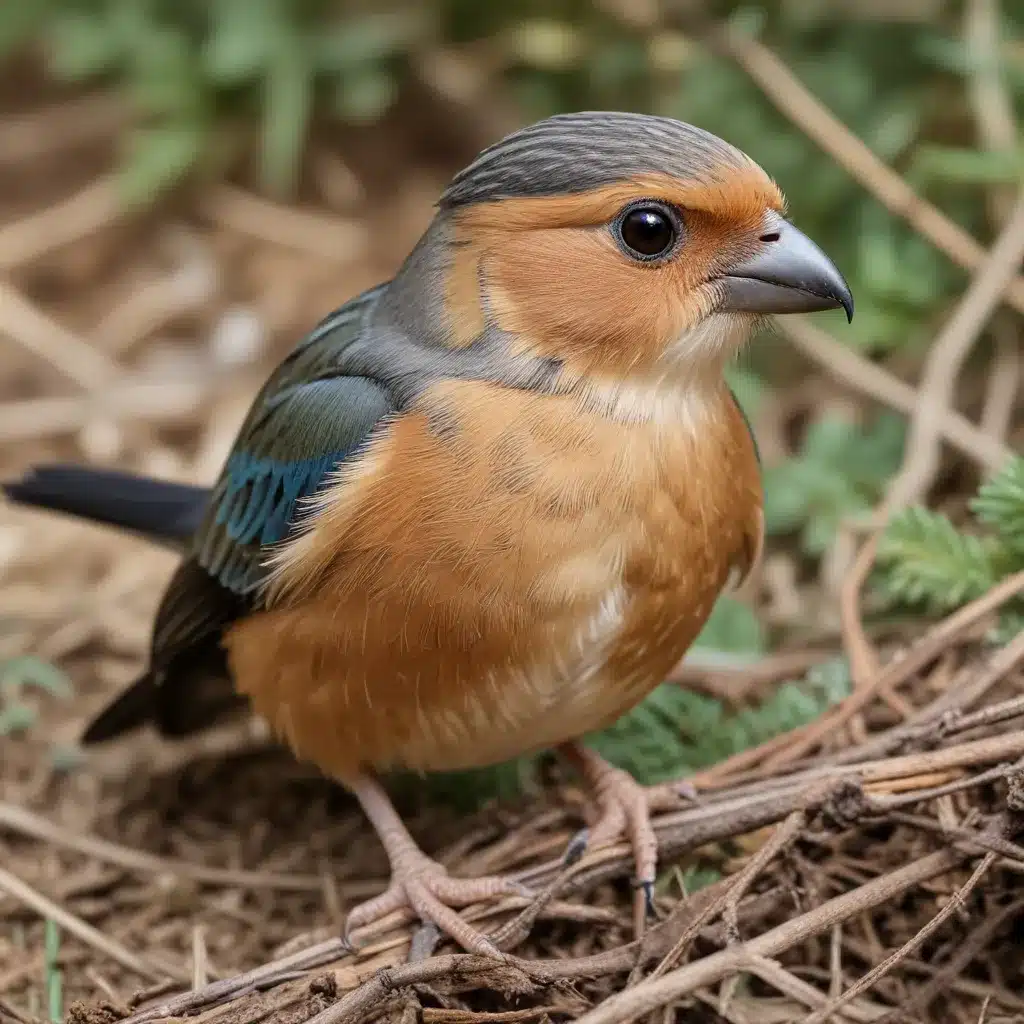
In the shadowy cathedral of the ancient forest, where shafts of sunlight pierce the canopy like whispered secrets, the Spotted Owl reigns as both sentinel and enigma. These elusive creatures, cloaked in mottled feathers that echo the dappled light filtering through towering conifers, embody the fragile poetry of wilderness. Yet, this nocturnal monarch often finds itself ensnared by the harsh realities of the modern world—injury, habitat loss, and the relentless challenges of survival. Spotted owl rehabilitation is an intricate dance between science and compassion, a delicate weave of hope and resilience where every rescued bird is a stanza in the epic story of nature’s endurance.
The Spotted Owl: An Enigmatic Denizen of the Forest
Few creatures epitomize the mystique of old-growth forests quite like the Spotted Owl. With its piercing gaze and ghost-like flight, it is a master of camouflage and silence. This raptor’s plumage is a natural mosaic, designed to dissolve into the shadows of ancient giants—Douglas firs, Western hemlocks, and towering cedars. It is a specialist, relying heavily on dense, mature forests for nesting and hunting, subsisting primarily on small mammals hidden beneath the leaf litter. However, decades of deforestation and environmental pressures have made the Spotted Owl not only rare but vulnerable, its survival hanging by a slender thread. Rehabilitation efforts, therefore, are not just about healing an individual bird; they are about sustaining the heartbeat of an entire ecosystem.
Injury in the Wild: The Invisible Perils
Birds of prey, despite their majesty, are vulnerable to a spectrum of injuries. Spotted Owls face numerous threats: collisions with vehicles, entanglement in human-made debris, predation attempts, and the increasing encroachment of invasive species altering their habitats. Injuries often range from fractures and wing trauma to systemic infections caused by wounds left unattended in the wilderness. Each scar tells a story of a battle for survival. When an injured Spotted Owl is rescued, it carries the echoes of a forest at risk. Immediate and precise assessment is paramount, with veterinary experts scrutinizing every feather and tendon, endeavoring to mend more than just flesh but the spirit necessary for eventual freedom.
The Humane Art of Rehabilitation
Rehabilitation is a meticulous symphony of care that harmonizes medical intervention with the respect owed to a wild being. It begins with triage—stabilizing the bird, administering pain relief, and performing diagnostics like radiographs to discern hidden fractures or internal trauma. The process transcends mere treatment; it delves into understanding the owl’s behavioral expressions, ensuring that stress is minimized in captivity. Aviaries designed to mimic natural settings allow for gradual reintroduction of natural behaviors essential for hunting and flight endurance. Nutritional regimens, carefully calibrated to the Spotted Owl’s carnivorous appetite, aid recovery. This tender stewardship is suffused with patience, as rehabilitators recognize the importance of surrendering control when the time comes for release.
Challenges and Innovations in Spotted Owl Care
Every rehabilitation encounter is a crucible of challenges. The Spotted Owl’s sensitivity to environmental shifts and human presence requires an empathetic yet scientifically rigorous approach. Advances in veterinary medicine have improved outcomes: cutting-edge wound care techniques, minimally invasive surgeries, and specialized physiotherapy help restore mobility. Moreover, technology such as telemetry and GPS tagging upon release furnishes vital data on post-recovery survival and habitat use. However, logistical obstacles such as securing funding, navigating regulatory frameworks, and combating public misconceptions about wildlife intervention remain persistent barriers. Nevertheless, the confluence of community engagement and evolving methodology paints a hopeful future for rehabilitation endeavors.
Reintegration: The Final Flight to Freedom
The release of a rehabilitated Spotted Owl is both a triumph and a solemn rite of passage. It is not simply the conclusion of a healing journey but the rekindling of a wild soul’s purpose. Optimal timing for release depends on the restoration of flight capability, predator evasion skills, and overall health. Sites are carefully chosen—old-growth forests with ample prey abundance and minimal disturbance. Even after release, continued monitoring helps ensure adaptation and survival. The owl returns to the nocturnal concerto of the forest, its cries weaving into the tapestry of night, bearing witness to resilience born of human hands paired with a reverence for nature.
The Broader Implications: Guardianship of a Species and a Habitat
Rehabilitating a Spotted Owl extends beyond the immediate act of rescue; it embodies the stewardship of an imperiled species and its habitat. Each owl healed and released is a beacon amid the encroaching shadows of habitat fragmentation and ecological imbalance. These birds are bioindicators—living metrics of forest health. Their presence signals the vitality of a biodiverse sanctuary that supports countless other species. Therefore, rehabilitation intertwines with conservation initiatives that emphasize habitat preservation, legal protections, and public education. Together, these efforts orchestrate a holistic allegiance to safeguarding the nocturnal guardians of the forest.
A Call to Action: Cultivating Compassion and Awareness
In every whisper of rustling leaves and each silent glide beneath the silver moon, the Spotted Owl beckons us to recognize nature’s fragility and fortitude. Rehabilitation is an invitation—not only to witness the fragile ballet of recovery but to participate in a greater movement. Citizens can become allies by supporting sanctuaries, advocating for responsible land management, and fostering an empathetic understanding of wildlife trauma. Through this symbiotic relationship, humans move from distant observers to active conservators, ensuring that the haunting calls of the Spotted Owl continue to echo through forest cathedrals for generations to come.