In the shadowed theaters of the Australian night, owls emerge as silent sentinels—enigmatic phantoms cloaked in feathers, guardians of the nocturnal realm. Their haunting calls echo through eucalyptus groves and moonlit marshes, weaving an ancient narrative of survival and mystique. Yet beneath their ethereal presence lies a fragile existence, challenged by a world in flux. The status of owls in Australia encompasses a tapestry of uniqueness woven with threads of peril and resilience, demanding both reverence and urgent attention.
The Impact of Owls on Insect Populations: A Top-Down Effect
The night unfurls like a velvet cloak, and in its dark embrace, a silent predator takes flight. Owls—those enigmatic sentinels of the twilight—are not merely creatures of folklore but architects of ecological balance. Their presence weaves a complex tapestry of life, where the flutter of moth wings and the scuttle of beetles are not random acts but carefully orchestrated movements in a grand, unseen symphony. The impact of owls on insect populations is not a footnote in nature’s ledger; it is a top-down effect, a cascading force that reshapes entire ecosystems from the apex downward. To understand this phenomenon is to peer into the hidden mechanics of survival, where every talon strike sends ripples through the underbrush, altering the very fabric of biodiversity.
How Noise Pollution Is Affecting Owl Communication in Cities

In the hushed corridors of urban nights, where steel and concrete rise like monoliths, a silent tragedy unfolds. The once-pristine symphony of owl calls—those haunting, melodic trills that once pierced the darkness like silver needles through velvet—has begun to fray at the edges. Cities, those relentless engines of progress, have become cacophonous battlegrounds, where the decibels of human activity drown out the whispers of the wild. Noise pollution, that insidious byproduct of modernity, is not merely an annoyance; it is a slow erasure of a language older than skyscrapers, a language that owls have honed over millennia to navigate the night.
How Water Pollution Is Affecting Spotted Owl Prey and Habitats
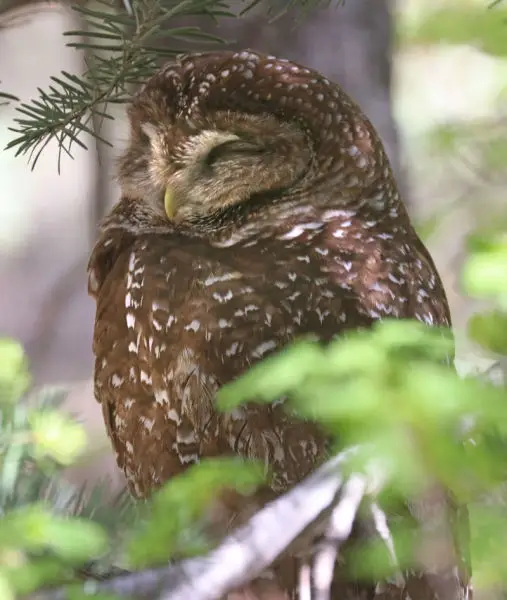
The spotted owl, a creature of quiet majesty, glides through the ancient forests of the Pacific Northwest, its dark eyes scanning the underbrush for prey. Yet beneath the canopy’s emerald glow, an insidious threat festers—one that doesn’t roar like a chainsaw or blaze like a wildfire, but slithers through streams and rivers, poisoning the very lifeblood of the ecosystem. Water pollution, often overshadowed by more visible environmental crises, is silently reshaping the habitats of this iconic bird and the creatures it depends on. The consequences are dire, not just for the spotted owl, but for the intricate web of life that sustains us all.
How Owls Contribute to Seed Dispersal: An Overlooked Ecological Function
In the silent ballet of the night, where the moon casts silver threads over the forest canopy, an unsung hero of biodiversity performs its nocturnal magic. Owls—those enigmatic, wide-eyed sentinels of the dark—are far more than mere predators of the night. They are, in ways both subtle and profound, the unwitting architects of ecological renewal. While their role in pest control has long been celebrated, a quieter revolution is unfolding: owls are seed dispersers, a function so overlooked that it challenges the very foundations of how we perceive these birds and the ecosystems they inhabit.
The U.S. Fish and Wildlife Service’s Barred Owl Plan: Does It Go Far Enough?
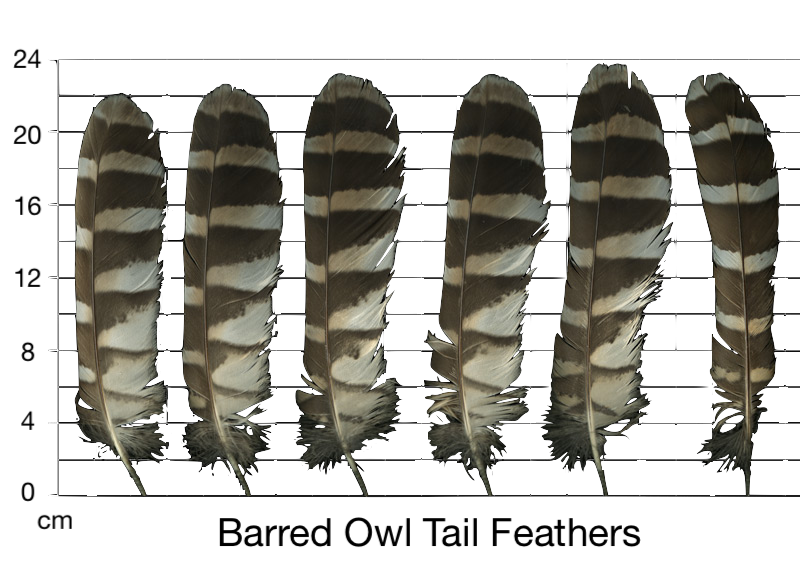
The barred owl, with its haunting, rhythmic call that echoes through the dense forests of the Pacific Northwest, has long been a symbol of wilderness and mystery. But lately, this enigmatic creature has found itself at the center of a heated debate—one that pits conservation against ethics, science against sentiment, and the survival of one species against the potential demise of another. The U.S. Fish and Wildlife Service’s recent plan to cull barred owls in an attempt to save the endangered spotted owl has sent ripples through the environmental community. Does this strategy go far enough? Or does it merely scratch the surface of a much deeper ecological dilemma?
The Snowy Owl Baby Boom: What Caused the Arctic Population Explosion?

In the vast, windswept tundra of the Arctic, a silent revolution is unfolding. Where once the snowy owl’s presence was a rare and fleeting spectacle, now their numbers swell like a tide reclaiming the shore. This isn’t just another fluctuation in the ebb and flow of nature—it’s a dramatic, almost cinematic shift, a story of resilience, adaptation, and the unyielding pulse of life in the harshest corners of our planet. What’s driving this extraordinary boom? The answer lies not in a single cause, but in a symphony of ecological changes, each note playing its part in this grand, unfolding narrative.
The Impact of Volunteer Programs on Owl Conservation and Community Engagement
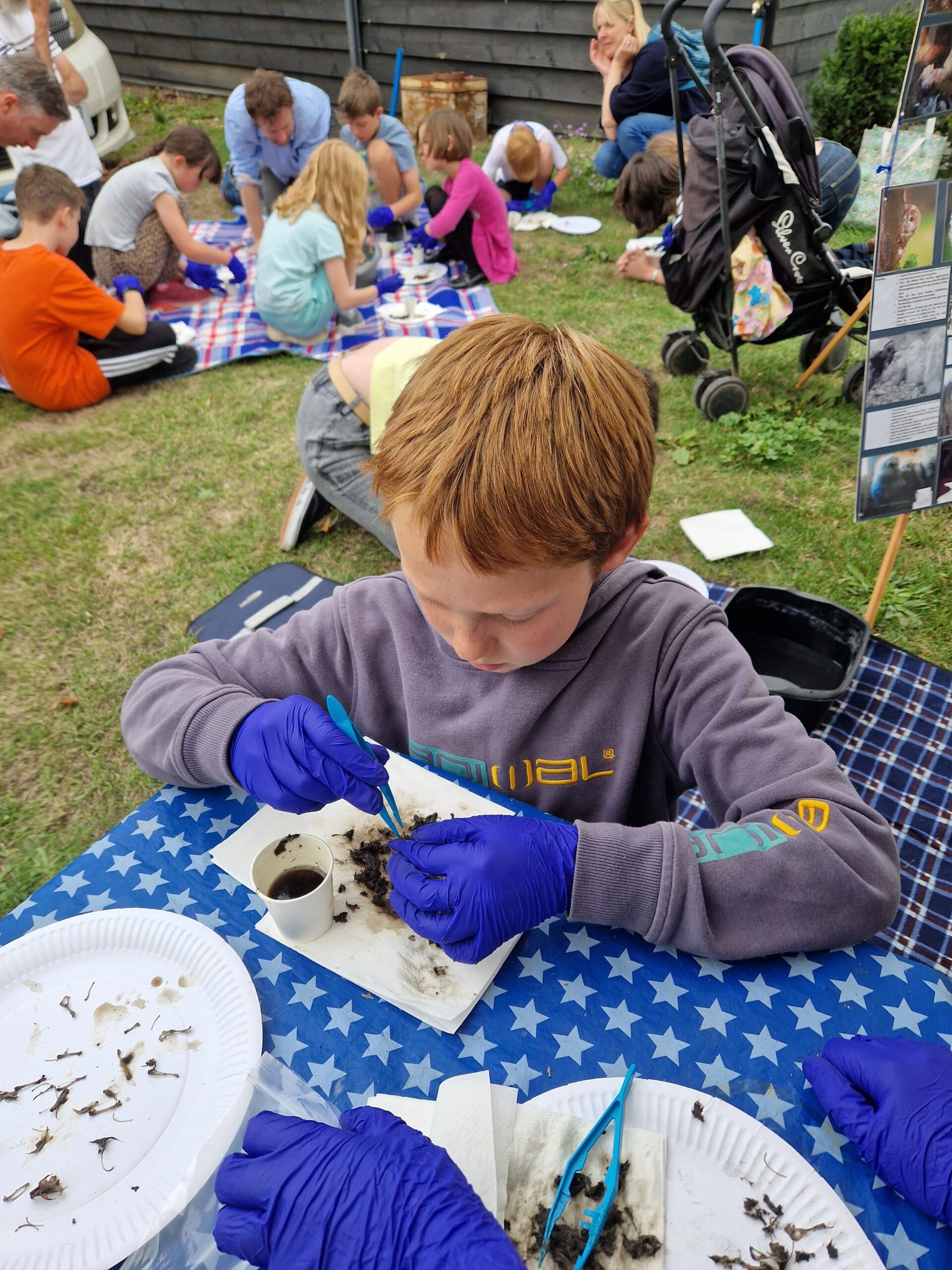
The silent sentinels of the night, owls, have long been shrouded in myth and mystery, their piercing gaze a symbol of wisdom and watchfulness. Yet beyond the folklore, these enigmatic creatures face a precarious existence in an increasingly fragmented world. Volunteer programs dedicated to owl conservation are not merely acts of ecological altruism—they are bridges between human curiosity and the natural world, transforming passive observers into active stewards of biodiversity. These initiatives do more than protect a species; they weave communities together, fostering a shared sense of purpose and reverence for the unseen rhythms of the wild. In this intricate dance of conservation and connection, volunteers become the unseen wings that lift owl populations—and human hearts—toward a more harmonious coexistence.
The Eagle Owl: Europe’s Largest and Most Powerful Owl
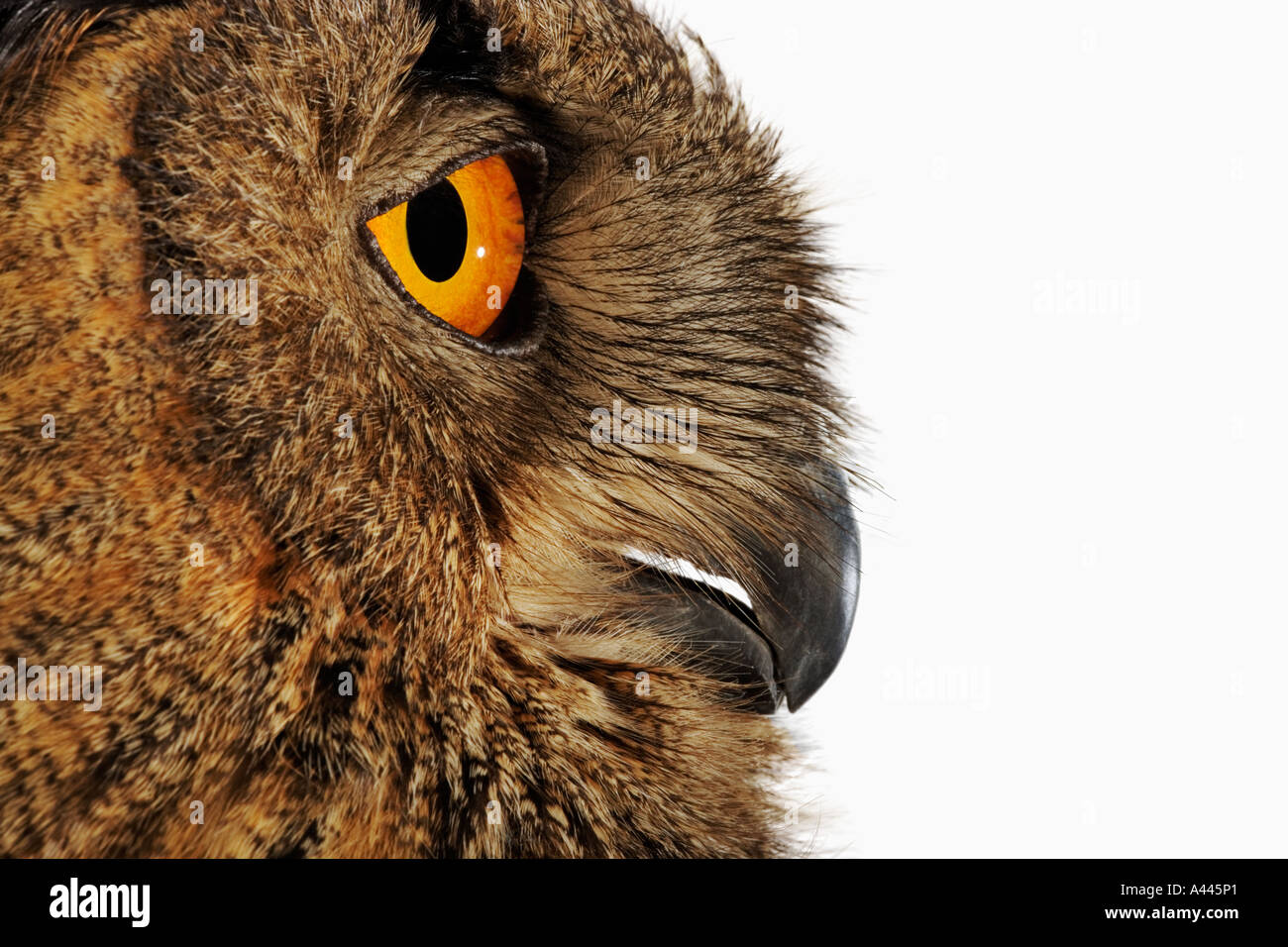
The Eurasian eagle-owl (Bubo bubo) is not merely a bird of the night—it is a living embodiment of primal power, a feathered titan that commands the twilight realms with silent authority. Perched motionless on a cliff’s edge or surveying its domain from the gnarled branches of an ancient oak, this owl exudes an aura of untamed majesty. Its piercing orange eyes, framed by a crown of rust-colored feathers, seem to hold the secrets of forgotten forests and moonlit hunts. To witness an eagle-owl in the wild is to glimpse a creature that has thrived for millennia, unshaken by the march of time. Yet, what is it about this nocturnal sovereign that captivates us so deeply? Is it the sheer size of its wingspan, stretching wider than a child’s outstretched arms? Or perhaps the haunting resonance of its call, a deep, resonant *hoo-hoo* that echoes through the valleys like a ghostly proclamation? The fascination with the eagle-owl runs deeper than mere admiration—it is a testament to humanity’s enduring awe of the wild and the unknown.
The Best Time of Year to See Snowy Owls: Seasonal Viewing Guides

There is something almost mythical about the snowy owl—an avian apparition emerging like a ghost from the Arctic tundra. Their ethereal white plumage, piercing yellow eyes, and silent flight ignite a profound sense of wonder in bird watchers and nature lovers alike. Yet, many enthusiasts often ask, “When is the best time of year to witness this spectral beauty in their full glory?” This question invites us into a nuanced exploration of not just seasonal patterns but also the ecological and behavioral rhythms that dictate the snowy owl’s presence across North America and beyond. Understanding these cycles deepens our appreciation and unveils why these owls capture the imagination of so many.