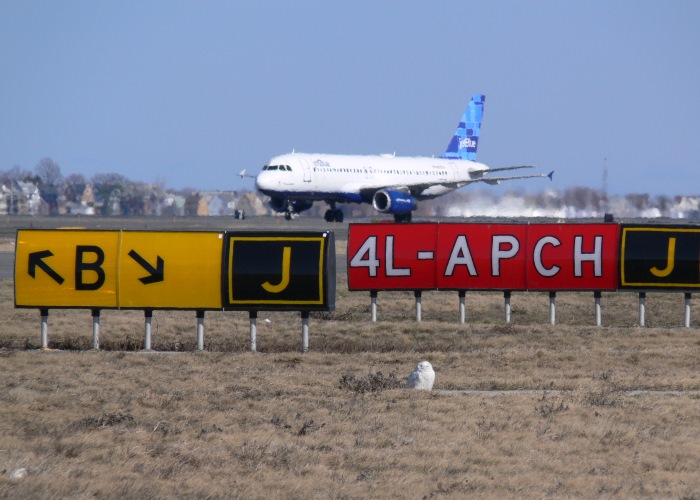
In the vast, windswept tundra of the Arctic, a silent revolution is unfolding. Where once the snowy owl’s presence was a rare and fleeting spectacle, now their numbers swell like a tide reclaiming the shore. This isn’t just another fluctuation in the ebb and flow of nature—it’s a dramatic, almost cinematic shift, a story of resilience, adaptation, and the unyielding pulse of life in the harshest corners of our planet. What’s driving this extraordinary boom? The answer lies not in a single cause, but in a symphony of ecological changes, each note playing its part in this grand, unfolding narrative.
The Arctic’s Unseen Metamorphosis: A Stage Set for Abundance
The Arctic is a land of extremes, where the sun never sets in summer and the stars never fade in winter. Yet beneath this stark beauty, the ground is shifting—literally. The permafrost, that ancient, frozen blanket, is thawing at an unprecedented rate. This isn’t just a geological curiosity; it’s a catalyst. As the earth softens, new habitats emerge. Wetlands expand, insect populations burgeon, and the once-barren landscape blooms with life. For the snowy owl, a predator that thrives in open spaces, this transformation is a banquet laid before them. The Arctic is no longer a wasteland—it’s a thriving ecosystem, and the owls are the first to feast.
Climate Whispers: How Warming Winds Carry Opportunity
Climate change is often painted as a villain in the grand tale of nature, but in the case of the snowy owl, it’s playing a more nuanced role. The warming Arctic doesn’t just melt ice—it reshapes entire food webs. Lemmings, the owl’s primary prey, are experiencing their own population surges in response to milder winters and earlier springs. With more food available, the owls breed more successfully. Their reproductive success is skyrocketing, and their chicks are surviving at rates unseen in decades. The Arctic’s warming isn’t just a crisis—it’s a paradox, a double-edged sword that cuts both ways, offering life where once there was only struggle.
The Lemming Paradox: A Delicate Dance of Predator and Prey
To understand the snowy owl’s boom, one must first understand the lemming—a small, unassuming rodent that holds the Arctic’s fate in its tiny paws. Lemmings are cyclical creatures, their populations rising and falling in dramatic waves. But in recent years, these cycles have grown more erratic, less predictable. Some years see lemming numbers explode, while others bring scarcity. Yet, the snowy owl has adapted. They’ve learned to exploit these fluctuations, breeding prolifically in lemming-rich years and dispersing widely when food is scarce. This adaptability is the key to their resurgence. The lemming’s boom isn’t just feeding the owls—it’s fueling a population explosion that defies the odds.
Migration Mysteries: The Owls’ Great Northern Exodus
But the snowy owl’s story isn’t confined to the Arctic. As their numbers swell, so too does their reach. These birds, once content to rule the frozen north, are now venturing farther south than ever before. Their migrations are a spectacle—flocks of ghostly white birds descending upon fields and shorelines, a sight that stirs both awe and unease. What’s driving this exodus? Some scientists suggest it’s a search for food, as competition in the Arctic intensifies. Others believe it’s a sign of overpopulation, a natural check on their burgeoning numbers. Whatever the cause, their arrival in new territories is rewriting the rules of migration, turning the snowy owl into a nomadic wanderer of the skies.
The Human Shadow: How Our Footprint Shapes Their Flight
Human activity casts a long shadow over the Arctic, and the snowy owl is not immune to its influence. Wind farms, oil drilling, and shipping lanes crisscross the once-pristine landscape, disrupting habitats and altering migration patterns. Yet, ironically, some of these disruptions may be inadvertently benefiting the owls. The noise and disturbance from human activity can flush out prey, making hunting easier. Even the warming caused by greenhouse gases, though devastating for many species, is creating pockets of opportunity for the snowy owl. The irony is stark: the very forces that threaten the Arctic’s future may be the ones that propel the owl’s resurgence. It’s a cruel twist of fate, a reminder that nature’s resilience often comes at a cost.
The Silent Symphony: How the Owls Are Reshaping the Arctic Soundscape
As the snowy owl population grows, so too does their impact on the Arctic’s soundscape. Their haunting, melodic calls—once a rare echo in the wilderness—now fill the air with a chorus that speaks of abundance. But their presence does more than just add to the symphony. They alter the behavior of other animals, from the rodents they hunt to the birds they displace. The Arctic’s acoustic landscape is transforming, and with it, the delicate balance of predator and prey. This isn’t just a change in numbers—it’s a shift in the very rhythm of life in the far north.
The Future Unwritten: What Lies Ahead for the Snowy Owl?
The snowy owl’s boom is a story still being written, a narrative that could end in triumph or tragedy. Will their population stabilize, finding a new equilibrium in a changing Arctic? Or will their success be short-lived, a fleeting moment of abundance before the harsh realities of climate change and human encroachment catch up? One thing is certain: the snowy owl’s resurgence is a testament to nature’s adaptability, a reminder that life finds a way even in the most unforgiving of landscapes. Their story is a call to action, a plea to protect the Arctic’s fragile beauty before it’s too late. For now, the owls soar, their white wings cutting through the Arctic sky like a promise—a promise of resilience, of adaptation, and of a future yet unwritten.