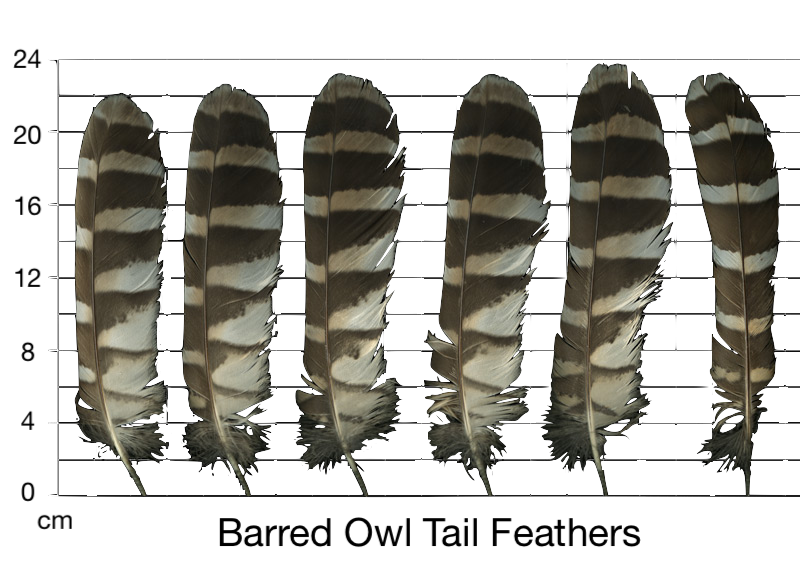
The barred owl, with its haunting, rhythmic call that echoes through the dense forests of the Pacific Northwest, has long been a symbol of wilderness and mystery. But lately, this enigmatic creature has found itself at the center of a heated debate—one that pits conservation against ethics, science against sentiment, and the survival of one species against the potential demise of another. The U.S. Fish and Wildlife Service’s recent plan to cull barred owls in an attempt to save the endangered spotted owl has sent ripples through the environmental community. Does this strategy go far enough? Or does it merely scratch the surface of a much deeper ecological dilemma?
The Barred Owl’s Unwelcome Arrival: A Tale of Ecological Displacement
Picture this: a forest where the air hums with the calls of spotted owls, their soft, whistled notes a testament to an ancient ecosystem. Now, imagine that same forest invaded by barred owls—larger, more aggressive, and far more adaptable. The barred owl, a native of the eastern United States, has steadily expanded its range westward, encroaching upon the spotted owl’s Pacific Northwest habitat. This isn’t just a story of migration; it’s a tale of displacement, where the barred owl’s dominance threatens to erase the spotted owl from its ancestral home.
The barred owl’s success in the West is a double-edged sword. Its adaptability has allowed it to thrive in fragmented forests and urban-adjacent woodlands, outcompeting the spotted owl for food and nesting sites. The result? A steep decline in spotted owl populations, pushing them ever closer to extinction. The U.S. Fish and Wildlife Service’s plan to lethally remove barred owls in key spotted owl habitats is an attempt to tip the scales back in favor of the beleaguered native species. But is this the right move?
Conservation or Culling: The Ethical Tightrope
At the heart of this debate lies a fundamental question: Is it ethical to sacrifice one species to save another? The barred owl, after all, is not an invasive species in the traditional sense—it didn’t arrive by human hand, nor does it carry diseases that threaten native wildlife. Its presence in the West is a natural consequence of habitat expansion, a testament to nature’s relentless adaptability. Yet, its success comes at the cost of a species already teetering on the brink.
Critics argue that the plan sets a dangerous precedent. If we justify the removal of barred owls to protect spotted owls, where does it end? Could this logic be applied to other species in conflict? The ethical implications are as tangled as the roots of an old-growth forest. Proponents, however, see it as a necessary intervention—a last-ditch effort to preserve biodiversity in the face of human-induced habitat destruction and climate change. The question isn’t just about ethics; it’s about priorities. Do we prioritize the survival of a single species, or do we accept the inevitability of ecological change?
The Science Behind the Strategy: Can Lethal Removal Work?
The U.S. Fish and Wildlife Service’s plan is rooted in science. Studies have shown that barred owl removal can lead to increased spotted owl survival rates and reproductive success. In experimental zones where barred owls were culled, spotted owl populations stabilized—at least temporarily. But science rarely offers neat solutions. The barred owl’s adaptability means that even in areas where they are removed, new individuals may quickly move in, rendering the culling efforts a Sisyphean task.
Moreover, the long-term ecological consequences of such removals are still unclear. Barred owls play a role in their ecosystem—preying on small mammals, influencing prey populations, and even shaping forest dynamics. Removing them en masse could have cascading effects that ripple through the food web. The plan also raises logistical challenges. How do we ensure that the removals are targeted and humane? How do we prevent unintended harm to non-target species? The answers are as elusive as the barred owl itself.
Habitat Loss: The Elephant in the Room
While the barred owl debate rages, one critical factor often gets overshadowed: habitat loss. The real culprit behind the spotted owl’s decline isn’t just the barred owl—it’s decades of logging, urban sprawl, and climate change that have fragmented and degraded old-growth forests. The barred owl may be the immediate threat, but it’s a symptom of a much larger problem. Without addressing the root causes of habitat destruction, any efforts to save the spotted owl—whether through barred owl removal or other means—may be akin to putting a bandage on a gaping wound.
Conservationists argue that the focus should shift from species-specific interventions to broader habitat restoration. Protecting and expanding old-growth forests, reducing deforestation, and mitigating climate change could provide a more sustainable solution. But habitat restoration is a slow, painstaking process—one that requires political will, funding, and public support. In the meantime, the barred owl continues to spread, and the spotted owl’s future hangs in the balance.
A Playful Provocation: What If the Barred Owl Wins?
Let’s entertain a radical thought: What if the barred owl isn’t the villain here? What if its dominance is simply nature’s way of adapting to change? The barred owl’s success in the West could be seen as a sign of resilience—a species thriving in a landscape altered by human hands. Perhaps the spotted owl’s decline is an inevitable part of ecological succession, a natural process that we’re trying to halt with human intervention.
This isn’t to say that we should abandon conservation efforts. But it does invite us to question our assumptions. Are we clinging to the idea of preserving a static ecosystem, or are we willing to accept that nature is dynamic, ever-changing, and sometimes unforgiving? The barred owl’s story forces us to confront uncomfortable truths about our role in the natural world. Do we have the right to play god, deciding which species live and which must die? Or should we step back and let nature take its course?
Beyond the Barred Owl: A Call for Holistic Conservation
The barred owl debate is a microcosm of a larger crisis in conservation. It highlights the tension between preserving biodiversity and accepting ecological change. It challenges us to think critically about our interventions—whether they’re justified, effective, and ethical. But it also offers an opportunity to reimagine conservation. What if, instead of focusing on single-species solutions, we embraced a more holistic approach? One that prioritizes ecosystem health, habitat connectivity, and climate resilience?
Perhaps the real question isn’t whether the U.S. Fish and Wildlife Service’s plan goes far enough. Maybe it’s whether we, as a society, are willing to confront the deeper, more systemic issues that threaten our planet’s biodiversity. The barred owl may be the immediate challenge, but the solutions lie in addressing the root causes of ecological decline. Until then, the debate will rage on—between those who see culling as a necessary evil and those who believe in letting nature find its own balance.