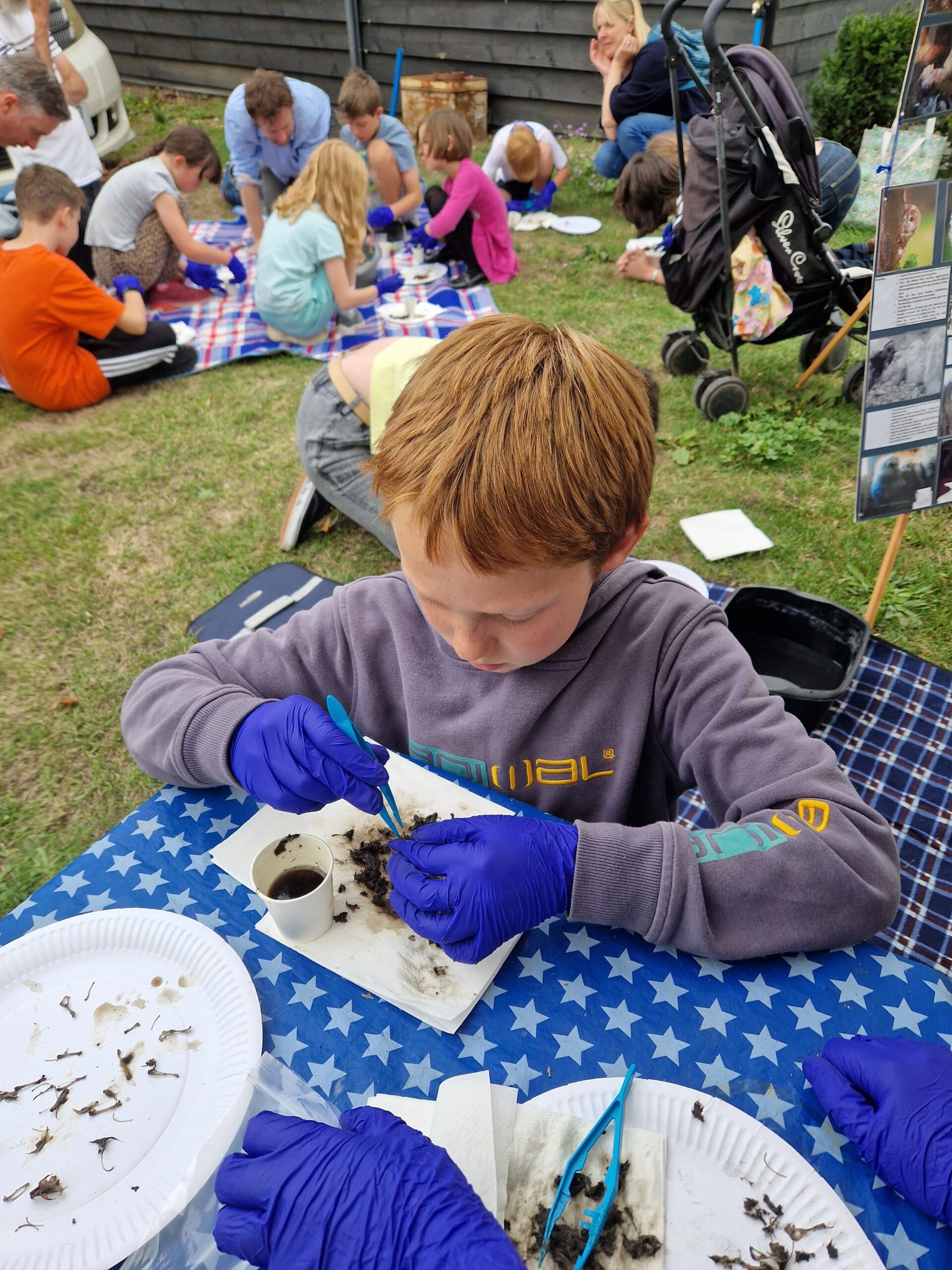
The silent sentinels of the night, owls, have long been shrouded in myth and mystery, their piercing gaze a symbol of wisdom and watchfulness. Yet beyond the folklore, these enigmatic creatures face a precarious existence in an increasingly fragmented world. Volunteer programs dedicated to owl conservation are not merely acts of ecological altruism—they are bridges between human curiosity and the natural world, transforming passive observers into active stewards of biodiversity. These initiatives do more than protect a species; they weave communities together, fostering a shared sense of purpose and reverence for the unseen rhythms of the wild. In this intricate dance of conservation and connection, volunteers become the unseen wings that lift owl populations—and human hearts—toward a more harmonious coexistence.
The Symbiotic Dance: How Volunteer Efforts Strengthen Owl Populations
Owls are ecological keystones, their presence a barometer of environmental health. Yet habitat loss, pesticide use, and human encroachment have eroded their domains, leaving many species teetering on the edge of survival. Volunteer programs intervene not as saviors, but as collaborators in a delicate ballet of restoration. Nest box installations, for instance, mimic the hollows of ancient trees, offering sanctuary to cavity-nesting species like the barn owl. These artificial sanctuaries are more than wooden structures; they are lifelines, carefully positioned in areas where natural nesting sites have vanished. Volunteers, armed with hammers and hope, become architects of refuge, their labor echoing the patient craftsmanship of a spider weaving its web.
But conservation is not a solitary endeavor. Many owl species, such as the elusive spotted owl, require vast territories to thrive. Volunteers engage in habitat monitoring, tracking owl movements through camera traps and acoustic surveys. These efforts generate data that inform land management policies, ensuring that forests remain intact and undisturbed. Each volunteer is a node in a vast network of observation, their contributions stitching together a tapestry of ecological intelligence. Without this grassroots vigilance, the whispers of owl calls in the dark might fade into silence.
From Spectators to Stewards: The Alchemy of Community Engagement
Volunteer programs are crucibles where apathy is transmuted into advocacy. When individuals step into the field—whether to band owls, plant native vegetation, or educate local communities—they undergo a metamorphosis. The act of holding a wild owl, even briefly, for banding or health checks, is a visceral reminder of their interconnectedness with the natural world. This tactile engagement strips away the abstraction of environmental decline, replacing it with a tangible, almost sacred responsibility. The owl, in turn, becomes a living ambassador, its presence a silent plea for protection.
Community engagement extends beyond the physical act of conservation. Workshops and educational outreach programs demystify owl ecology, dispelling myths that have long plagued these birds—such as the false notion that they are harbingers of doom. Instead, volunteers highlight the owl’s role as a nocturnal predator, a guardian of balance in ecosystems. Children who participate in these programs often return home with a newfound reverence for nature, their imaginations ignited by stories of silent flight and razor-sharp talons. In this way, owl conservation becomes a gateway to broader environmental stewardship, nurturing a generation that sees the wild not as a resource to exploit, but as a heritage to cherish.
The Ripple Effect: How Owl Conservation Transforms Local Economies
The impact of volunteer-driven owl conservation extends into the economic fabric of communities. Eco-tourism flourishes when regions become known for their owl populations, drawing birdwatchers and nature enthusiasts from across the globe. A single owl sighting can catalyze a local economy, spawning guided tours, sustainable lodging, and artisanal crafts inspired by these feathered icons. Villages that once viewed owls with suspicion now celebrate them as symbols of ecological pride. This shift in perception is not merely cultural—it is economic, a testament to the power of conservation to revitalize rural landscapes.
Moreover, volunteer programs often collaborate with local businesses, creating a symbiotic relationship where conservation fuels commerce and vice versa. Farmers, for instance, may adopt owl-friendly practices, such as reducing rodenticide use, knowing that owls will naturally control pest populations. The result is a harmonious cycle: healthier ecosystems, thriving owl populations, and resilient local economies. In this intricate web, the owl is not just a beneficiary but a catalyst, its presence a silent but potent driver of prosperity.
Challenges and Triumphs: The Unseen Battles of Owl Advocacy
Yet the path to owl conservation is fraught with obstacles. Climate change disrupts nesting cycles, while urban sprawl encroaches on critical habitats. Volunteers must navigate bureaucratic hurdles, secure funding, and contend with public apathy. The work is often grueling—dawn patrols to monitor nest boxes, late-night vigils to track owl movements, and the heartache of discovering a fallen chick. But within these challenges lie triumphs that defy expectation. A single successful fledgling, its wings unfurling for the first time, is a victory that eclipses all hardship. These moments of triumph are the fuel that sustains volunteers, a reminder that even the smallest actions can tip the scales in favor of survival.
The emotional toll of conservation work is another hidden facet. Volunteers form deep bonds with the owls they protect, grieving when a banded bird is found injured or worse. Yet this grief is not a sign of defeat; it is a testament to the depth of their commitment. The owl, with its piercing gaze and stoic demeanor, becomes a mirror, reflecting both the fragility and resilience of the natural world. In bearing witness to this fragility, volunteers find purpose, their lives enriched by the knowledge that they are part of something greater than themselves.
The Future: A Symphony of Wings and Human Hands
As we stand on the precipice of an ecological crisis, owl conservation volunteer programs offer a glimmer of hope. They are proof that human hands, when guided by compassion and curiosity, can mend the fractures in the natural world. The future of owl conservation lies not in grand gestures, but in the cumulative efforts of countless individuals—each planting a seed, each banding a bird, each educating a neighbor. These actions may seem small, but their impact is vast, rippling outward like the concentric circles of a stone dropped into still water.
Imagine a world where the hoot of an owl is as common as the chirp of a sparrow, where forests teem with life, and communities thrive in harmony with their wild neighbors. This is not a utopian fantasy, but a tangible possibility, forged by the dedication of volunteers who refuse to let the night go silent. The owl, with its silent flight and watchful eyes, is more than a creature of the wild—it is a symbol of what we can achieve when we choose to listen, to act, and to care. In the end, the story of owl conservation is not just about saving a species; it is about reclaiming our place in the natural world, one wingbeat at a time.