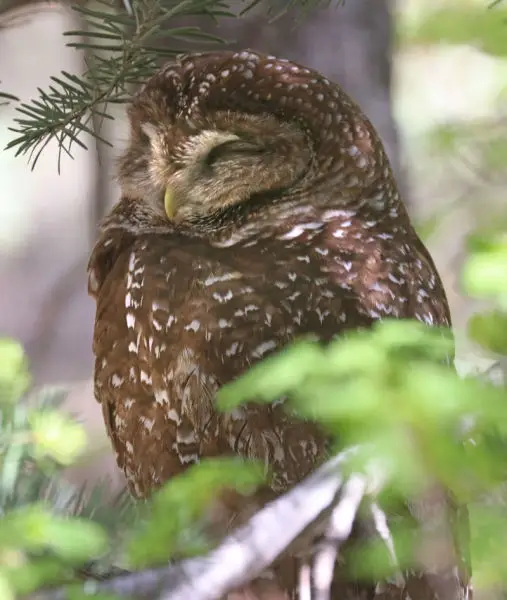
The spotted owl, a creature of quiet majesty, glides through the ancient forests of the Pacific Northwest, its dark eyes scanning the underbrush for prey. Yet beneath the canopy’s emerald glow, an insidious threat festers—one that doesn’t roar like a chainsaw or blaze like a wildfire, but slithers through streams and rivers, poisoning the very lifeblood of the ecosystem. Water pollution, often overshadowed by more visible environmental crises, is silently reshaping the habitats of this iconic bird and the creatures it depends on. The consequences are dire, not just for the spotted owl, but for the intricate web of life that sustains us all.
The Invisible Poison: How Toxins Infiltrate the Food Chain
Imagine a droplet of rain, falling from the sky, only to land in a puddle laced with industrial runoff. That droplet, now tainted, seeps into the soil, trickling into groundwater that feeds the streams where spotted owls’ prey—rodents, insects, and small mammals—quench their thirst. The toxins don’t stop there. They bioaccumulate, weaving their way up the food chain like a slow, creeping vine. Mercury from coal-fired power plants, pesticides from agricultural runoff, and microplastics from urban waste all find their way into the bodies of the owl’s prey. A single mouse might carry traces of these pollutants, but when an owl consumes dozens of such mice over a lifetime, the concentration of toxins in its own body becomes a ticking time bomb. The result? Reproductive failures, neurological damage, and a population teetering on the edge of collapse.
This isn’t just a hypothetical scenario—it’s a reality unfolding in the forests where spotted owls once thrived. Studies have shown that even low levels of mercury can impair the hunting abilities of these birds, turning their razor-sharp instincts into a liability. Meanwhile, pesticides like DDT, though banned decades ago, persist in the environment, disrupting the endocrine systems of prey species and leaving them vulnerable to predators—or worse, sterile and unable to sustain future generations.
The Vanishing Wetlands: A Crisis for Prey and Predator Alike
Spotted owls are creatures of the old-growth forests, but their survival hinges on the health of the wetlands and riparian zones that thread through these ecosystems. These waterlogged havens are teeming with life—amphibians, fish, and invertebrates that form the backbone of the owl’s diet. Yet, when pollutants seep into these delicate habitats, the ripple effects are catastrophic. Agricultural runoff rich in nitrogen and phosphorus triggers algal blooms that choke the water of oxygen, creating dead zones where no creature can survive. The once-vibrant chorus of frogs and insects falls silent, replaced by the eerie stillness of a dying ecosystem.
For the spotted owl, this means fewer meals, longer hunts, and increased competition with other predators for dwindling resources. The owl’s prey, already stressed by habitat loss, now faces an additional burden: the toxic legacy of human industry. In some regions, the disappearance of key prey species has forced owls to venture into unfamiliar territories, where they encounter new threats—roads, human settlements, and invasive predators. The owl’s adaptability, once a strength, becomes a desperate gamble in a world where its survival is no longer guaranteed.
Climate Change and Water Pollution: A Deadly Synergy
The relationship between water pollution and climate change is a sinister dance, each amplifying the other’s destructive potential. As temperatures rise, the solubility of toxins in water increases, meaning pollutants become more concentrated and more potent. Droughts, exacerbated by climate change, reduce the volume of water in streams and rivers, concentrating pollutants to levels that would be lethal in a healthier waterway. Meanwhile, extreme weather events—floods and hurricanes—wash vast quantities of contaminants into these fragile ecosystems, overwhelming them in a single, catastrophic pulse.
For the spotted owl, this synergy spells disaster. The owl’s habitat is already fragmented by logging and development, leaving it with fewer refuges when disaster strikes. When a polluted stream overflows its banks during a storm, the toxins spread far and wide, contaminating soil and vegetation. The owl’s prey, already weakened by pollution, struggles to recover. And as the climate continues to warm, the owl’s range contracts, pushing it into areas where human activity is intensifying—further exposing it to the twin threats of pollution and habitat destruction.
The Human Footprint: Who Bears the Cost?
It’s easy to point fingers at industrial polluters or careless agricultural practices, but the truth is more uncomfortable: we all play a role in this crisis. The water that flows through the spotted owl’s habitat is the same water that quenches our thirst, irrigates our crops, and carries away our waste. Every plastic bottle tossed into a river, every chemical fertilizer washed into a stream, every untreated sewage dumped into the ocean—these are not abstract problems. They are the threads of a tapestry that binds our fate to that of the spotted owl.
Yet, there is hope. Communities across the Pacific Northwest are rising to the challenge, implementing innovative solutions to restore water quality and protect critical habitats. Indigenous-led conservation efforts are reviving traditional practices that prioritize the health of the land and water. Farmers are adopting regenerative agriculture techniques that reduce runoff and replenish the soil. And scientists are developing new technologies to clean up polluted waterways, giving the spotted owl a fighting chance.
A Call to Action: Rewriting the Future for Spotted Owls
The fate of the spotted owl is not sealed. But reversing the damage will require more than just good intentions—it will demand systemic change. Policies must be enacted to limit industrial pollution, enforce stricter regulations on agricultural runoff, and invest in the restoration of wetlands and riparian zones. Individuals, too, have a role to play. By reducing our plastic consumption, supporting sustainable agriculture, and advocating for stronger environmental protections, we can help tip the scales in favor of the owl and the countless other species that depend on clean water.
The spotted owl is more than just a symbol of the old-growth forest—it is a sentinel, a harbinger of the health of our planet. When its habitat thrives, so do we. When its prey disappears, so does the balance of the ecosystem. The choice is ours: will we continue down the path of destruction, or will we rise to meet the challenge of healing the waters that sustain us all?