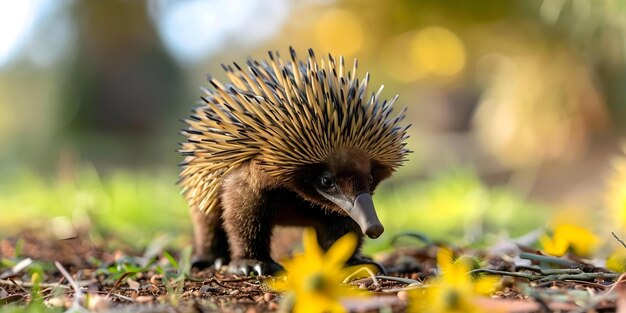
In the shadowed theaters of the Australian night, owls emerge as silent sentinels—enigmatic phantoms cloaked in feathers, guardians of the nocturnal realm. Their haunting calls echo through eucalyptus groves and moonlit marshes, weaving an ancient narrative of survival and mystique. Yet beneath their ethereal presence lies a fragile existence, challenged by a world in flux. The status of owls in Australia encompasses a tapestry of uniqueness woven with threads of peril and resilience, demanding both reverence and urgent attention.
The Unique Avian Jewels of Australia’s Nocturnal Canopy
Australia’s owl species are not mere denizens of the night; they are avian relics, steeped in evolutionary marvel. Among the most celebrated is the powerful owl (Ninox strenua), a towering figure with a gaze as piercing as a hunter’s blade. It commands the forests, a sovereign of the woodlands, its presence a barometer of ecological vitality. Then there is the southern boobook (Ninox boobook), Australia’s smallest owl, whose melodic calls pierce the velvet darkness like spectral whispers. Each species, whether the enigmatic barking owl or the elusive masked owl, carries a script written by the winds of time—a script underscored by adaptation, specificity, and an undeniable allure.
These owls embody the spirit of their environment, their plumage mirroring the mottled shadows of the woodland floor, their flight a silent poem in motion. Their adaptations are as diverse as the Australian landscape itself, from arid scrublands to temperate rainforests, illustrating a profound interdependence with their habitats.
Ecological Roles: Architects of Balance in the Night
Owls serve as indispensable architects of Australia’s nocturnal ecosystems, sculpting the delicate balance of predator and prey. Their diet primarily consists of small mammals, insects, and occasionally other birds, acting as natural regulators of population dynamics. Through predation, they mitigate the proliferation of rodent pests that could wreak havoc on both native flora and agricultural landscapes.
More than mere hunters, their presence signals a healthy ecosystem. The echoes of their calls reverberate through biodiversity, a sonorous thread binding together the complex web of life. Their nesting habits—often in tree hollows carved over centuries—also promote ecological continuity, benefiting other species that share these arboreal sanctuaries.
Threats Cast Upon the Winged Specters
Despite their stoic endurance, owls in Australia face an ever-darkening horizon of threats, each more insidious than the last. Habitat loss ranks foremost—a brutal assault manifesting as deforestation, land clearing for agriculture, and urban sprawl that tears apart the fabric of their wooded realms. The hollow-bearing trees, critical for nesting, are dwindling, stripping owls of their sanctuaries and forcing many into precarious survival on fragmented landscapes.
Climate change weaves its uncertain, shifting winds through the owls’ realms, altering prey availability and habitat suitability with capricious severity. Extended droughts and altered fire regimes exacerbate these conditions, often transforming lush habitats into inhospitable wastelands. The once predictable rhythm of seasons becomes erratic, and the owls’ finely tuned ecological dance falters.
Human encroachment does not end at habitat loss. The insidious spread of invasive species—feral cats, foxes, and rats—introduces new rivals and predators, decimating native fauna and upsetting the ecological equilibrium on which owls depend. Scattered poisoning from rodenticides further compromises their health, a toxic byproduct of attempted pest control that reverberates up the food chain.
Conservation Endeavors: Lighting the Path Through Darkness
The desperate plight of Australia’s owls has ignited a beacon of conservation hope. Protection of habitats through national parks and reserves forms the frontline defense, preserving critical woodland expanses and hollow-bearing trees. Restoration projects aimed at revegetation not only reclaim lost territories but also reinforce the ecological corridors necessary for owl dispersal and genetic diversity.
Research initiatives delve into understanding owl behaviors, population dynamics, and specific habitat requirements, enabling targeted conservation strategies. Community engagement has proven equally vital—citizens participating in nocturnal surveys and nest box programs have fostered a renewed connection between people and these nocturnal marvels.
Yet the battle is far from over. Conservation must embrace a multifaceted approach, integrating fire management, invasive species control, and sustainable land use practices to weave a resilient future for owls and their ecosystems.
The Cultural and Symbolic Resonance of Australian Owls
Owls transcend their biological importance, permeating Australian culture with a mystique that captivates both Indigenous lore and popular imagination. Often viewed as omens and spiritual guides, they embody dualities—wisdom and mystery, silence and power, the seen and the unseen. This symbolic significance lends profound depth to conservation efforts, intertwining ecological stewardship with cultural reverence.
Their elusive nocturnal life invites wonder and contemplation, reminding us of the fragile veils between shadow and light, knowledge and ignorance. Protecting owls thus becomes an emblematic quest to safeguard the unseen threads that sustain the natural world and the stories we cherish.
Looking Forward: Ensuring the Survival of the Night’s Silent Sentinels
Australia’s owls stand as sentinels not just of the night, but of a deep ecological wisdom that has persisted through eons. Their future hinges on the choices made today—choices that will either sever the fragile threads connecting them to their ancestral habitats or reinforce the bonds that nurture life’s nocturnal symphony.
In the delicate interplay of conservation science, community stewardship, and cultural respect lies the promise of dawn after darkness. To hear the haunting call of an owl in the Australian wilderness is to hear the pulse of a living landscape, a commitment etched in feathers and flight to coexistence and resilience.