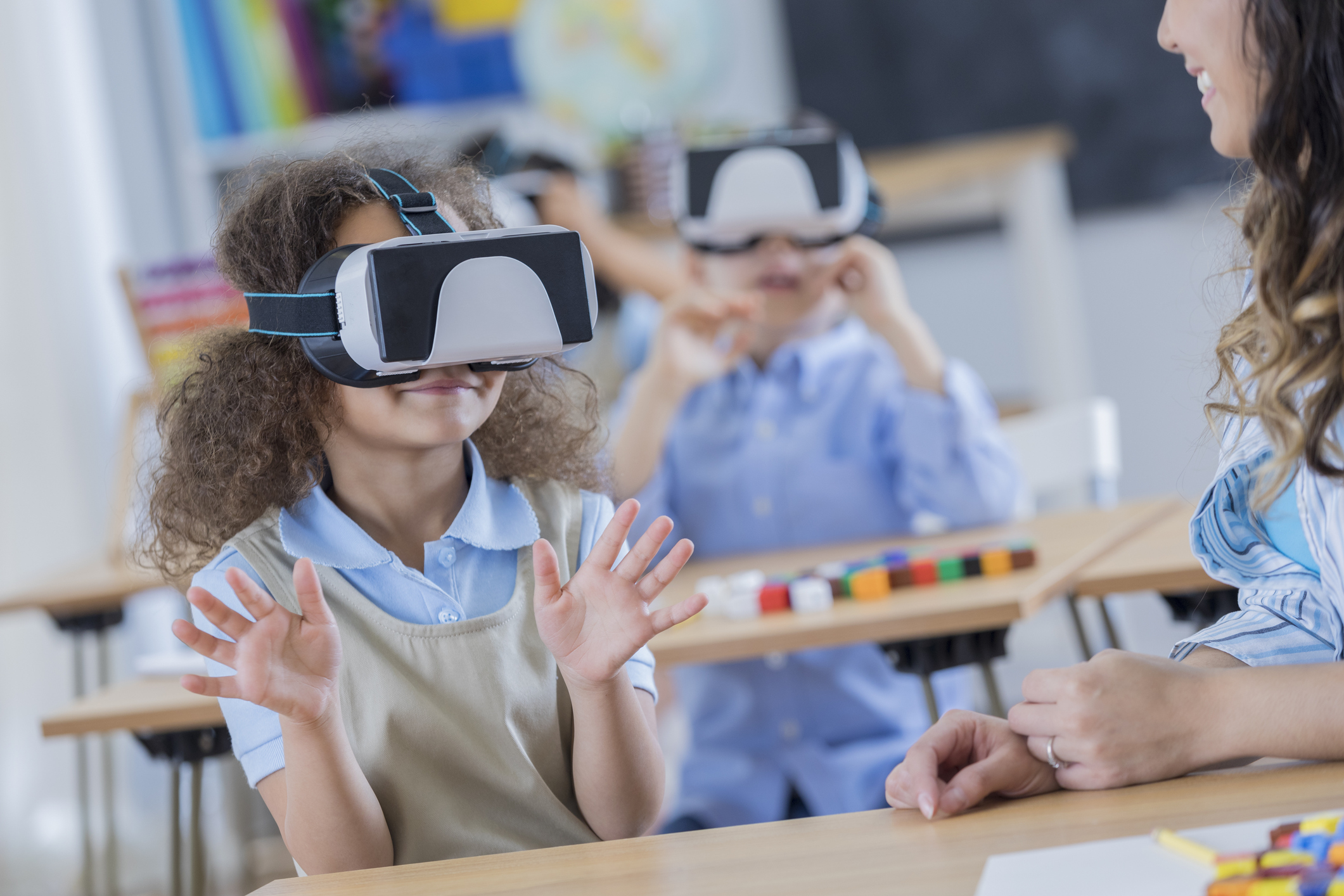
The owl, that enigmatic creature of the night, has long captivated human imagination with its silent flight and piercing gaze. Yet, in the realm of education, these birds of wisdom are often relegated to the sidelines, their potential as learning catalysts overshadowed by more conventional subjects. What if we could harness the power of technology to transform owl education into an immersive, engaging experience? Virtual reality (VR) apps and online resources offer a revolutionary way to bridge the gap between fascination and understanding, turning the study of owls into a journey of discovery that resonates with learners of all ages.
The Allure of Owls: Why They Demand Modern Pedagogy
Owls are not merely birds; they are symbols of wisdom, mystery, and nocturnal prowess. Their adaptations—silent flight, exceptional night vision, and acute hearing—make them a subject of endless intrigue. Yet, traditional education often fails to capture this magic. Textbooks and static images can only convey so much. The deeper reasons for our fascination with owls lie in their paradoxical nature: creatures of both light and dark, predators and protectors, silent yet ever-watchful. To truly appreciate owls, we must move beyond passive learning and into an interactive realm where their world comes alive.
Virtual Reality: Stepping Into the World of Owls
Imagine donning a VR headset and finding yourself perched on a tree branch, the night air crisp against your face as an owl takes flight beside you. Virtual reality apps designed for owl education can transport learners into the owls’ habitat, allowing them to experience the world from the bird’s perspective. These apps can simulate the owl’s hunting techniques, the precision of its silent flight, and the intricacies of its nocturnal environment. By immersing learners in this way, VR fosters a deeper connection to the subject matter, making abstract concepts tangible and unforgettable.
Interactive Online Resources: Beyond the Textbook
While VR offers a sensory-rich experience, online resources provide the flexibility to explore owl education at one’s own pace. Interactive websites, digital field guides, and 3D models allow learners to dissect owl anatomy, track migration patterns, and even participate in citizen science projects. These tools democratize knowledge, making it accessible to students in remote areas or those with limited resources. The beauty of online resources lies in their ability to adapt to different learning styles—whether visual, auditory, or kinesthetic—ensuring that every learner can engage with the material in a way that resonates with them.
Gamification: Turning Learning Into an Adventure
Why should education be a chore when it can be an adventure? Gamification injects playfulness into owl education, turning lessons into challenges, quizzes, and interactive games. Apps like “Owl Quest” or “Night Vision Challenge” can task learners with identifying owl species by their calls, navigating a virtual forest to track owl movements, or even designing their own owl habitats. By incorporating elements of competition, rewards, and storytelling, gamified learning taps into our innate desire for exploration and achievement, making the study of owls as thrilling as it is educational.
Augmented Reality: Blending the Real and the Virtual
Augmented reality (AR) takes owl education a step further by overlaying digital information onto the real world. Imagine pointing a smartphone at a tree and seeing an owl’s silhouette appear, complete with details about its species, behavior, and habitat. AR can transform a simple walk in the park into a learning expedition, turning everyday environments into classrooms. This technology bridges the gap between the digital and physical worlds, making owl education not just a virtual experience but a part of our daily lives.
Collaborative Learning: Building a Community of Owl Enthusiasts
Technology also enables collaborative learning, where students from around the world can connect to share their knowledge and discoveries. Online forums, social media groups, and virtual classrooms allow learners to discuss owl behaviors, share observations, and even participate in global owl conservation projects. This sense of community fosters a deeper sense of purpose, as learners realize they are part of a larger effort to understand and protect these magnificent birds. The collective wisdom of a global classroom can spark ideas and innovations that no single individual could achieve alone.
Ethical Considerations: Balancing Technology and Conservation
As we embrace technology in owl education, we must also consider its ethical implications. Virtual experiences should never replace real-world conservation efforts. Instead, they should inspire action. Educational apps can include modules on owl conservation, teaching learners about the threats owls face—habitat loss, climate change, and human interference—and how they can contribute to protecting these birds. By grounding technology in real-world impact, we ensure that the fascination with owls translates into tangible efforts to preserve them.
The Future of Owl Education: A Technological Renaissance
The fusion of technology and owl education is not just a trend; it is a revolution. As VR, AR, and online resources continue to evolve, so too will our ability to engage with the natural world in meaningful ways. The key lies in harnessing these tools not just for entertainment, but for education, conservation, and inspiration. By doing so, we can transform the study of owls from a niche interest into a global movement, one that celebrates these birds of wisdom while safeguarding their future.