
What if I told you that the silent, feathered sentinels of the night—those wide-eyed, feathered phantoms that drift through moonlit forests—are actually ancient survivors, their lineage stretching back to an era when dinosaurs still roamed the Earth? Owls, those enigmatic birds of prey, are not mere nocturnal hunters; they are living relics, whispering secrets of evolution through their haunting calls and piercing gaze. Their story is one of adaptation, resilience, and an uncanny ability to thrive where others faltered. But how did these mesmerizing creatures evolve? And what challenges did they face along the way? Let’s embark on a journey through time to uncover the origins of owls and the mysteries that shaped them.
Ecology & Environmental Science
The Role of Birding Apps in Spotted Owl Watching

In the quiet depths of dense forests, the elusive Spotted Owl weaves its mysterious presence into the tapestry of North American wildlife. Birdwatchers and conservationists alike have long been captivated by this elusive raptor, renowned not only for its distinctive spotted plumage but also for its role as an indicator species in old-growth forest ecosystems. The pursuit of observing and understanding these owls has undergone a profound transformation with the integration of birding apps—a fusion of technology and nature that expands horizons and deepens engagement. This article delves into the multifaceted role birding apps play in Spotted Owl watching, illuminating the array of content and tools at an enthusiast’s fingertips.
The Use of Isotope Analysis in Studying Owl Diet and Migration Patterns
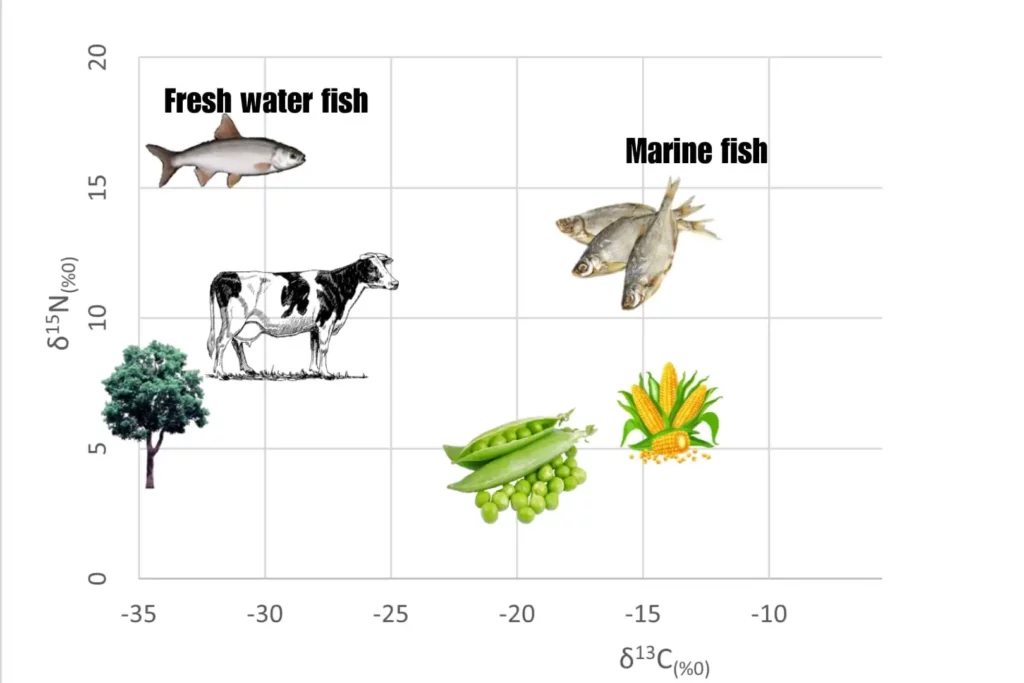
In the shadowed cloak of twilight, where the world blurs into a canvas of whispers and wings, owls reign as silent sentinels of the night. Their lives unfold in a tapestry woven with secrets—secrets of diet, migration, and survival etched not in ink, but in the very fabric of their bones. Isotope analysis, a scientific alchemy of sorts, unlocks these enigmas, transforming the silent flight of these raptors into a symphony of data. It is a dance of atoms, a ballet of chemistry, where every meal and every journey leaves an indelible mark. To study owl diet and migration through this lens is to peer into the hidden chronicles of their existence, where the past is not buried but embedded in the very marrow of their being.
How Pollution Is Affecting Owl Reproductive Success
In the hushed embrace of twilight, where the world blurs between day and night, owls reign as silent sentinels of the nocturnal realm. Their piercing gaze, adapted to the faintest glimmers of moonlight, has long symbolized wisdom and mystery. Yet, beneath this cloak of enigma lies a fragile existence, increasingly threatened by an insidious intruder: pollution. From the cacophony of urban sprawl to the silent seep of chemical toxins, the reproductive success of these enigmatic birds is under siege. The consequences ripple through ecosystems, unraveling the delicate tapestry of biodiversity. To understand this crisis is to peer into the heart of nature’s resilience—and its fragility.
Spotted Owl vs. Barred Owl: Key Differences in Behavior
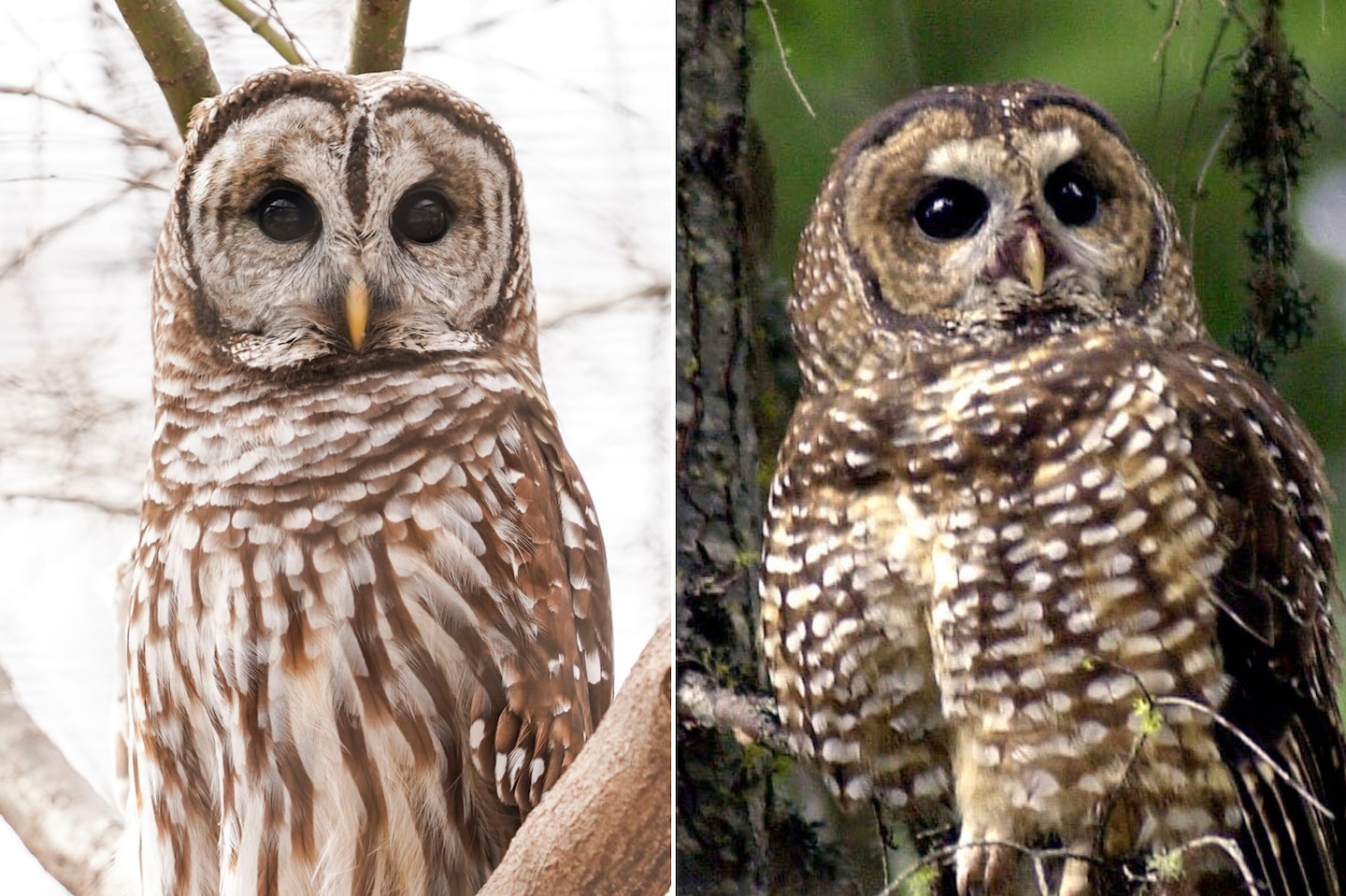
In the shadowy cathedrals of ancient forests, two owls reign as enigmatic monarchs—each weaving its own tale of survival, dominance, and mystery. The Spotted Owl and the Barred Owl, though sharing the nocturnal stage with overlapping territories and similar appearances, dance to distinctly different rhythms in their behavior. This avian duel is not merely a contest of wings and talons; it is a profound clash of ecological identities, survival strategies, and evolutionary nuances. Understanding their behavioral divergences reveals a captivating narrative of coexistence, conflict, and the delicate balances within nature’s unseen theaters.
Owls in Indigenous Australian Culture: Dreamtime Stories and Sacred Connections

In the vast, sun-scorched expanse of the Australian outback, where the earth breathes ancient secrets and the stars hum lullabies of creation, the owl glides through the night—a silent sentinel of wisdom and mystery. To the Indigenous peoples of this land, the owl is not merely a bird; it is a living embodiment of the Dreaming, a bridge between the seen and unseen, a whisperer of truths that linger just beyond the veil of the ordinary. These nocturnal creatures, with their luminous eyes and feathered veils, carry within their wings the weight of ancestral stories, the pulse of sacred law, and the unspoken promises of a world where every rustle of the bush and every shadow on the rock face tells a story older than memory itself.
The Spotted Owl’s Vocalizations: How Their Calls Differ from Barred Owls
In the shadowed realms of ancient forests, where towering conifers whisper secrets and the air vibrates with nocturnal mystery, the spotted owl’s call unfurls like an emblem of the wild’s fragile beauty. These elusive birds have captivated the imaginations of naturalists and wildlife enthusiasts alike, not just for their striking plumage and endangered status, but for the intricate vocalizations that define their existence. Yet their calls resonate against a complicated backdrop — the presence of barred owls, whose invasive calls echo aggressively, often drowning out the delicate voices of the spotted owls. Understanding the nuanced world of their vocalizations promises a profound shift in perspective, revealing much more than mere sounds; it uncovers an ecological dialogue fraught with survival, identity, and the silent wars waged in shadow and silence.
Owls and the Decline of Grassland Ecosystems
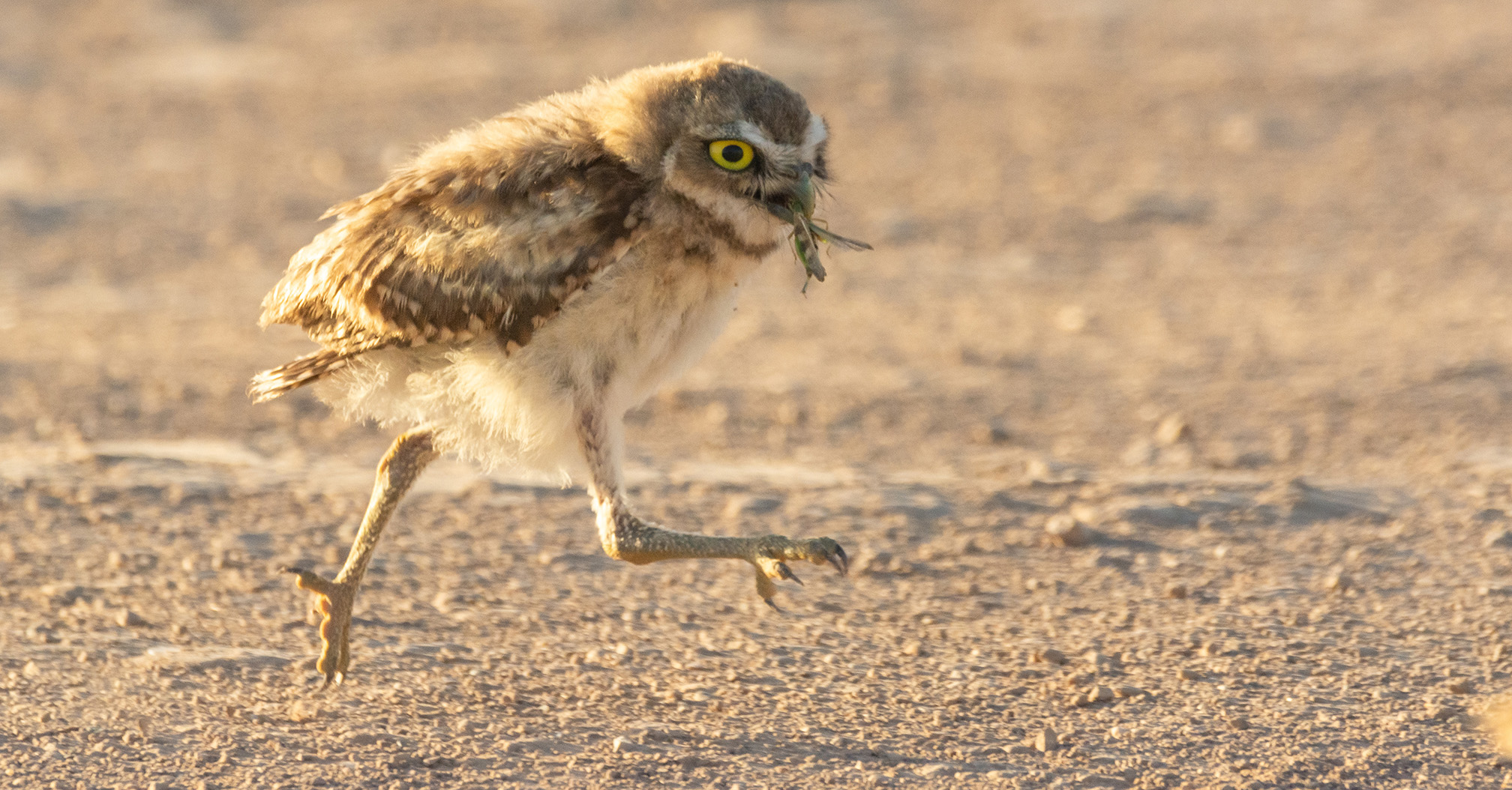
Imagine a world where the night’s symphony is missing its most hauntingly beautiful crescendo—the piercing screech of an owl cutting through the darkness like a blade through silk. What if I told you that the absence of these feathered sentinels isn’t just a loss for our auditory imagination, but a harbinger of ecological unraveling in the very grasslands that once thrived beneath their watchful gaze? The decline of grassland ecosystems is a silent crisis, and at its heart lies a paradox: the more we disrupt these open landscapes, the more we imperil the very creatures that could help restore them. Among these, owls stand as both guardians and victims, their fate inextricably woven into the fate of the prairies, meadows, and savannas that are vanishing at an alarming pace.
The Art of Patience: How to Wait for the Perfect Spotted Owl Shot
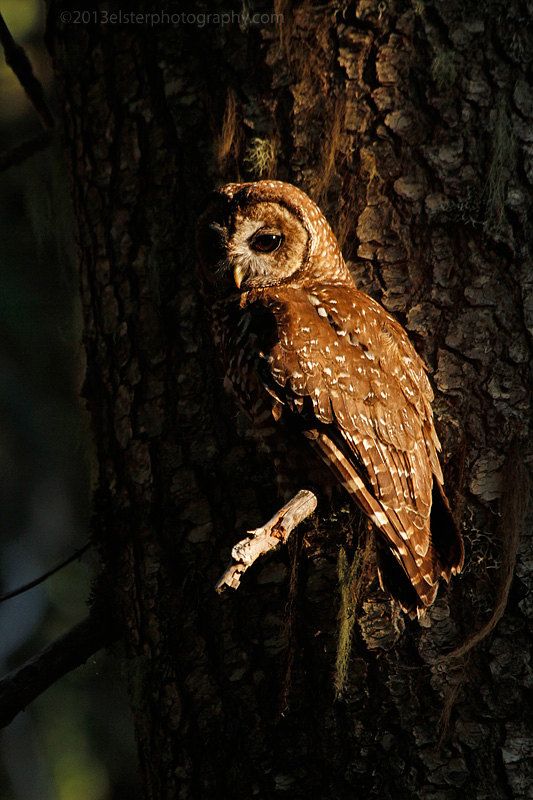
The forest breathes in hushed cadences, a symphony of rustling leaves and distant calls that echo through the ancient canopy. Here, in the twilight realm where dusk surrenders to night, the spotted owl reigns as a silent sovereign. Its presence is not announced with fanfare but revealed through the patient unraveling of time—each moment a thread woven into the tapestry of a perfect shot. To capture such a creature is not merely an act of photography; it is a meditation on stillness, a dialogue with the unseen, and a testament to the art of waiting.
How to Use Storytelling to Connect People with Spotted Owl Conservation
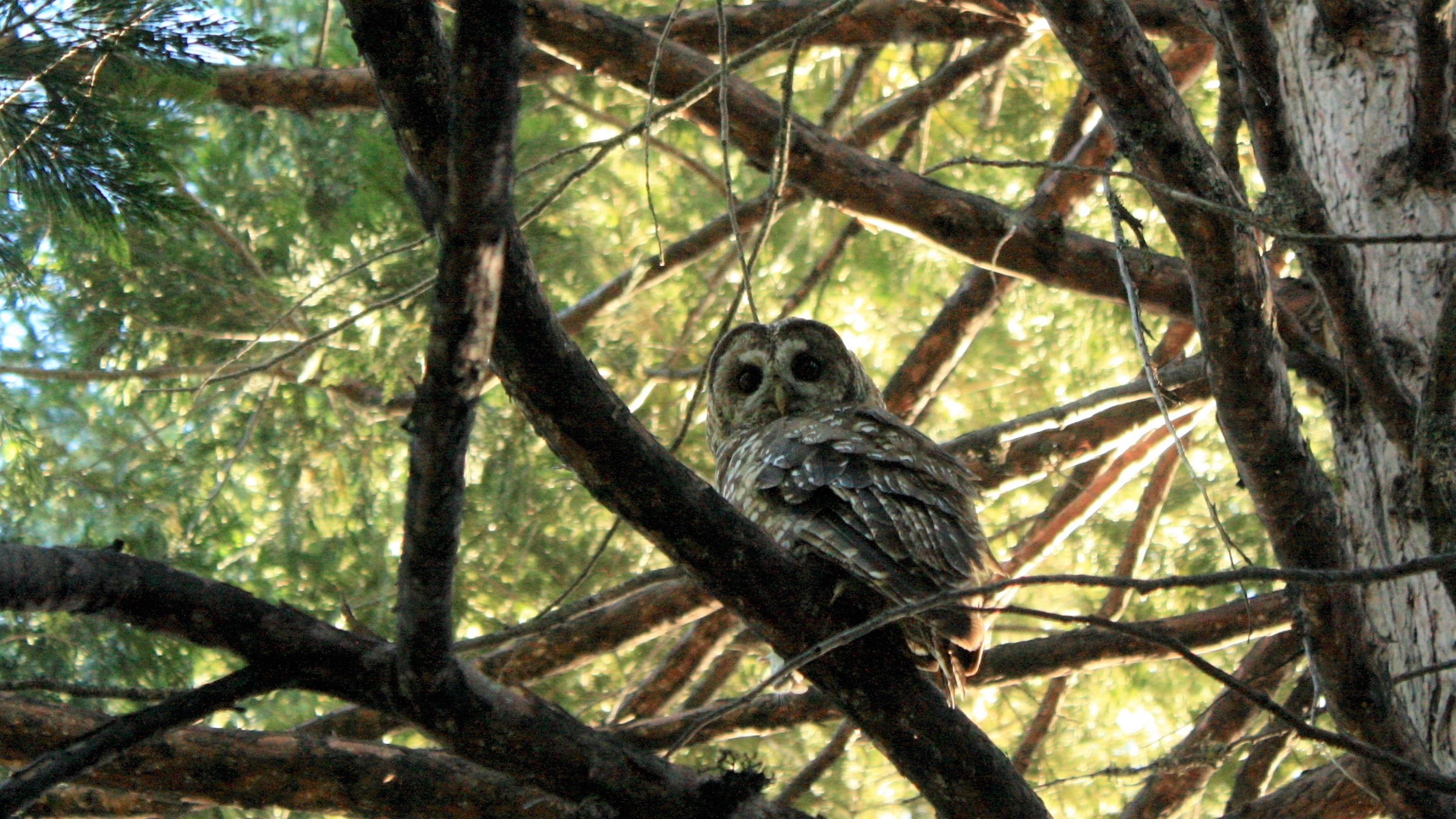
In the hushed twilight of ancient forests, where the air hums with the whispers of unseen wings, the spotted owl glides—a spectral guardian draped in dusk. Its haunting call, a sonorous echo through the canopy, stirs something primal in us. We are drawn to its mystery, its fragility, its quiet defiance against the encroaching shadows of extinction. Yet, how do we translate this fascination into action? How do we bridge the chasm between awe and advocacy? The answer lies not in cold statistics or bureaucratic jargon, but in the alchemy of storytelling—a craft that can ignite empathy, spark curiosity, and mobilize communities to protect the wild places we hold dear.