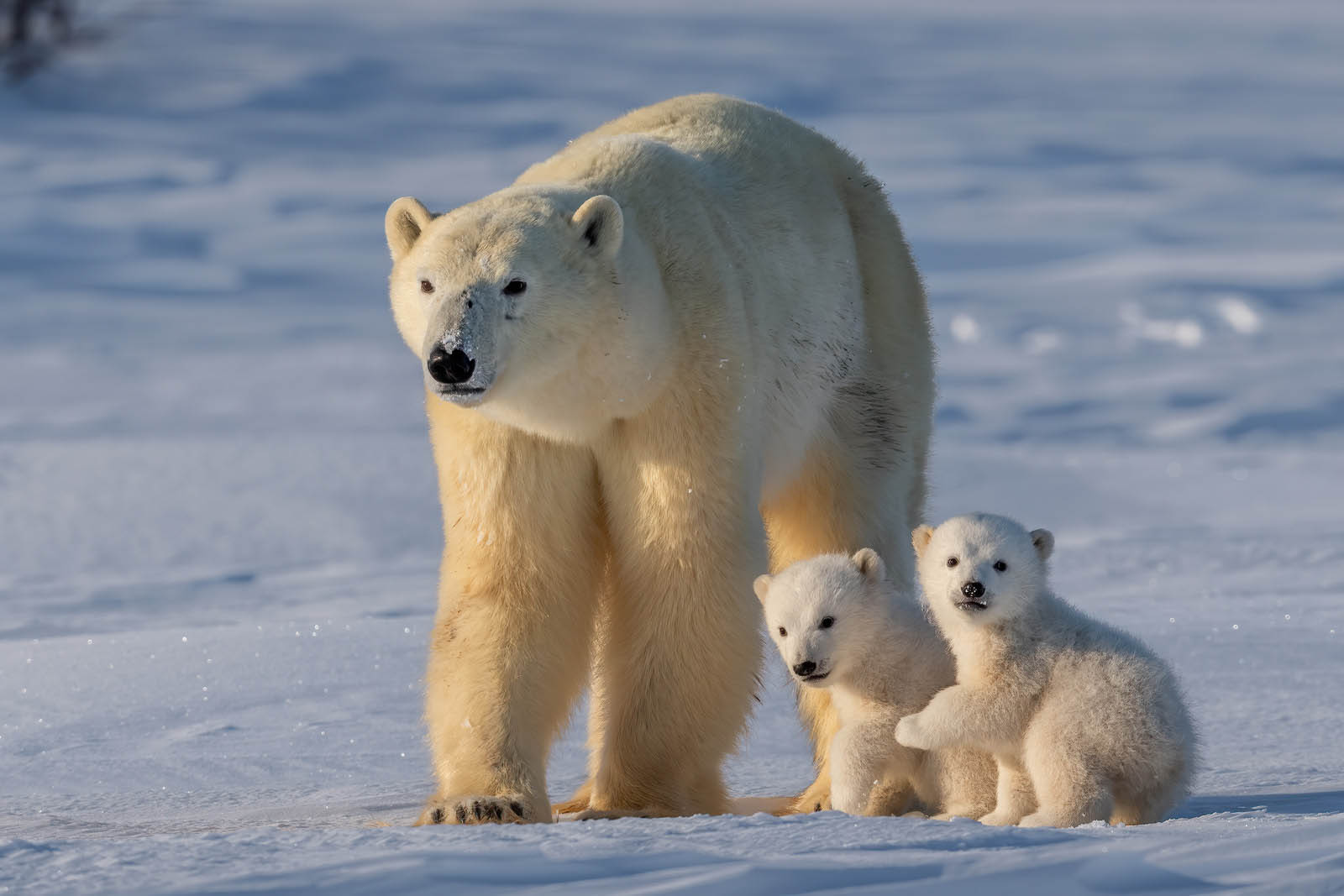
The Role of Museums in Raising Awareness About Snowy Owls and Arctic Ecology


The Role of Museums in Raising Awareness About Snowy Owls and Arctic Ecology


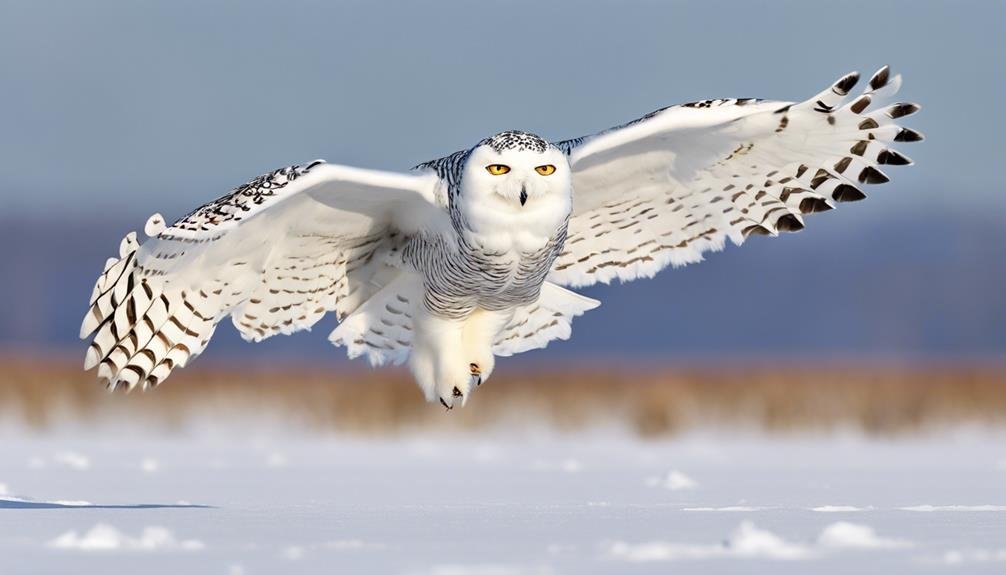
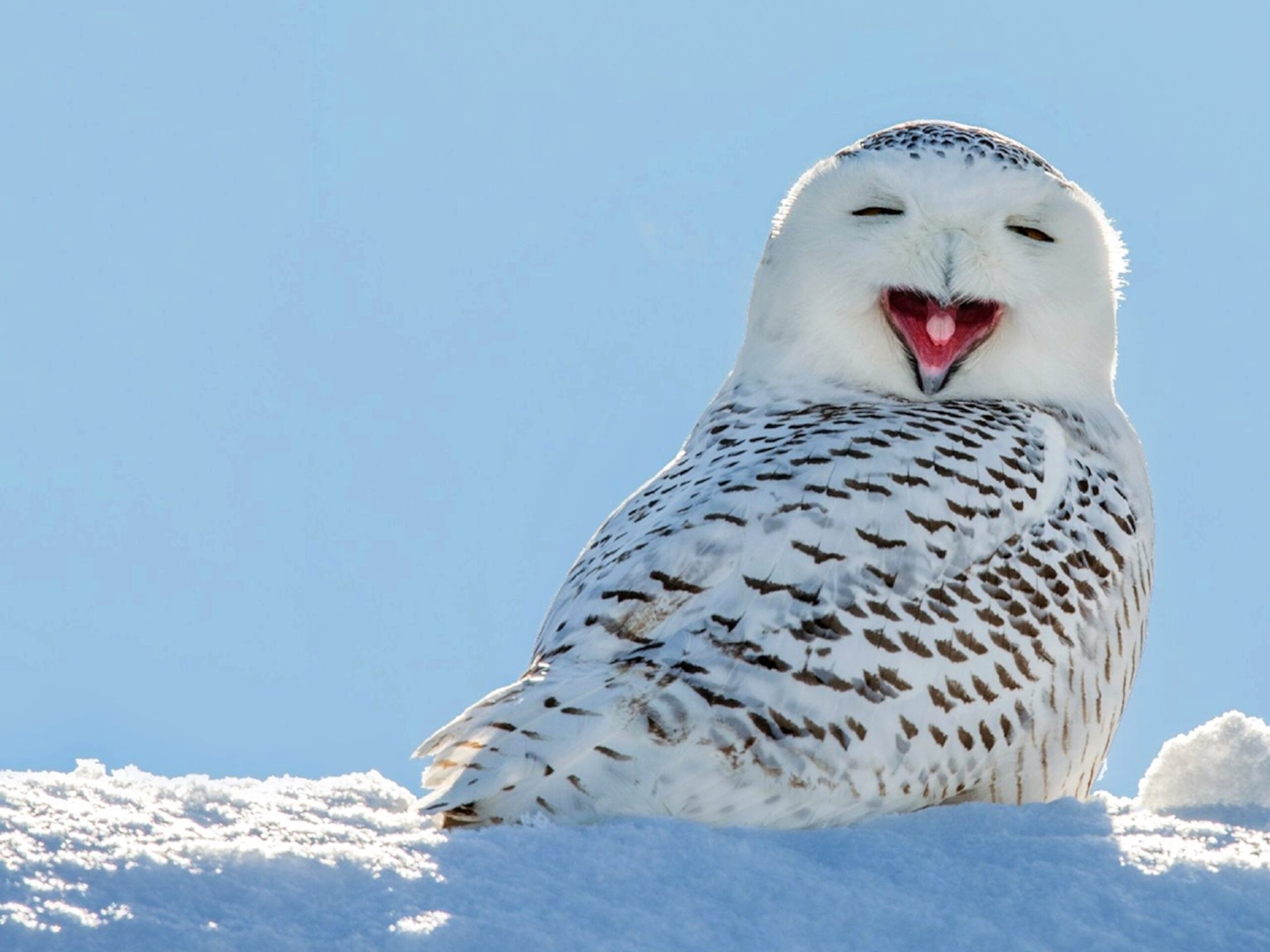
There is a peculiar magnetism to the snowy owl—a creature of stark contrasts, where the alabaster plumage of the female contrasts sharply with the dappled, charcoal-streaked feathers of the male. Museums, those bastions of curiosity and conservation, have long served as gateways to understanding such enigmatic species. They do more than merely display specimens; they weave narratives that illuminate the fragile intricacies of Arctic ecology. In doing so, they transform fleeting curiosity into enduring awareness, bridging the chasm between scientific fact and public fascination.
Read more

Thawing Permafrost: How It’s Disrupting Arctic Owl Nesting Grounds

The Arctic is a realm of stark contrasts—where the silence of endless ice is punctuated by the sudden cry of a snowy owl cutting through the frigid air. Yet beneath this frozen tableau, a silent transformation is unfolding. Permafrost, that ancient, unyielding foundation of the tundra, is thawing. And with it, the very ground that has cradled generations of Arctic owls is shifting, cracking, and sinking. This isn’t merely a geological curiosity; it’s a biological upheaval with consequences that ripple through the food web, the nesting habits of apex predators, and the delicate balance of an ecosystem already teetering on the edge of irrevocable change.

Read more

The Impact of Climate Litigation on Snowy Owl Protection Policies

The Arctic’s sentinels—snowy owls—are vanishing beneath the weight of a warming planet. Their once-endless tundra domains are fracturing under the relentless march of climate change, their survival hinged not just on shifting ecosystems but on the fierce battleground of climate litigation. This legal arsenal, wielded by activists, scientists, and communities, has become a lifeline for species teetering on the edge of extinction. But how exactly does climate litigation reshape the policies meant to protect these majestic birds? The answer lies in a labyrinth of courtrooms, regulatory loopholes, and the unyielding pressure of public outrage. From landmark lawsuits to grassroots campaigns, the fight for snowy owl preservation is being waged not just in the wild, but in the halls of justice.

Read more

Owls in African Traditions: Messengers Between the Physical and Spiritual Worlds

The owl, with its luminous eyes and silent flight, has long been a creature of paradox—both revered and reviled, a bridge between the seen and unseen. In the rich tapestry of African traditions, this nocturnal bird is far more than a mere predator; it is a celestial courier, a guardian of ancestral wisdom, and a silent witness to the mysteries that unfold under the cloak of night. Across the continent, from the savannas of the Maasai to the dense rainforests of the Congo, owls occupy a sacred space in the cultural imagination, embodying dualities that reflect the complexities of existence itself. Their presence in myths, rituals, and folklore is not a mere coincidence but a testament to their role as messengers between the physical and spiritual realms—a role that has shaped the spiritual and social fabric of countless communities.

Read more

The Spotted Owl in Modern Conservation Symbolism

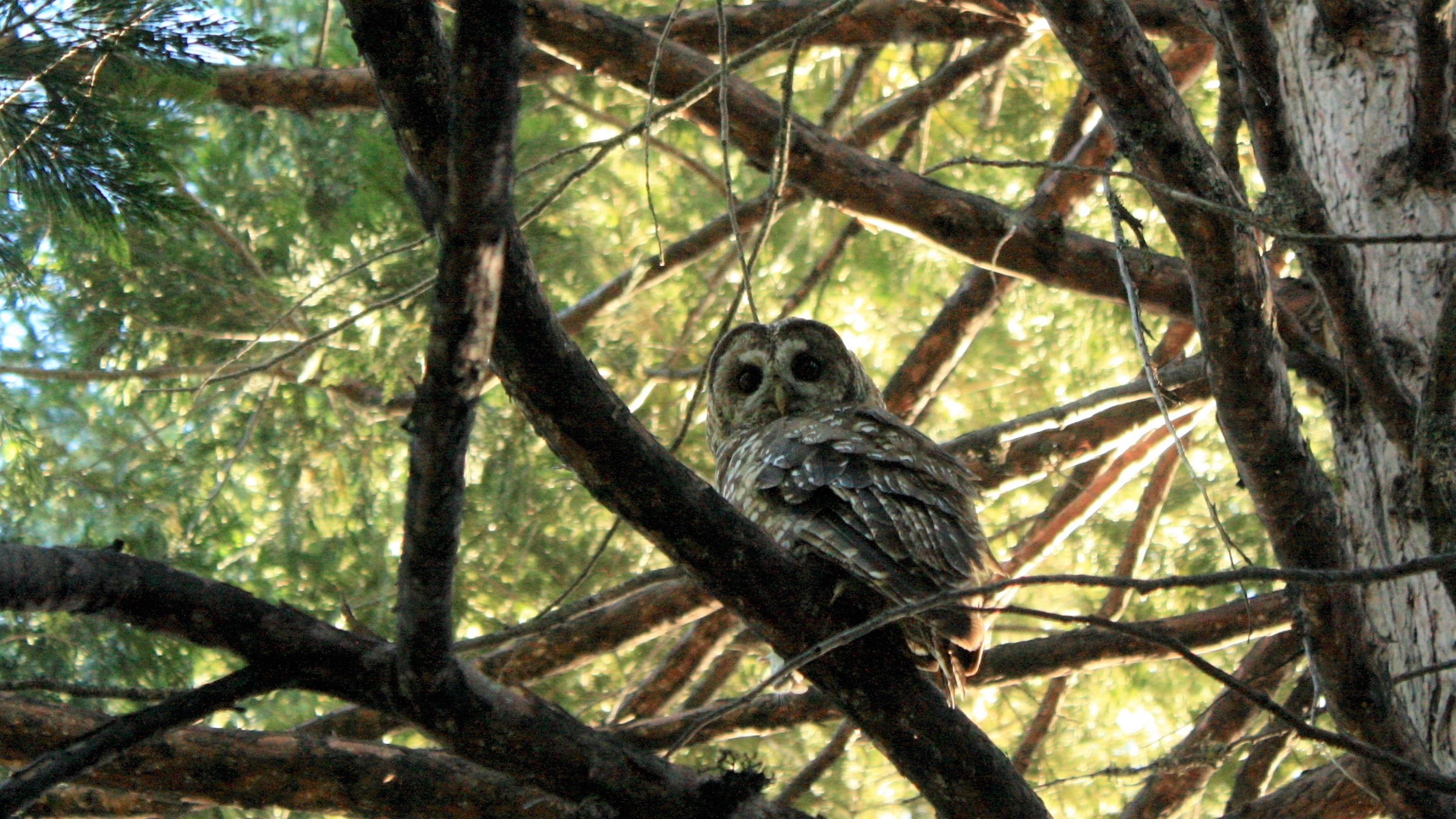
In the vast tapestry of wildlife conservation, few creatures have emerged as potent symbols quite like the spotted owl. Cloaked in mottled feathers that mirror the dappled sunlight of its ancient forest home, this elusive raptor has transcended its biological identity to become an emblem of modern ecological struggles, cultural values, and environmental hope. Its story is not merely one of survival; it is a narrative woven through the complexities of habitat preservation, scientific advocacy, and the broader discourse on humanity’s relationship with nature. The significance of the spotted owl resonates beyond biology, permeating art, policy, and collective consciousness in ways that reflect the pressing challenges of our age.

Read more

How to Engage Local Communities in Owl Conservation Efforts

Imagine a world where the night sky hums with the silent wings of guardians—where owls, those enigmatic sentinels of the dark, become the unlikely architects of ecological harmony. Yet, their survival hinges not on their own prowess alone, but on the collective will of the communities that share their habitat. Engaging local communities in owl conservation is less about imposing solutions and more about weaving a tapestry of shared purpose, where every thread—whether a farmer, a student, or an elder—contributes to a living, breathing sanctuary for these nocturnal marvels.

Read more

The Impact of Citizen Science on Owl Research and Conservation

In the hushed embrace of twilight, where the veil between day and night thins like a whispered secret, owls take flight—not just as silent hunters of the dark, but as enigmatic sentinels of an ecosystem teetering on the edge of balance. Their piercing gaze, a fusion of ancient wisdom and untamed mystery, has long captivated humanity. Yet, it is not their nocturnal prowess alone that stirs our collective imagination; it is the quiet revolution brewing in the hands of ordinary people, armed with curiosity and a smartphone, that is reshaping the very fabric of owl research and conservation. Citizen science, a phenomenon as democratic as it is transformative, has become the unsung hero of biodiversity preservation, turning backyards into laboratories and armchair naturalists into guardians of the night.

Read more

How Climate Data Is Informing Barred and Spotted Owl Habitat Models

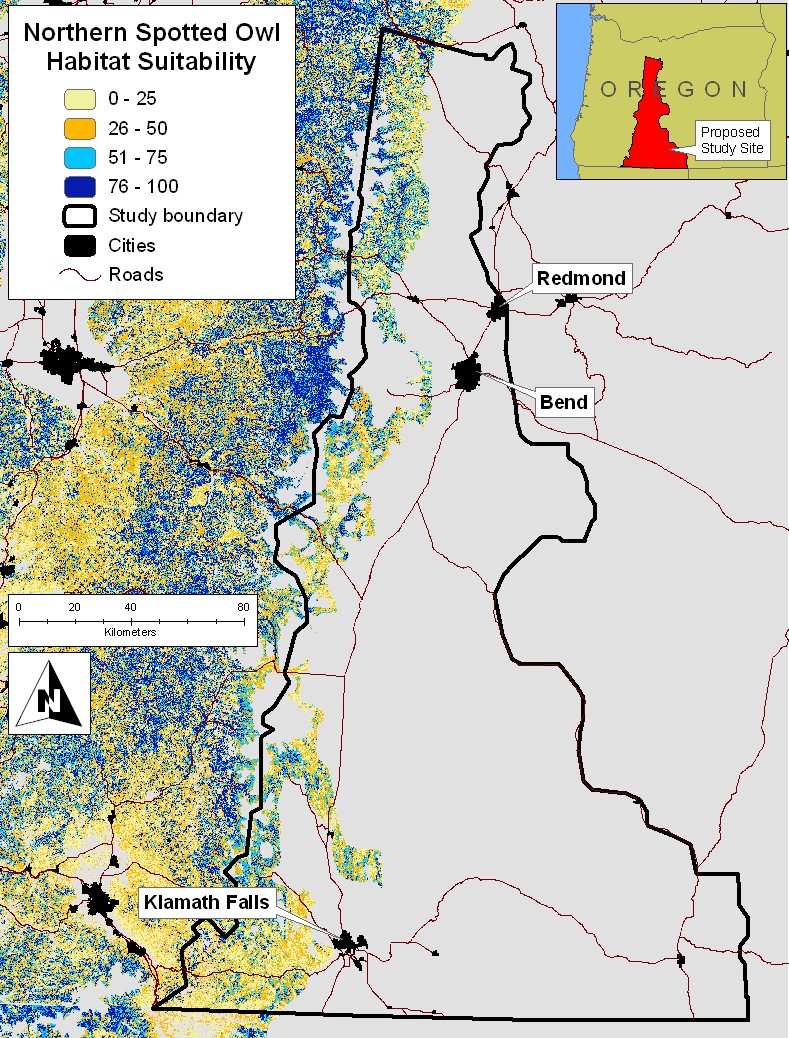
In the emerald canopies of the Pacific Northwest, where the air hums with the whispers of ancient conifers and the underbrush teems with unseen life, two owls reign as silent sovereigns of the night. The barred owl, an interloper from the east, and the spotted owl, a relic of the old-growth forests, have long been locked in a struggle for survival. But now, a new force is reshaping this battle: climate data. No longer are these birds mere subjects of ecological study; they are becoming the harbingers of a paradigm shift, their habitats mapped not just by footprints in the soil, but by the invisible threads of climate patterns. This is the story of how data is rewriting the rules of coexistence, and why the future of these owls may well hinge on our ability to listen to the whispers of the wind and the sighs of the trees.

Read more

How Snowy Owls Are Adapting to Changes in Arctic Vegetation

The Arctic tundra, a vast and seemingly barren expanse, is undergoing a silent transformation beneath its icy veneer. As temperatures rise and seasons blur, the vegetation that once defined this stark landscape is shifting—sprouting, retreating, or morphing into something unrecognizable. For the snowy owl, a creature of paradox—both a symbol of resilience and a harbinger of change—these alterations in plant life are not mere background noise. They are a symphony of challenge and adaptation, a test of survival that demands ingenuity, flexibility, and an almost poetic understanding of an ecosystem in flux. This is the story of how one of the Arctic’s most iconic predators is rewriting its own rulebook in response to the greening of the North.

Read more

How Arctic Pollution Is Affecting Snowy Owl Health

The Arctic, a realm of eternal twilight and crystalline silence, is no longer the untouched sanctuary it once was. Beneath its shimmering auroras and frost-kissed landscapes, a silent crisis unfolds—one that threatens the very sentinels of the tundra: the snowy owls. These ethereal birds, with their moonlit plumage and piercing amber eyes, are not merely victims of climate change; they are canaries in a frozen coal mine, their health a barometer of an ecosystem teetering on the edge of collapse. Arctic pollution, a specter woven from industrial effluence, microplastics, and toxic chemical whispers, is infiltrating their world, rewriting the rules of survival in ways both insidious and irreversible.

Read more