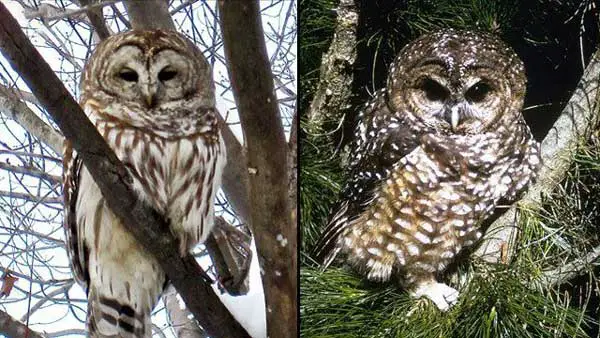
Imagine, for a moment, that you are a barred owl—perched high in the canopy of an ancient forest, your piercing eyes scanning the underbrush for the faintest rustle of a mouse. You return to your nest, a carefully woven sanctuary of twigs and moss, to find it disturbed by an intruder: a spotted owl, your ecological rival. Now, what if I told you that high above, a silent sentinel in the sky—a satellite—is watching this very scene, its mechanical gaze trained not on you, but on the patterns of your nest hidden in the foliage? And what if, instead of a human scientist trekking through dense woods, a machine learning algorithm is the one identifying your home from space?
Ecology & Environmental Science
Barred vs. Spotted Owls in Mythology: Contrasting Symbols
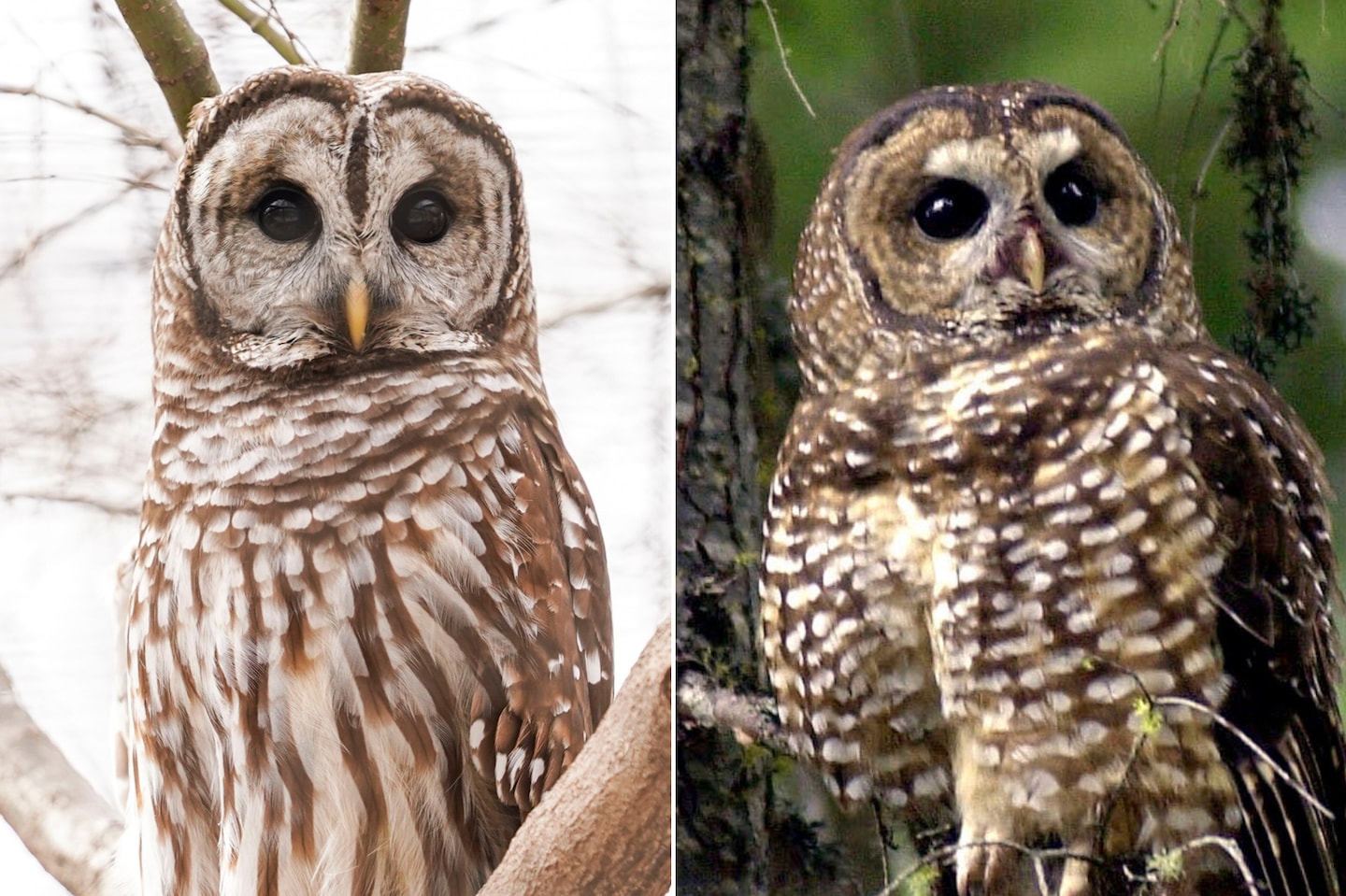
In the twilight world of mythology, owls have always held a place of enigmatic significance. They are creatures of the night, guardians of the unseen, and symbols layered with rich, contrasting meanings. Among these nocturnal birds, the barred owl and the spotted owl stand out not merely as distinct species but as potent symbols whose stories weave through diverse cultures and ancient lore. Through their symbolic contrast, these owls invite a profound reconsideration of how darkness, wisdom, and transformation are perceived across mythological narratives. This exploration promises to shift the conventional perspective on these creatures, sparking curiosity about the ways nature’s subtle nuances echo through human belief systems.
Barred Owls in Dreams: What Do They Symbolize?
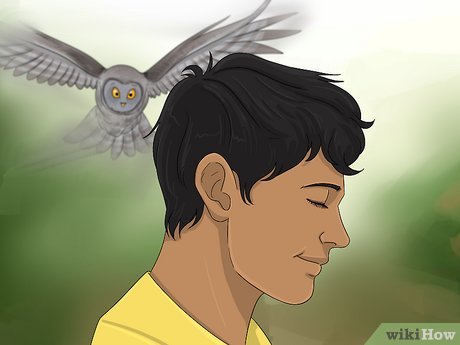
In the silent theater of the night, where shadows stretch long and the veil between worlds thins, the barred owl makes its enigmatic presence known. To dream of this elusive bird is to summon a symbol drenched in mystery and steeped in primal wisdom. Unlike the commonplace owl cloaked in the fabric of folklore, the barred owl carries an intricate tapestry of meaning that beckons deeper introspection. It doesn’t merely represent the obscure; it whispers secrets of the soul’s journey, cloaked in muted, haunting calls echoing through the corridors of the subconscious.
The Role of Old-Growth Forests in Spotted Owl Survival
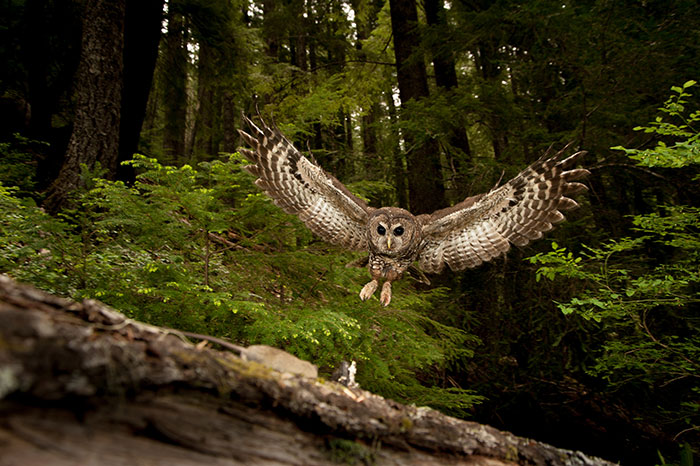
Old-growth forests stand as living testaments to the passage of time, bearing silent witness to centuries of ecological harmony and complexity. Among the myriad creatures that call these ancient woodlands home, the spotted owl (Strix occidentalis) holds a particularly evocative place in the narrative of forest conservation. The intricate relationship between spotted owls and old-growth forests transcends mere habitat preference; it is a testament to the profound interdependence that shapes biodiversity and ecosystem resilience. Exploring this nexus reveals how the preservation of these venerable forests is imperative not only to the survival of the spotted owl but also to the broader tapestry of life they sustain.
The Ecological Impact of Barred Owls: Are They Disrupting Entire Forest Ecosystems?
The barred owl, with its haunting, rhythmic call that echoes through the ancient woodlands like a ghostly metronome, has long been a symbol of the untamed wilderness. But beneath its enigmatic charm lies a paradox: a species both revered and reviled, celebrated for its adaptability yet feared for its ecological audacity. Once confined to the dense forests of the eastern United States, this owl has expanded its domain with relentless precision, encroaching upon the territories of its northern cousin, the spotted owl—a creature already teetering on the precipice of survival. The barred owl’s migration westward is not merely a tale of biological conquest; it is a disruption, a silent upheaval of ecosystems that have evolved in delicate balance for millennia. To understand its impact is to peer into the heart of nature’s fragility, where every ripple in the food web sends shockwaves through the underbrush, the canopy, and the very soul of the forest.
How Owls Influence Bird Migration Patterns: Indirect Ecological Connections
In the vast, whispering tapestry of the night, where the moon casts its silver net over the earth, owls glide with silent wings—a paradox of stillness and motion. These nocturnal sentinels, draped in feathers of dusk and dawn, are not mere spectators to the grand ballet of bird migration. They are its unseen choreographers, pulling invisible strings that shape the rhythms of avian journeys across continents. The migration patterns of birds are a symphony written by the wind, but the owls? They are the maestros, their presence a silent overture that dictates tempo, direction, and even survival. To understand migration is to peer into a web of indirect ecological connections, where the owl’s role is as enigmatic as it is essential.
How Spotted Owls Are Adapting to Changing Forest Conditions
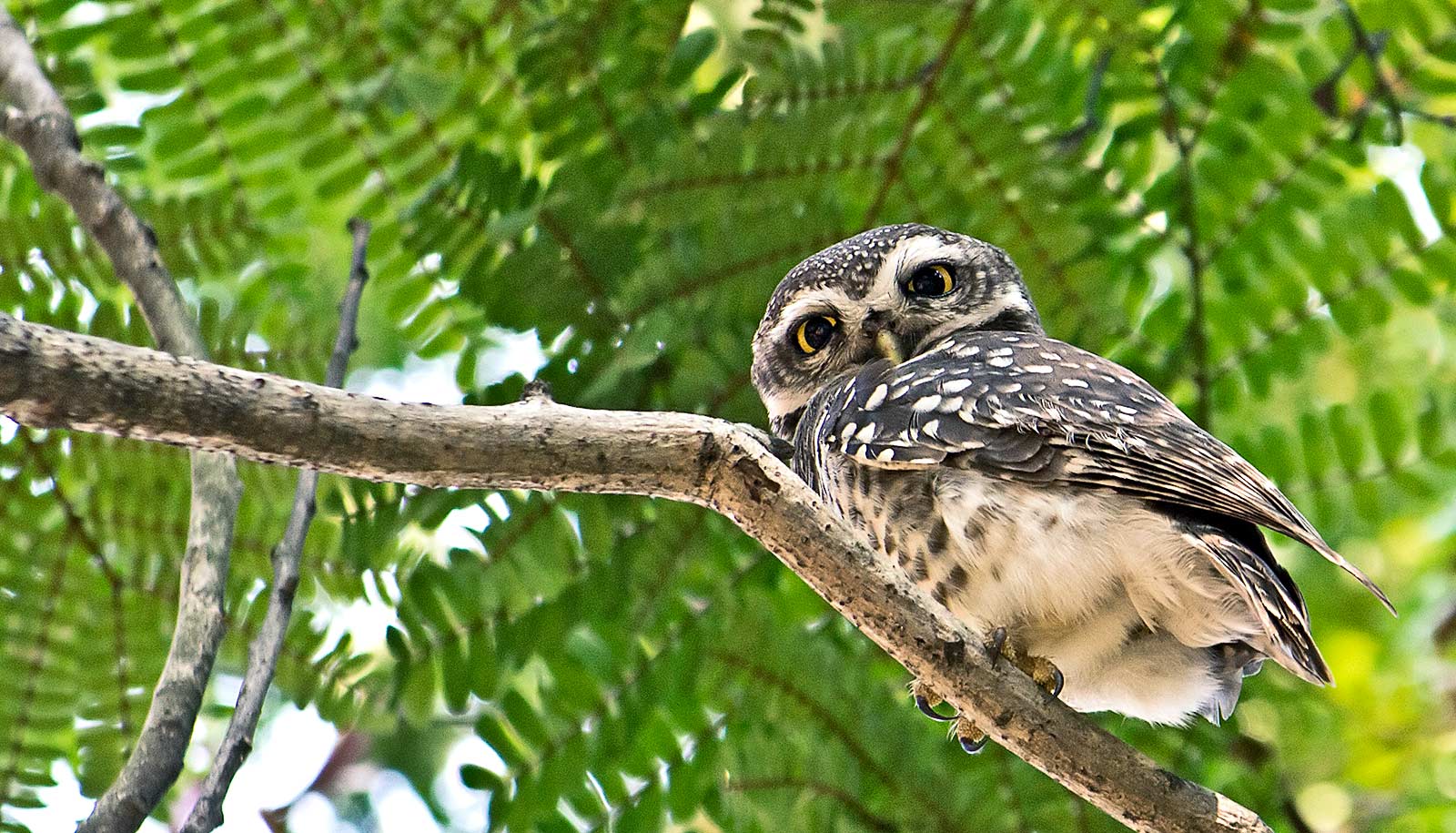
There is something undeniably captivating about the elusive presence of the spotted owl, a creature whose stoic gaze and ghostly flight have long stirred human fascination. Observers frequently note the quiet elegance with which these owls navigate forest realms that are in flux—thickets of pine and fir bowing to shifting climates, growing wildfires, and human encroachments. Yet, beyond the surface lies a story not just of survival but of unexpected adaptability. How have these creatures, symbols of old-growth forest vitality, begun to rewrite their own existence in the face of relentless environmental change? Their evolving behaviors and habitat choices invite us into a nuanced tableau of resilience, one that reshapes our understanding of nature’s capacity for endurance.
The Impact of Ecotourism on Invasive Owl Species Management
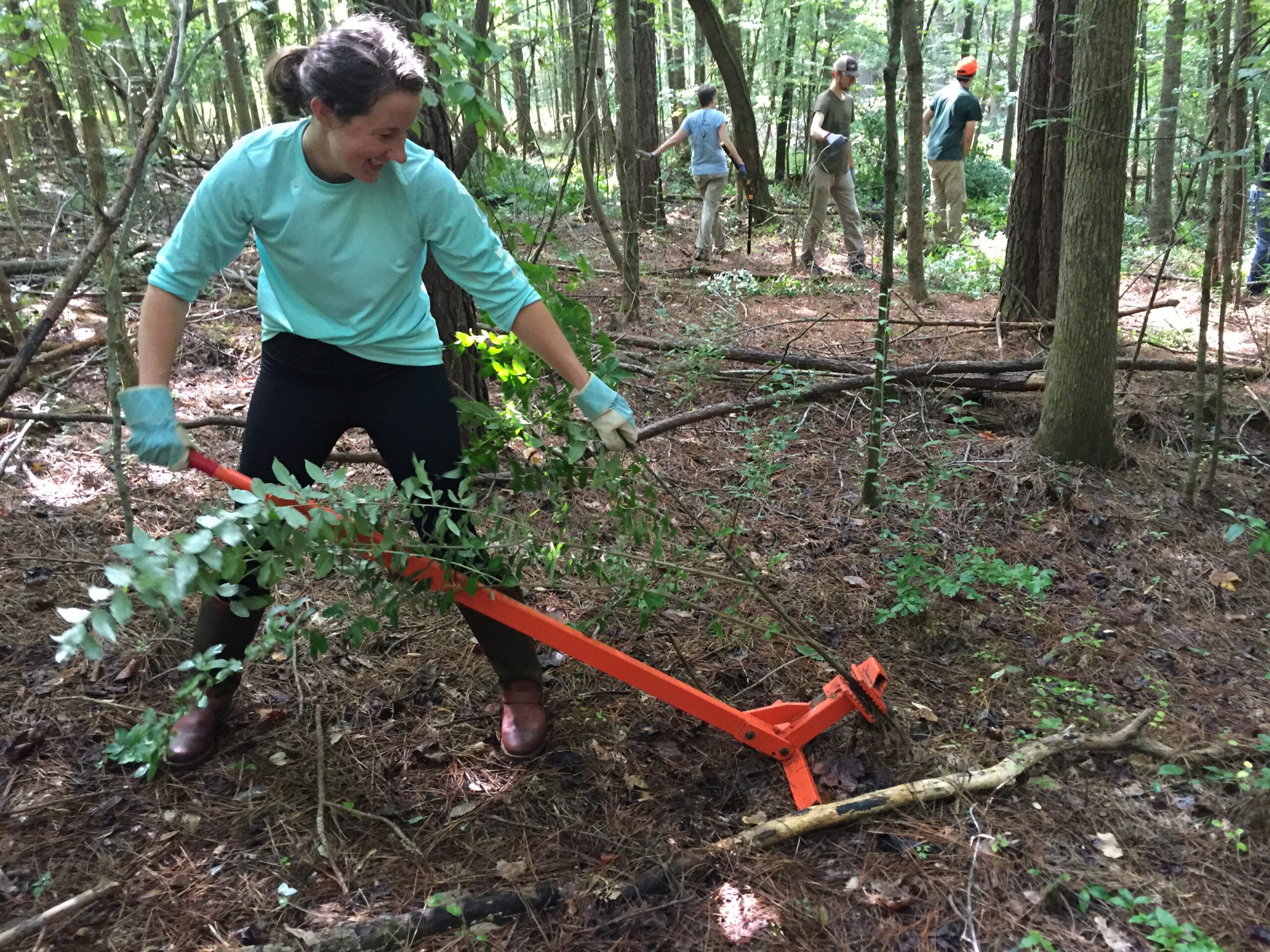
In the tangled web of ecological restoration, few narratives are as fraught with paradox as the intersection of ecotourism and invasive species management. The owl, that silent sentinel of the night, has become an unwitting ambassador in this drama—a feathered diplomat navigating the treacherous currents of human intervention. Ecotourism, often hailed as a panacea for conservation, now finds itself entangled in a delicate dance with the very species it seeks to protect. This is not merely a story of conservation; it is a tale of unintended consequences, where the wings of progress cast long shadows over the fragile ecosystems we strive to preserve.
The Spotted Owl in Art: How Artists Have Depicted This Iconic Bird
The spotted owl, with its haunting eyes and mottled plumage, has long captivated the imaginations of artists across centuries and cultures. This enigmatic bird, emblematic of the shadowy depths of old-growth forests, carries an aura of mystique and quiet vigilance that renders it a compelling subject in various artistic expressions. Through paintings, sculpture, photography, and contemporary digital media, the spotted owl has transcended mere ornithological interest to become a symbol deeply embedded in ecological, cultural, and aesthetic discourse. Exploring how artists have depicted this iconic bird unveils a rich tapestry of creative interpretations, each unraveling unique perspectives on its elusive charisma and the profound connections it fosters with its natural environment.
How AI Is Helping Predict Barred Owl Expansion
In the shadowy cathedral of the forest, where moonlight weaves through ancient branches and silence speaks volumes, the barred owl prowls like a ghostly oracle. Its haunting call and striking pattern have long captivated naturalists and casual observers alike. Yet, behind this mysterious feathered sentinel lies an unfolding tale — one not just of nature’s quiet expansion, but of cutting-edge technology soaring alongside it. Artificial Intelligence, like a patient cartographer of destiny, now maps the future courses of the barred owl’s silent crusade. This fusion of biology and technology pierces through the twilight, illuminating pathways of expansion previously shrouded in uncertainty.