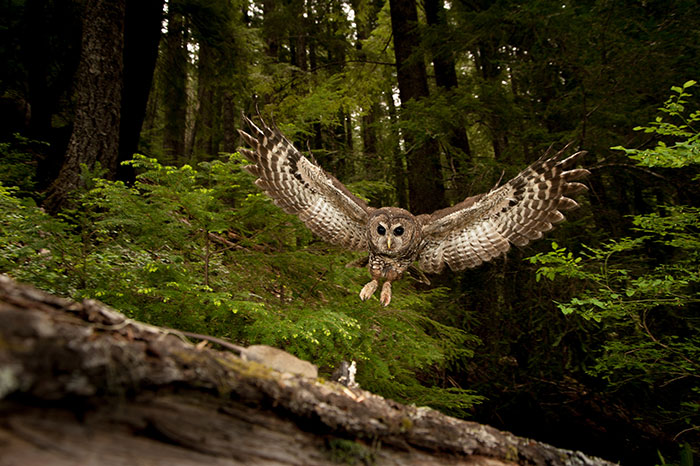
Old-growth forests stand as living testaments to the passage of time, bearing silent witness to centuries of ecological harmony and complexity. Among the myriad creatures that call these ancient woodlands home, the spotted owl (Strix occidentalis) holds a particularly evocative place in the narrative of forest conservation. The intricate relationship between spotted owls and old-growth forests transcends mere habitat preference; it is a testament to the profound interdependence that shapes biodiversity and ecosystem resilience. Exploring this nexus reveals how the preservation of these venerable forests is imperative not only to the survival of the spotted owl but also to the broader tapestry of life they sustain.
The Ecological Characteristics of Old-Growth Forests
Old-growth forests are defined not solely by their age but by their structural complexity and the coexistence of features such as towering, ancient trees, multilayered canopies, and rich understories. These forests boast a mosaic of microhabitats, from decaying snags to deep root systems, offering a dynamic array of ecological niches. The structural heterogeneity promotes biodiversity, creating conditions that are far different from secondary or managed forests.
For spotted owls, the presence of large, old trees is crucial. These giant conifers provide ideal nesting platforms, offering shelter and vantage points for hunting. The dense canopy further affords protection from predators and harsh weather extremes. Additionally, the abundance of fallen logs and intricate ground cover contributes to a robust prey base, supporting populations of small mammals and other creatures the spotted owl relies upon for sustenance.
Habitat Specificity and the Spotted Owl’s Dependence
Unlike many raptors that can adapt to diverse environments, the spotted owl exhibits pronounced habitat specificity, making it particularly vulnerable to changes in forest structure. Its life history traits — including fidelity to nesting sites and limited dispersal capability — tether the species closely to old-growth conditions.
The complexity of old-growth forests facilitates essential behaviors such as hunting, roosting, and breeding. Spotted owls require contiguous tracts of mature forest, as fragmented habitats disrupt their foraging efficiency and increase risks from predators and competitors. The dense, multilayered foliage conceals owls from competitors like barred owls, whose expansion into spotted owl territory has been exacerbated by habitat alteration.
Threats Posed by Logging and Habitat Fragmentation
Forestry practices that target old-growth trees for timber directly threaten the spotted owl’s survival. Logging reduces canopy cover, breaks habitat continuity, and decreases the availability of suitable nesting sites. Fragmentation isolates owl populations, leading to genetic bottlenecks and diminishing reproductive success.
The encroachment of human activities, combined with altered fire regimes, complicates conservation efforts. The loss of large, senescent trees diminishes critical habitat features such as cavities and perches. Furthermore, degraded forests often become more susceptible to invasive species and pests, subtly altering the ecological equilibrium that spotted owls depend upon.
The Role of Conservation Strategies in Sustaining Old-Growth Habitats
Effective conservation strategies must prioritize the preservation and restoration of old-growth forest characteristics. This includes establishing protected reserves, enforcing sustainable forestry practices, and promoting landscape connectivity. Recovery plans often emphasize the retention of key habitat elements such as multi-storied canopies and deadwood.
Adaptive management that integrates scientific research and traditional ecological knowledge promotes resilience, ensuring that forests can withstand environmental changes and continue to support sensitive species like the spotted owl. Additionally, collaborative efforts among governmental agencies, indigenous communities, and conservationists enhance the efficacy of habitat protection initiatives.
The Broader Ecological Implications of Old-Growth Forest Preservation
Protecting old-growth forests for the spotted owl’s survival imparts benefits far beyond this emblematic species. These ancient ecosystems act as carbon sinks, mitigating climate change impacts. Their complex web of interactions supports myriad plants, fungi, and fauna, contributing to watershed integrity and soil health.
The persistence of old-growth forests maintains ecological processes that sustain life cycles, nutrient recycling, and habitat heterogeneity. By safeguarding these environments, society preserves natural heritage and ensures ecosystem services vital to human well-being. In this way, the spotted owl becomes a sentinel species, signaling the health of broader environmental systems.
Scientific Research and Monitoring: Guiding Future Efforts
Ongoing scientific inquiry is indispensable in elucidating the intricate dependencies between spotted owls and old-growth forests. Long-term monitoring programs track population trends, habitat quality, and the effects of interventions. Such data inform adaptive strategies that can respond to emerging threats like climate variability and invasive competitors.
Innovative technologies, including remote sensing and bioacoustics, enhance the precision of habitat assessments and population surveys. These tools enable conservationists to pinpoint critical habitat zones and detect early signs of ecosystem stress, facilitating timely action. Moreover, interdisciplinary research fosters a holistic understanding that bridges ecology, sociology, and policy-making.
Old-growth forests embody the culmination of natural processes over centuries, sculpting an environment uniquely suited to the spotted owl’s survival. The stewardship of these ancient woodlands demands unwavering commitment, informed by science and guided by reverence for the intricate bonds that weave life into the forest’s fabric. In safeguarding old-growth habitats, the legacy of the spotted owl and the ecological grandeur it represents can endure for generations to come.