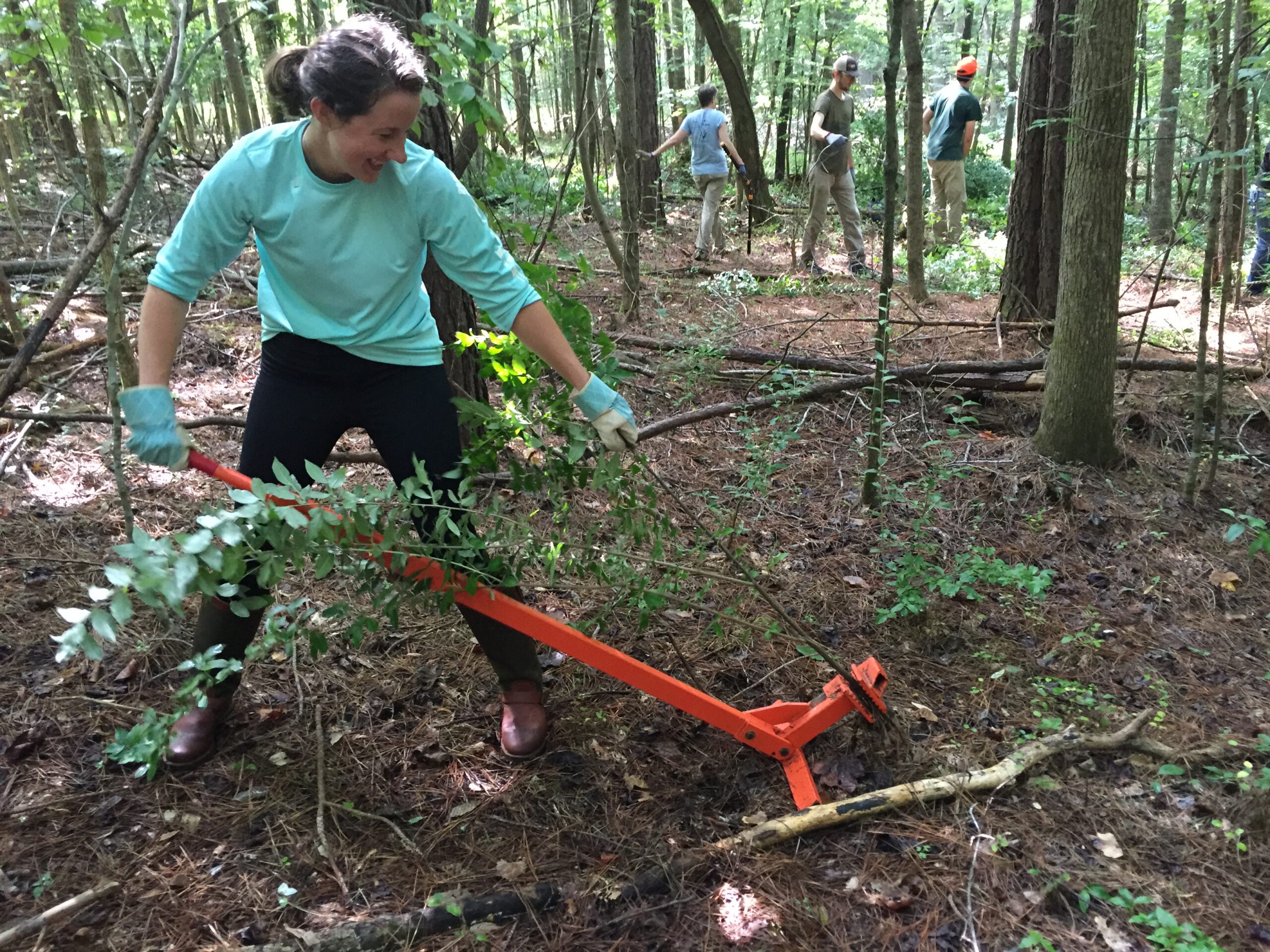
In the tangled web of ecological restoration, few narratives are as fraught with paradox as the intersection of ecotourism and invasive species management. The owl, that silent sentinel of the night, has become an unwitting ambassador in this drama—a feathered diplomat navigating the treacherous currents of human intervention. Ecotourism, often hailed as a panacea for conservation, now finds itself entangled in a delicate dance with the very species it seeks to protect. This is not merely a story of conservation; it is a tale of unintended consequences, where the wings of progress cast long shadows over the fragile ecosystems we strive to preserve.
The Duality of Ecotourism: A Double-Edged Sword for Biodiversity
Ecotourism, with its promise of sustainable travel and community empowerment, has long been lauded as a force for good. Yet, when wielded carelessly, it can become a Trojan horse, smuggling disruption into the heart of delicate habitats. The allure of witnessing rare species in their natural glory often blinds even the most conscientious travelers to the ecological footprints they leave behind. Invasive owl species, introduced through human activity or accidental translocation, thrive in disturbed environments—where ecotourism’s infrastructure carves through forests and wetlands like a blade through silk.
Consider the paradox: the same tourists who flock to observe nocturnal raptors may unknowingly facilitate their spread. Roads, lodges, and guided trails fragment habitats, creating corridors for invasive owls to colonize new territories. The irony is bitter—our reverence for nature often disturbs it more than our neglect ever could. The owl, once a symbol of wisdom and mystery, now finds itself at the mercy of an industry that claims to protect it.
The Ecological Ripple Effect: How Invasive Owls Reshape Ecosystems
Invasive owls are not mere interlopers; they are ecological disruptors, their presence sending shockwaves through the food web. Unlike their native counterparts, these interlopers lack natural predators, allowing their populations to balloon unchecked. Small mammals, ground-nesting birds, and even other nocturnal predators bear the brunt of their predation. The result is a cascade of extinctions, a domino effect where the loss of one species triggers the decline of others.
Take, for instance, the case of the invasive barred owl in North America. Once confined to eastern forests, its relentless expansion into the habitats of the endangered spotted owl has turned the latter into an ecological refugee. The barred owl’s adaptability—its ability to thrive in fragmented landscapes—mirrors the adaptability of the ecotourism industry itself. Both are beneficiaries of human disruption, and both exact a price from the ecosystems they infiltrate.
The owl’s nocturnal reign is not just a matter of predation; it is a cultural erasure. Native species, evolved over millennia, find their niches usurped by an outsider that thrives in the chaos of human activity. The forest, once a symphony of interwoven lives, becomes a cacophony of displaced voices.
Ecotourism’s Blind Spot: The Invisible Cost of Conservation Theater
Ecotourism often operates under the guise of sustainability, yet its practices can be as extractive as the industries it seeks to replace. Guided tours, night-vision excursions, and even the construction of eco-lodges can disturb the very species they aim to protect. The owl, a creature of shadows, is particularly vulnerable to the encroachment of human curiosity. Artificial lighting, noise pollution, and the mere presence of humans can disrupt its hunting patterns, forcing it into suboptimal territories where it competes with native species.
Worse still, ecotourism can create perverse incentives. Local communities, lured by the promise of revenue, may prioritize the preservation of charismatic species—like owls—over the less glamorous but ecologically vital ones. The result is a conservation hierarchy where some species are elevated to the status of poster children, while others are left to wither in obscurity. The owl, with its piercing gaze and silent flight, becomes a mascot for an industry that may do more harm than good.
The tragedy is that ecotourism’s blind spots are not born of malice but of ignorance. Well-intentioned travelers and operators alike fail to recognize that conservation is not a spectator sport. The owl does not perform for our entertainment; it survives—or perishes—on the terms of an ecosystem that is increasingly under siege.
Strategies for Harmonious Coexistence: Balancing Tourism and Ecological Integrity
To reconcile ecotourism with invasive species management, we must first acknowledge that coexistence is not a passive endeavor—it is an active negotiation. Protected areas must be designed with the owl’s needs in mind, ensuring that human presence does not encroach upon its nocturnal domain. This means enforcing strict guidelines on lighting, noise, and visitor behavior, transforming ecotourism from a spectacle into a stewardship.
Community-led conservation offers another path forward. By involving local stakeholders in decision-making, ecotourism can become a tool for ecological literacy rather than ecological disruption. Indigenous knowledge, often marginalized in mainstream conservation discourse, holds the key to understanding the owl’s role in the ecosystem. When communities are empowered to manage their own lands, they become the first line of defense against invasive species.
Technology, too, can play a role in mitigating the impacts of ecotourism. Remote sensing, camera traps, and bioacoustic monitoring can help track owl populations without disturbing them. Virtual ecotourism—where visitors experience nature through immersive digital platforms—can reduce the physical footprint of tourism while still fostering appreciation for these enigmatic creatures.
The Owl as a Mirror: Reflecting Our Own Ecological Footprints
The owl, in its silent vigil, is a mirror held up to humanity’s relationship with nature. It reflects our contradictions: our desire to protect while simultaneously disrupting, our reverence for the wild that often collapses under the weight of our curiosity. Invasive species management is not just about controlling populations; it is about confronting the ways in which we, as a species, have reshaped the planet.
Ecotourism, for all its flaws, remains one of our most potent tools for fostering connection with the natural world. But connection must not come at the cost of exploitation. The owl does not ask to be seen; it asks only to be left in peace. Our challenge is to listen—to design tourism that respects the boundaries of the wild, that recognizes the owl not as a commodity but as a sovereign being in its own right.
The path forward is not paved with good intentions alone. It requires humility, adaptability, and a willingness to confront the unintended consequences of our actions. The owl, with its unblinking gaze, reminds us that conservation is not a one-sided endeavor. It is a dialogue—a fragile, ever-shifting exchange between humans and the natural world. And in that dialogue, the owl is not just a participant; it is a teacher.