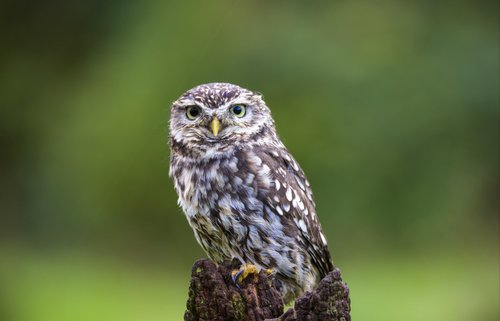
The silent wings of owls cutting through the night sky symbolize both mystery and resilience. Yet, behind their majestic flight lies a fragile existence threatened by habitat loss, climate change, and human encroachment. Conservation efforts to protect these nocturnal guardians demand not just passion but precision—especially when it comes to funding. Enter blockchain, a technology often associated with cryptocurrencies, now emerging as a transformative force in ensuring transparency, accountability, and efficiency in owl conservation financing. This isn’t just about tracking money; it’s about safeguarding biodiversity, empowering communities, and restoring ecosystems one owl at a time.
The Transparency Imperative: How Blockchain Unshackles Donor Trust
Traditional donation systems operate in shadows of opacity. Donors contribute funds, but the journey of each dollar remains obscured by layers of intermediaries, opaque reporting, and delayed audits. Blockchain dismantles this opacity by creating an immutable, decentralized ledger where every transaction is recorded in real time. Imagine a donor in Tokyo contributing to an owl sanctuary in Patagonia. With blockchain, they can trace their contribution from wallet to wildlife rehabilitation center, verifying that funds are allocated precisely as promised. This isn’t just transparency—it’s radical accountability. No more vague annual reports or delayed impact assessments. Every dollar’s footprint is etched in digital stone, accessible to anyone with an internet connection. This level of clarity doesn’t just build trust; it cultivates a culture of donor engagement where individuals feel their contributions matter beyond the act of giving.
Smart Contracts: The Automated Guardians of Conservation Funds
Beyond transparency, blockchain introduces smart contracts—self-executing agreements coded into the blockchain that release funds only when predefined conditions are met. Picture this: a conservation project aims to restore 100 acres of owl habitat. A smart contract could be programmed to release funds incrementally as milestones are achieved—50 acres restored, verified by satellite imagery; predator-proof nesting boxes installed, confirmed by drone footage. No human intervention is required. No bureaucratic delays. No mismanagement. The funds flow automatically, ensuring that resources are deployed efficiently and ethically. This automation reduces administrative overhead, minimizes corruption risks, and accelerates conservation outcomes. It’s not just about moving money; it’s about orchestrating a symphony of ecological restoration with precision.
Tokenization: Turning Conservation into a Global Movement
What if donating to owl conservation could be as seamless as trading a digital asset? Tokenization—the process of converting real-world assets into blockchain-based tokens—makes this possible. Conservation organizations can issue non-fungible tokens (NFTs) or utility tokens tied to specific projects. For instance, an NFT could represent a symbolic “share” in an owl habitat restoration effort, with proceeds directly funding the initiative. Donors receive not just a receipt but a digital asset that appreciates in value if the project succeeds. This transforms passive giving into active participation. Tokenized conservation doesn’t just attract crypto enthusiasts; it democratizes philanthropy, allowing anyone, regardless of wealth, to contribute meaningfully. The owl’s survival becomes a collective endeavor, where every token holder is a stakeholder in its future.
Decentralized Autonomous Organizations (DAOs): Owning the Future of Conservation
Imagine a world where local communities, scientists, and donors collectively decide how conservation funds are spent—not through top-down mandates but through decentralized governance. DAOs make this vision tangible. A DAO dedicated to owl conservation could be governed by token holders who vote on project priorities, funding allocations, and impact metrics. This shifts power from centralized institutions to the people who care most: those on the ground. In regions where owl populations are declining due to deforestation, a DAO could prioritize land acquisition, community-led reforestation, and anti-poaching patrols. The funds flow directly to these initiatives, bypassing the inefficiencies of traditional NGOs. It’s conservation by the people, for the people—a radical reimagining of how biodiversity is protected.
Real-Time Impact Tracking: From Dollars to Data
Blockchain doesn’t just track money; it tracks impact. By integrating IoT sensors, satellite imagery, and AI-driven analytics with blockchain, conservationists can monitor projects in real time. A drone equipped with thermal imaging could verify owl nest occupancy rates, while blockchain records confirm that the data is authentic and unaltered. Donors can log into a dashboard and see, in granular detail, how their contributions are translating into ecological benefits. Is the habitat restoration on schedule? Are owl populations increasing? The answers are no longer buried in spreadsheets but displayed in dynamic, verifiable dashboards. This level of granularity transforms philanthropy from a leap of faith into an evidence-based commitment. It’s not just about giving; it’s about seeing the tangible fruits of generosity.
Challenges and Ethical Considerations: Navigating the Blockchain Frontier
Of course, blockchain is not a panacea. Energy consumption remains a contentious issue, particularly for proof-of-work blockchains like Bitcoin. Conservation organizations must weigh the environmental cost of their chosen blockchain against the ecological benefits they seek to achieve. Additionally, the digital divide poses a barrier—many communities in biodiversity-rich regions lack internet access, making blockchain participation inequitable. There’s also the risk of over-reliance on technology, where human expertise in ecology and community engagement is sidelined. Ethical dilemmas arise when tokenized conservation projects prioritize speculative value over actual ecological outcomes. The challenge isn’t just adopting blockchain; it’s adopting it responsibly, ensuring that technology serves conservation—not the other way around.
The Human Element: Stories Behind the Code
Amidst the algorithms and cryptographic hashes, it’s easy to forget the human stories that drive conservation. Consider Maria, a biologist in the Amazon, who uses blockchain-funded drones to track harpy eagle nests—cousins to owls in the nocturnal ecosystem. Her work, supported by transparent donations, ensures that illegal logging operations are detected and halted before they destroy critical habitat. Or take the indigenous community in the Andes that uses blockchain to manage funds for protecting the endangered spectacled owl, blending traditional knowledge with modern technology. These aren’t just case studies; they’re testaments to how blockchain can empower those on the frontlines of conservation. The technology is a tool, but the heart of the movement remains human—driven by passion, resilience, and an unyielding commitment to the natural world.
Looking Ahead: A Blockchain-Powered Conservation Renaissance
The future of owl conservation isn’t just about protecting a species; it’s about redefining how humanity interacts with the planet. Blockchain offers a blueprint for a new era of philanthropy—one where transparency, efficiency, and collaboration replace opacity, waste, and fragmentation. As more organizations adopt this technology, we may witness a ripple effect: donors becoming activists, communities becoming stewards, and ecosystems thriving under the watchful eyes of both humans and algorithms. The owl’s flight may be silent, but its survival story is anything but. With blockchain as its ally, the path to conservation is no longer a mystery—it’s a journey we can all participate in, track, and celebrate.