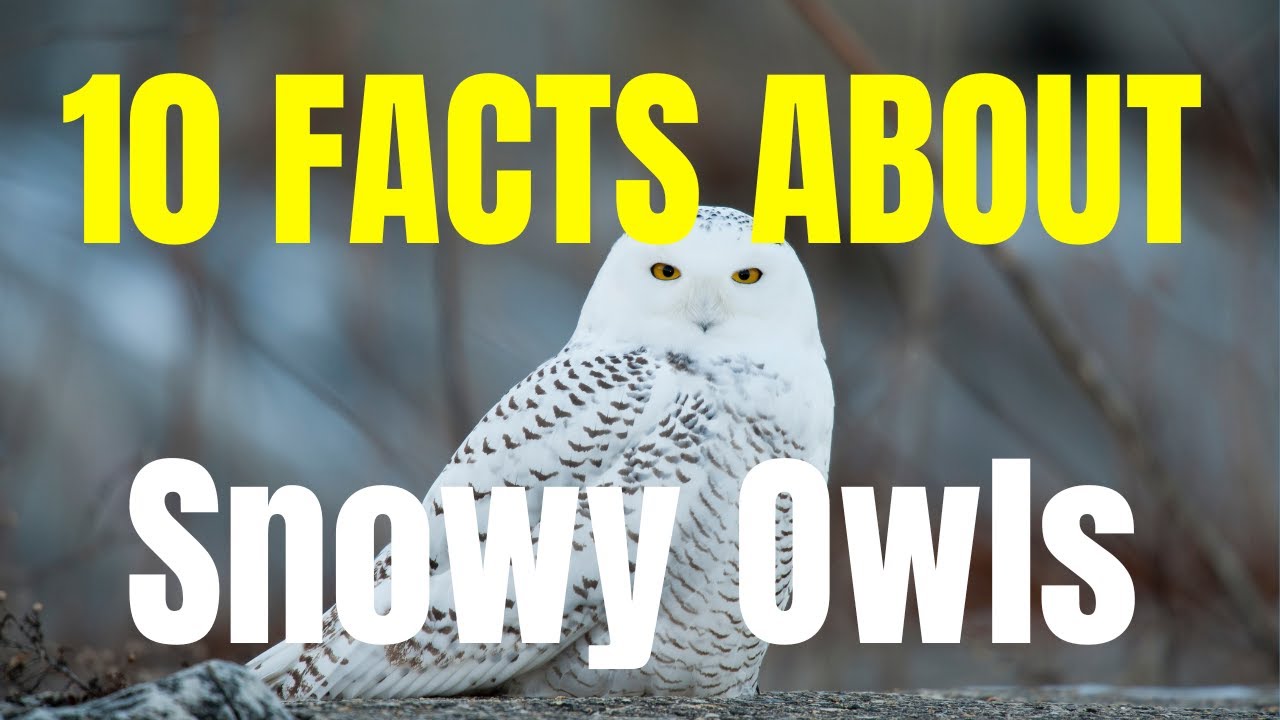
The snowy owl, that ghostly sentinel of the Arctic tundra, has long been a creature of mystery and wonder. With its piercing golden eyes and snowy plumage, it glides over the frozen expanse like a phantom of the winter wind. But as the world warms and the Arctic’s icy heart begins to falter, a new question lingers in the crisp air: will these magnificent birds become more frequent visitors to our southern skies? The phenomenon known as irruption—when snowy owls venture far beyond their usual haunts—may soon become a more common spectacle, a harbinger of change in an era of shifting climates.
The Arctic’s Fragile Balance: A Stage Set for Change
The Arctic is not merely a frozen wasteland; it is a finely tuned ecosystem, a delicate ballet of ice, snow, and life. For the snowy owl, this icy realm is both sanctuary and hunting ground. Its survival hinges on the abundance of lemmings, those small, unassuming rodents that burgeon in the Arctic summer. But as temperatures rise, the tundra’s rhythm falters. The permafrost softens, the snowpack thins, and the lemming populations—once predictably cyclical—become erratic. When food grows scarce in the north, the owls, ever the opportunists, take to the skies in search of sustenance. Their irruptions, those sudden southern invasions, may no longer be rare anomalies but a recurring testament to the Arctic’s unraveling.
The Irruption Enigma: When the North Sends Its Ghosts
Irruptions are not mere wanderings; they are desperate migrations, a survival strategy etched into the snowy owl’s DNA. Picture this: a snowy owl, wings outstretched like the sails of a ghost ship, gliding over the Great Lakes or the plains of the Midwest. To the uninitiated, it’s a spectacle of rare beauty. To the ecologist, it’s a warning. These irruptions are not random; they are a response to ecological stress. When lemming populations crash in the Arctic, the owls, driven by hunger, embark on journeys that can span thousands of miles. Their arrival in southern climes is not just a marvel of nature’s adaptability—it’s a signal that the Arctic’s balance is tipping.
The Climate Crucible: How Warming Reshapes a Predator’s Fate
The Arctic is warming at a rate nearly four times faster than the global average, a phenomenon known as Arctic amplification. This relentless thawing disrupts the snowy owl’s world in ways both subtle and profound. Thinner snowpacks make it harder for lemmings to burrow and hide, while earlier springs trick the owls into nesting before their prey is abundant. The result? A cascade of consequences that ripple through the food web. As the Arctic’s bounty dwindles, the owls’ irruptions may grow more frequent, their southern forays becoming less of a curiosity and more of a necessity. The snowy owl, once a symbol of endurance, may soon become a migrant of climate change, a living barometer of the planet’s fever.
The Southern Sojourn: A Temporary Haven or a New Normal?
When snowy owls descend upon the lower latitudes, they find a world both alien and accommodating. Fields, airports, and coastal dunes become their temporary hunting grounds. Here, they feast on rabbits, rodents, and even waterfowl, adapting with a resilience that belies their Arctic origins. But these southern sojourns are not without peril. The unfamiliar landscape is fraught with dangers—collisions with vehicles, exposure to unfamiliar predators, and the ever-present threat of starvation if their prey proves elusive. For the owls, these journeys are a gamble. For us, they are a poignant reminder of nature’s fragility. Will these southern visits become a seasonal ritual, a new chapter in the snowy owl’s story? Or will they remain fleeting anomalies in an otherwise stable existence?
The Human Factor: How We Shape the Owl’s Odyssey
Our actions cast long shadows across the Arctic and beyond. The burning of fossil fuels, the destruction of habitats, and the relentless march of climate change are not abstract concepts—they are the architects of the snowy owl’s future. As we reshape the planet, we also reshape the destinies of its creatures. The snowy owl’s irruptions are not just a natural phenomenon; they are a mirror held up to our own choices. Will we heed the warnings they bring? Will we act to preserve the Arctic’s icy heart before it melts away entirely? The answers lie not in the snowy owl’s wings, but in our own.
The Future Unfolds: A Tale of Resilience and Uncertainty
The snowy owl’s story is one of adaptation and survival, but it is also a story of uncertainty. As the Arctic warms, the owls may find themselves caught in a paradox: their irruptions could become more common, yet their long-term survival more precarious. The southern skies may offer temporary respite, but they cannot replace the Arctic’s unique bounty. The future of the snowy owl hinges on a delicate balance—one that we, as stewards of the planet, hold in our hands. Will we rise to the challenge, or will we watch as the ghost of the Arctic tundra fades into memory?
The snowy owl’s flight is a dance with destiny. Its wings carry the weight of a changing world, and its presence in our skies is a call to action. To witness its irruption is to glimpse the future—a future where nature’s most resilient creatures become the messengers of our own folly or foresight. The choice is ours.