
There’s something about owls that stirs the imagination—those silent wings slicing through twilight, eyes like polished obsidian, and a gaze that seems to hold the secrets of ancient forests. For children, these nocturnal sentinels are more than just birds; they are guardians of mystery, teachers of patience, and symbols of wisdom whispered through the ages. Documentaries about owls don’t just showcase nature’s wonders; they invite young minds to see the world through a lens of quiet awe and discovery. Whether perched on a mossy branch or swooping through moonlit skies, owls embody the magic of the wild in ways that captivate and inspire. Here, we’ve curated a list of the most enchanting owl documentaries that promise to shift perspectives, ignite curiosity, and leave children—and adults—with a deeper appreciation for these feathered enigmas.
 Amanda Graves
The Burrowing Owl: The Ground-Dwelling Oddball
The Burrowing Owl is not your average bird. While most of its feathered kin soar through the skies or perch upon lofty branches, this peculiar creature has chosen a far more unconventional lifestyle—one that unfolds entirely on the ground. With its long, spindly legs and a penchant for standing sentinel outside its subterranean abode, the Burrowing Owl is a living paradox: a bird that burrows, a hunter that dances, and a creature that defies the very conventions of avian existence. What compels this oddball to trade the boundless expanse of the sky for the confined quarters of a dirt tunnel? And more intriguingly, how does it navigate a world where the ground is both its home and its hunting ground?
How to Reduce Window Collisions for Urban Owls

In the labyrinthine sprawl of urban landscapes, where glass and steel rise like monoliths, a silent tragedy unfolds each dawn. Urban owls, those enigmatic sentinels of the night, find themselves ensnared in an invisible web—glass windows, once mere reflections of the sky, now act as death traps. The phenomenon is as heartbreaking as it is preventable. Every year, millions of birds perish from collisions with windows, and among them, owls, with their silent flight and keen senses, are particularly vulnerable. This is not merely an ecological concern; it is a poignant reminder of how human progress often tramples the delicate threads of coexistence. Yet, within this crisis lies an opportunity—not just to save lives, but to reimagine our cities as havens for wildlife.
The Carbon Footprint of Owls: How Their Role in Ecosystems Affects Climate

The silent swoop of an owl through the moonlit forest is a spectacle that has captivated humanity for millennia. These nocturnal sentinels, with their piercing gaze and feathered grace, are often seen as omens or symbols of wisdom. Yet beyond their cultural mystique lies a far more profound role—one that quietly shapes the very ecosystems we depend on. The carbon footprint of owls, though seemingly negligible at first glance, reveals a complex interplay of predation, energy transfer, and ecological balance that ripples through the carbon cycle. To understand this, we must peer beyond the surface of their nocturnal hunts and uncover the hidden mechanisms by which these birds influence climate dynamics.
The Best Places to See Snowy Owls in the Wild
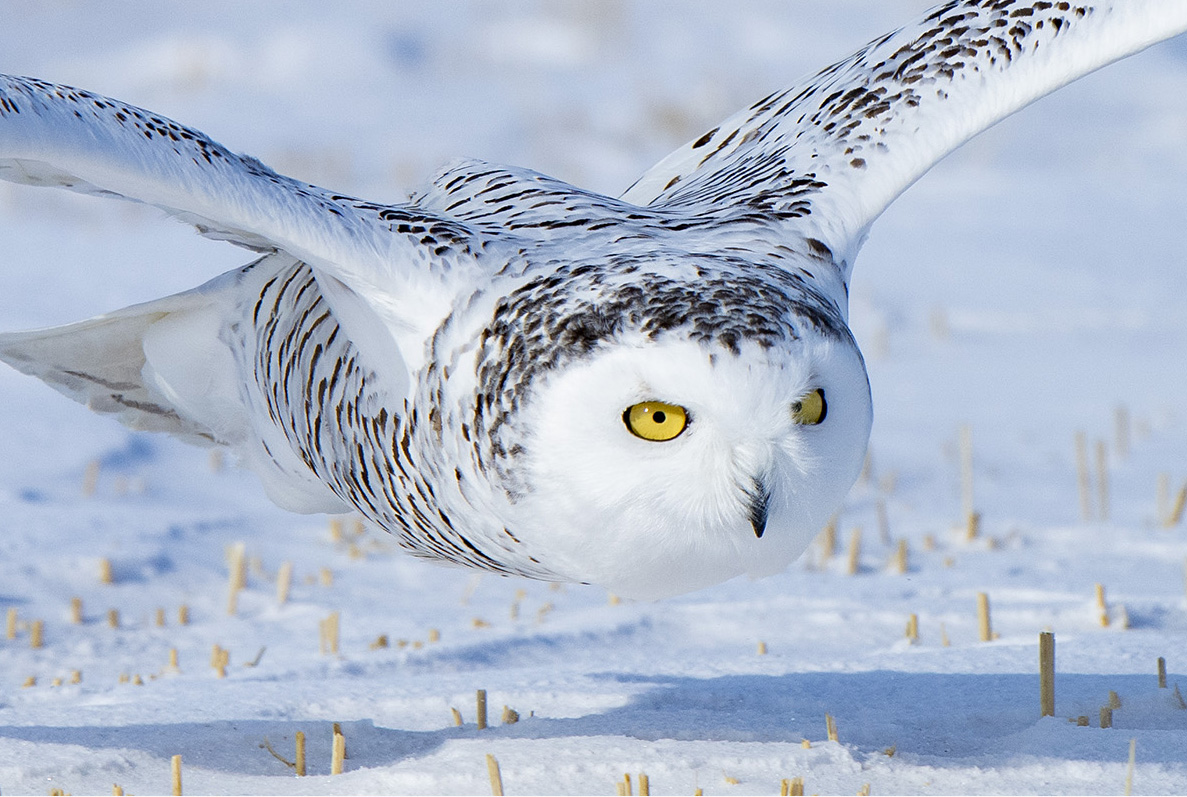
Few creatures command attention like the majestic Snowy Owl, with its ethereal white plumage and piercing yellow eyes that seem to glow with ancient wisdom. Sightings of this arctic wanderer have long sparked a blend of awe and curiosity, evoking a fascination that transcends casual birdwatching. These enigmatic birds captivate not just because of their visual splendor, but because they embody the wild’s untamed spirit and resilience against stark, relentless winters. For those ardent enough to chase glimpses of the Snowy Owl in its natural realm, certain locales offer a privileged passage into these raptors’ elusive world. Yet, beyond the surface thrill of spotting this luminous avian marvel lies a deeper narrative—one woven through migration patterns, habitat peculiarities, and the captivating interplay between environment and survival. This exploration delves into the best places to witness Snowy Owls thriving in the wild and unravels why these encounters feel almost otherworldly.
How Barred Owls Are Displacing Spotted Owls in the Pacific Northwest
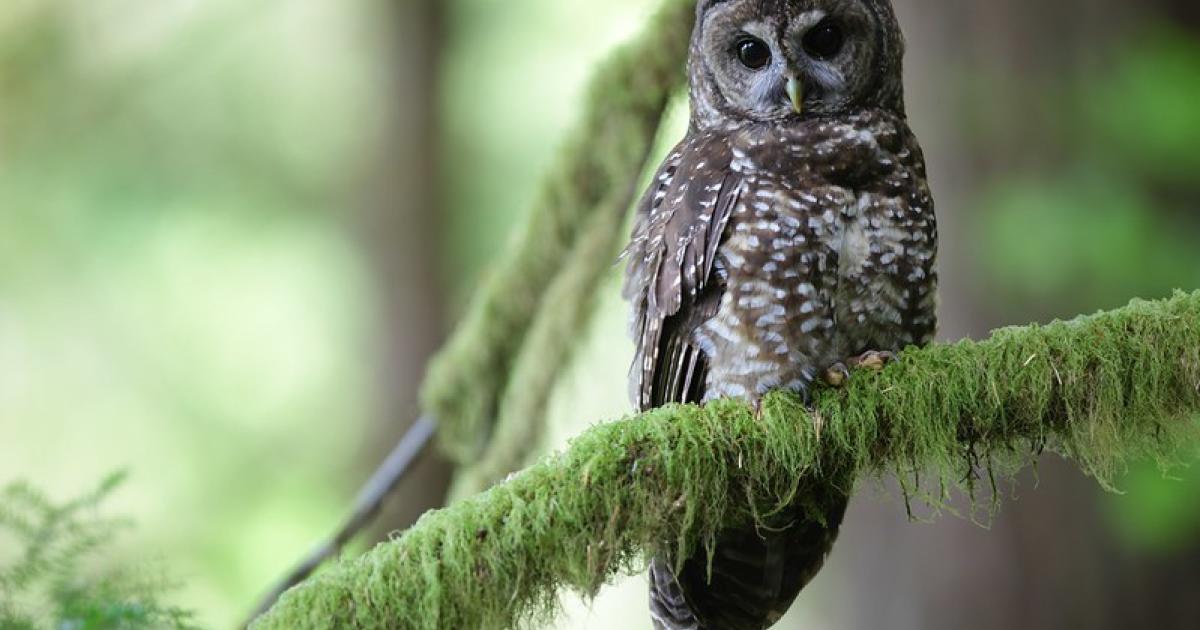
The verdant expanse of the Pacific Northwest is renowned not only for its towering evergreens and mist-shrouded landscapes but also for harboring some of North America’s most enigmatic avian species. Among these, the spotted owl stands as a symbol of old-growth forest ecosystems, embodying both ecological complexity and the tragic narratives of species under siege. Yet, in recent decades, an unrelenting force of displacement has permeated these ancient woodlands: the barred owl. This invasive cousin, with its aggressive expansion and adaptive prowess, is reshaping the delicate balance, forcing the iconic spotted owl into a perilous decline. Delving into this unfolding saga reveals a tale of interspecies rivalry, habitat encroachment, and the desperate human endeavors striving to conserve a fragile legacy.
How Climate Change Is Exacerbating Invasive Species Conflicts Worldwide

The relentless march of climate change is not merely melting glaciers or intensifying storms—it is also rewriting the rules of global biodiversity, tipping the scales in favor of invasive species that thrive in the chaos of ecological disruption. These biological invaders, once confined by natural barriers, now surge across continents, fueled by warming temperatures, erratic precipitation, and human-mediated pathways. The consequences are dire: ecosystems unravel, economies strain, and indigenous communities bear the brunt of this silent takeover. This is not just an environmental crisis; it is a feminist issue, one that disproportionately affects marginalized groups, particularly women, who often bear the responsibility for food security, healthcare, and resource management in vulnerable regions. As the planet heats up, so too does the battle against these ecological intruders, revealing a tangled web of gendered vulnerabilities and systemic inequities.
How Artificial Habitats Could Help Owl Populations Recover
What if the key to reviving owl populations wasn’t hidden in dense forests or remote wilderness, but in the very places where human ingenuity meets nature’s resilience? As urban sprawl gobbles up wild spaces and climate shifts disrupt ancient ecosystems, owls—those silent sentinels of the night—are facing an existential challenge. But what if we could engineer a lifeline for them? Artificial habitats, meticulously designed to mimic the perfect owl abode, might just be the secret weapon in their survival. Could these man-made sanctuaries breathe new life into dwindling owl populations? Let’s explore how human creativity could become nature’s greatest ally.
How 3D Printing Is Helping Owl Rehabilitation
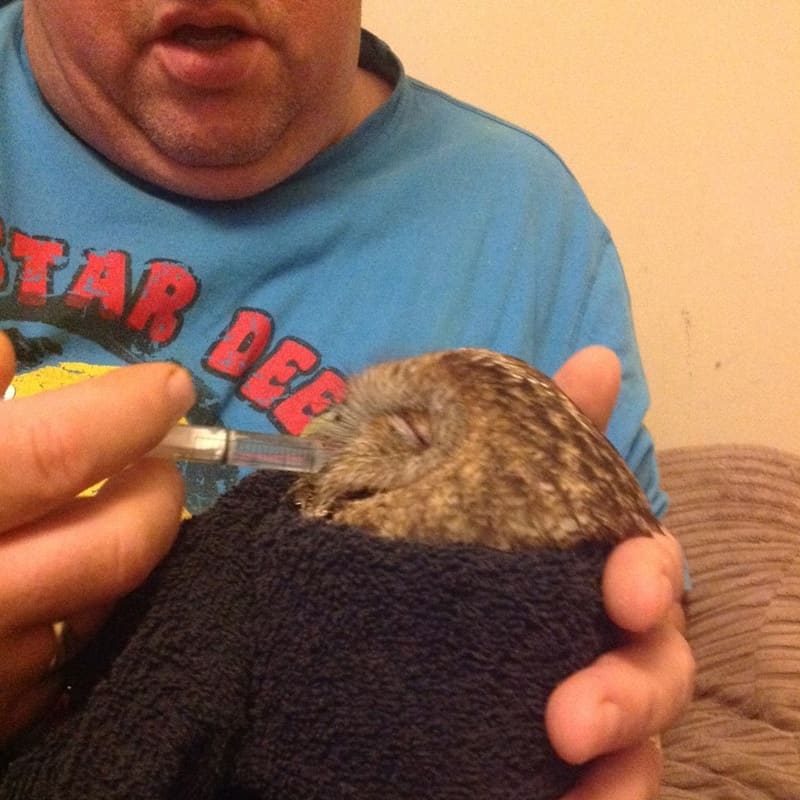
In the quiet hush of dawn, where the first light bleeds into the sky like watercolor on parchment, a silent revolution is taking flight—not with feathers, but with plastic and precision. The world of owl rehabilitation, once bound by the limitations of natural materials and human ingenuity, has found an unexpected ally in the hum of 3D printers. These machines, often associated with gadgets and prototypes, have become the unseen artisans of hope, crafting prosthetics, aviaries, and even surrogate nests for injured raptors. The marriage of biology and technology has birthed a new era, where the fragility of a broken wing meets the unyielding strength of additive manufacturing. This is not just innovation; it’s a symphony of science and compassion, where every layer printed is a step toward freedom for creatures that embody wisdom and mystery.
The Impact of Eastern Screech-Owls on Eastern Forest Ecosystems

The Eastern Screech-Owl (Megascops asio) is a diminutive yet formidable denizen of the eastern woodlands, a creature whose presence reverberates through the forest’s intricate web of life. Far from being a mere nocturnal ornament, this owl is a linchpin of ecological balance, shaping the dynamics of its habitat in ways both subtle and profound. From its role as a keystone predator to its influence on prey populations and even the structure of the forest itself, the Eastern Screech-Owl is a silent architect of biodiversity. For those who venture into the hushed understories of eastern forests, understanding this bird is not just an academic pursuit—it is a gateway to comprehending the delicate, often unseen forces that sustain these ecosystems.