The night descends upon medieval Europe like a velvet shroud, and with it emerges a creature of paradox—neither beast nor spirit, but a silent sentinel perched upon the gnarled branches of time. The owl, with its golden gaze and feathered cloak, has long been both revered and reviled, a living paradox woven into the fabric of folklore, superstition, and scholarly pursuit. Was it a harbinger of death, a whisperer of doom, or perhaps the keeper of arcane wisdom, its hoots echoing through the dark as the voice of forgotten gods? To understand the owl in medieval Europe is to peer into the duality of human perception—where fear and fascination intertwine like ivy around a crumbling tower.
Culture & History
The Owl in Literature: From Shakespeare to Harry Potter
Few creatures in literature possess the same mystique as the owl—a silent sentinel of wisdom, a harbinger of secrets, and a symbol that has fluttered through the pages of human storytelling for centuries. From the rapturous verses of Shakespeare to the enchanted halls of Hogwarts, the owl has evolved from a mere bird into a living metaphor, a literary chameleon that shifts its meaning with the tides of time. What is it about this nocturnal creature that has captivated the human imagination so fiercely? Why does it perch so prominently in our myths, our tragedies, and our fantasies? Prepare to embark on a journey through the ages, where the owl is not just a bird, but a mirror reflecting our deepest fears, our loftiest aspirations, and the untamed wildness of the human soul.
Owls in Heraldry: Symbols of Power and Protection
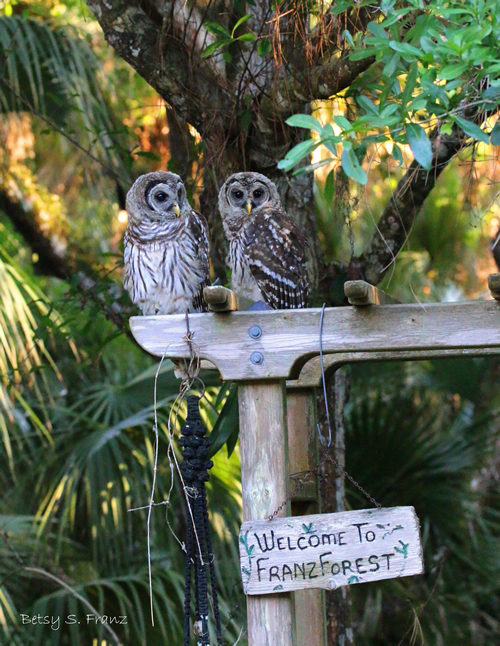
Few creatures in the annals of heraldry command the same gravitas as the owl—a bird whose silent wings and unblinking gaze have long been etched into the crests of kings, the banners of knights, and the seals of empires. More than mere embellishment, the owl in heraldry is a cipher of wisdom, a sentinel of vigilance, and a harbinger of the unseen. Its presence on shields and standards is not accidental; it is a deliberate invocation of power, protection, and the arcane knowledge that lies just beyond mortal perception. To understand the owl’s heraldic significance is to peer into the collective psyche of civilizations that revered it as both a guide and a guardian.
Owls in Folklore: Tales of Magic Curses and Transformation

Few creatures in the annals of folklore straddle the line between reverence and revulsion as effortlessly as the owl. With eyes that seem to pierce the veil of the mundane, and a silent, gliding presence that whispers of secrets untold, these nocturnal sentinels have long been woven into the fabric of human imagination. They are not merely birds—they are omens, oracles, and sometimes, harbingers of doom. Across continents and centuries, owls have been cast as both protectors and predators in the grand tapestry of myth, their stories serving as mirrors to our deepest fears, hopes, and the inexplicable transformations that lie just beyond the edge of reason.
The Owl in Islam: Interpretations and Symbolism
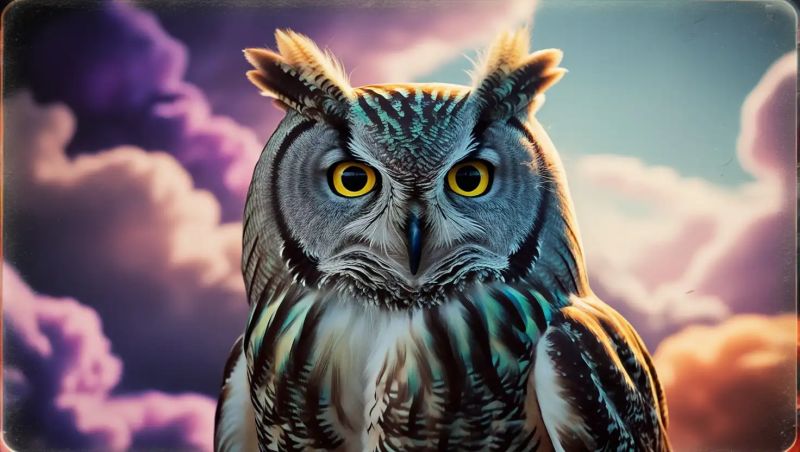
The owl, with its nocturnal gaze and silent flight, has long been a creature of mystery across civilizations. In Islam, this enigmatic bird transcends mere ornithological interest, embodying layers of spiritual symbolism, historical narratives, and theological interpretations. Far from being a mere symbol of wisdom in the Islamic tradition, the owl is a multifaceted emblem—sometimes revered, sometimes reviled—whose presence in scripture, folklore, and cultural lore invites deep reflection. To understand the owl in Islam is to unravel a tapestry woven with divine signs, cautionary tales, and profound metaphysical lessons. This exploration will traverse the sacred texts, prophetic traditions, and cultural perceptions that shape the owl’s role in Islamic thought, revealing how a bird often associated with darkness can illuminate the path to deeper spiritual understanding.
The Owl in Ancient Greek Culture: Athena’s Sacred Bird
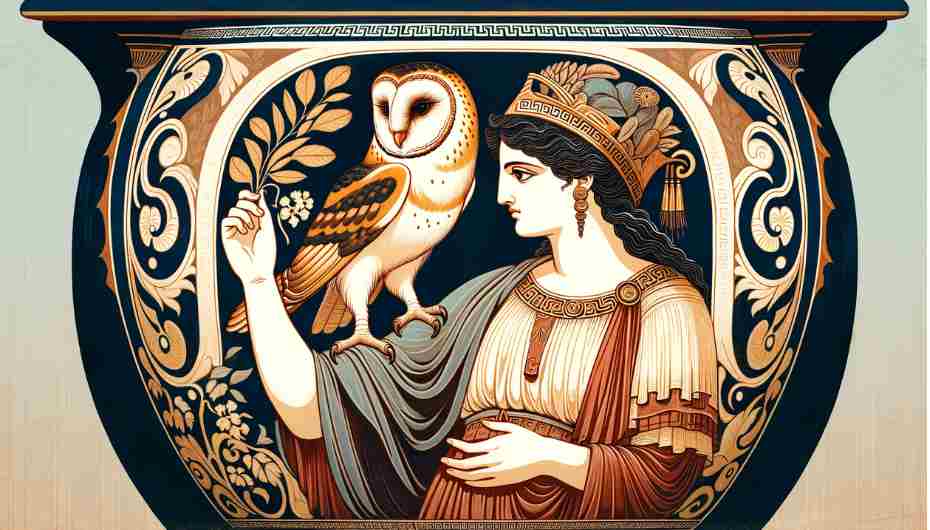
What if the key to Athena’s wisdom wasn’t hidden in dusty scrolls or whispered in Delphi’s shadows, but perched silently on a gnarled olive branch, watching with eyes that see beyond the veil of mortal understanding? The owl, that enigmatic creature of the twilight, was no mere bird to the ancient Greeks—it was a living emblem of divine insight, a feathered oracle that bridged the chasm between the mundane and the mystical. To unravel the threads of this sacred bond is to step into a world where wisdom is not merely sought but *embodied*, where the night itself becomes a canvas for revelation.
The Owl as a Spirit Animal: What It Represents in Different Cultures
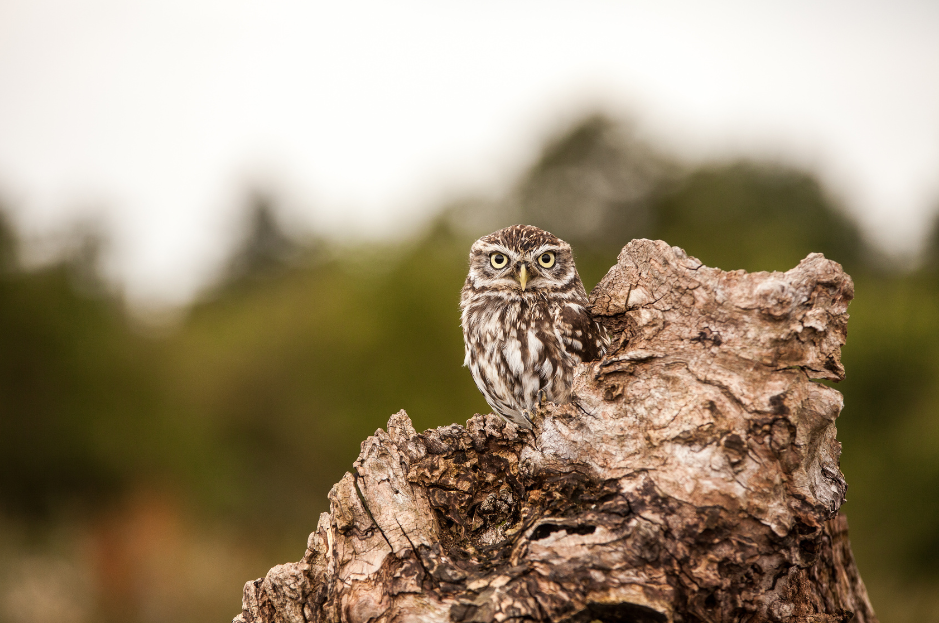
The owl, with its luminous eyes and silent wings, has long been a creature of fascination and mystery. More than just a nocturnal hunter, it is a symbol that has fluttered through the mythologies, folklore, and spiritual traditions of countless cultures. To encounter the owl as a spirit animal is to be beckoned into a world where wisdom is whispered in the dark and intuition speaks in riddles. It is not merely a guide—it is a mirror, reflecting the depths of the human psyche and the uncharted territories of the soul. In this exploration, we will traverse the ancient landscapes of belief and symbolism, uncovering how different cultures have revered, feared, and revered the owl anew, each time revealing a new facet of its enigmatic essence.
The Owl in Egyptian Mythology: Associated with the Afterlife
The owl, with its nocturnal gaze and silent wings, has long been a creature of mystery and reverence. In the shadowed corridors of ancient Egyptian mythology, it transcends mere symbolism to become a guardian of thresholds, a silent witness to the unseen. Far from being a mere bird, the owl emerges as a celestial sentinel, its presence woven into the fabric of the afterlife. This is not a tale of mere superstition—it is a profound exploration of duality, wisdom, and the eternal dance between life and death. Prepare to see the owl not as a creature of the night, but as a bridge between worlds, a keeper of secrets that could redefine your understanding of existence itself.
Owls in African Traditions: Messengers Between Worlds
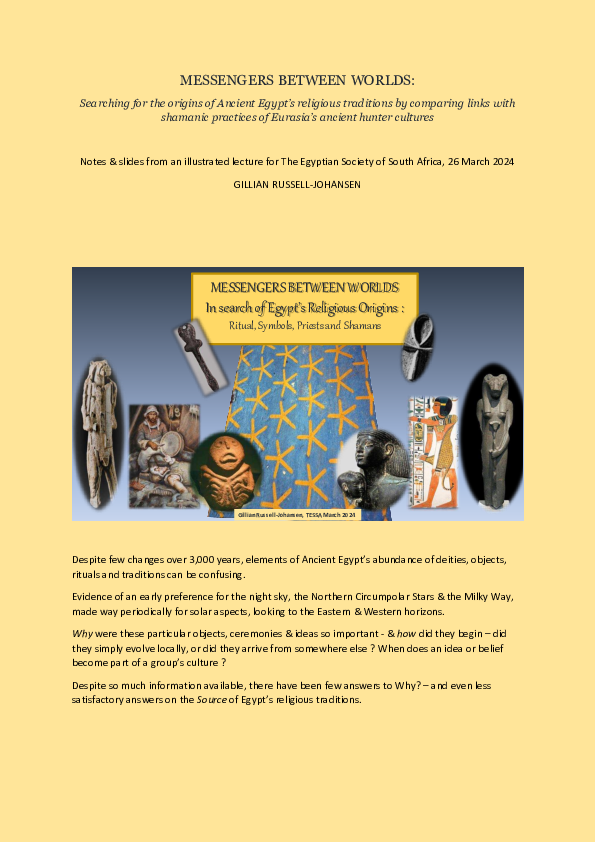
Have you ever paused beneath the whispering canopy of an African night, where the air hums with the secrets of the unseen, and felt the piercing gaze of an owl cutting through the darkness like a blade of moonlight? These enigmatic birds, with their golden eyes and silent wings, have long been woven into the very fabric of African traditions—not merely as creatures of the night, but as threshold guardians, cosmic couriers, and whisperers of fate. What if I told you that an owl’s hoot isn’t just a sound, but a language—one that bridges the mundane and the mystical? What if these birds, often dismissed as mere predators, are in fact the silent architects of a hidden dialogue between the living and the ancestors?
Owls in Indigenous Australian Culture: The Dreamtime Stories
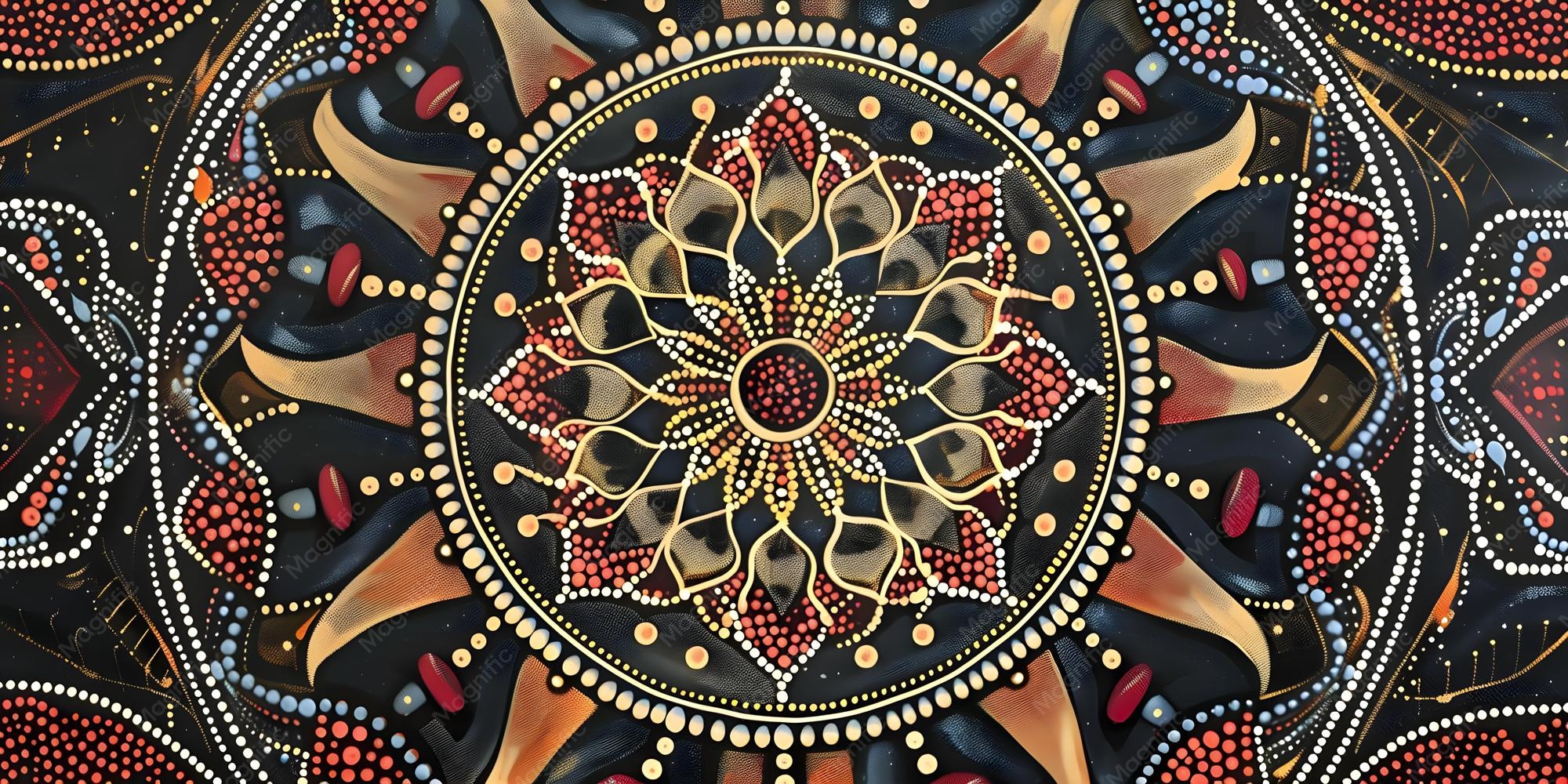
In the vast, whispering expanse of the Australian outback, where the earth breathes ancient secrets and the stars stitch the sky into a tapestry of celestial lore, the owl emerges not merely as a creature of the night, but as a spectral storyteller—a guardian of the Dreamtime. To the Indigenous peoples of Australia, the owl is far more than a silent hunter; it is a living metaphor, a feathered oracle whose presence weaves through the fabric of creation itself. Its haunting call is not just a sound, but a whisper from the ancestors, a reminder that the world is alive with unseen narratives, where every shadow holds a story and every twilight whispers of a time when the land was shaped by the hands of the Dreaming.