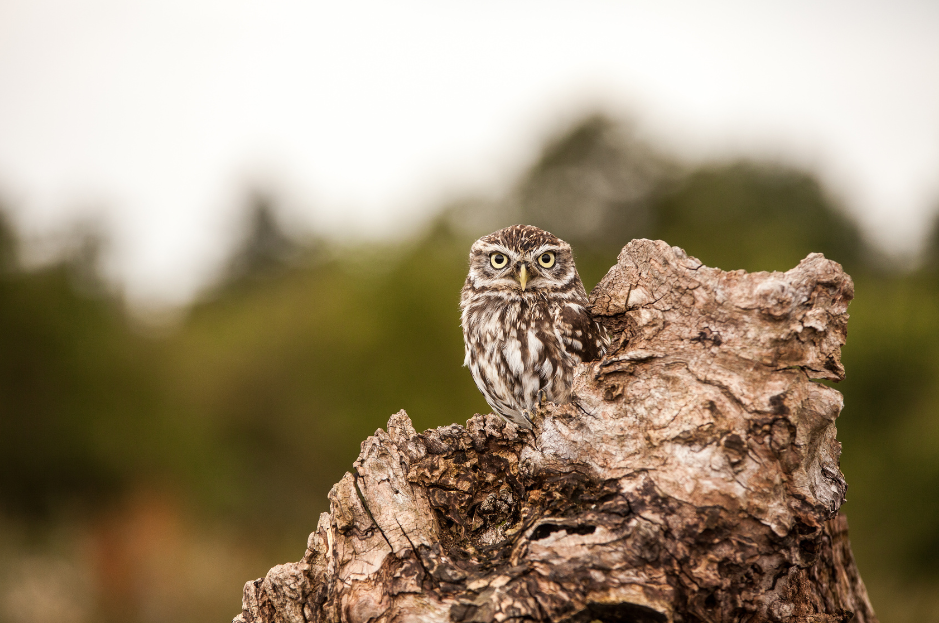
The owl, with its luminous eyes and silent wings, has long been a creature of fascination and mystery. More than just a nocturnal hunter, it is a symbol that has fluttered through the mythologies, folklore, and spiritual traditions of countless cultures. To encounter the owl as a spirit animal is to be beckoned into a world where wisdom is whispered in the dark and intuition speaks in riddles. It is not merely a guide—it is a mirror, reflecting the depths of the human psyche and the uncharted territories of the soul. In this exploration, we will traverse the ancient landscapes of belief and symbolism, uncovering how different cultures have revered, feared, and revered the owl anew, each time revealing a new facet of its enigmatic essence.
The Owl as a Harbinger of Wisdom: Ancient Greece and Athena’s Chosen Companion
In the sun-bleached temples of ancient Greece, the owl soared not as a specter of dread, but as a celestial envoy of Athena, goddess of wisdom and strategic warfare. Perched upon her outstretched arm, the little owl—known as the *glaux*—became synonymous with knowledge that is not merely accumulated, but *illuminated*. The Greeks saw in its unblinking gaze a metaphor for the relentless pursuit of truth, a reminder that wisdom is not passive but active, piercing through the fog of ignorance like a blade through silk. Coins minted in Athens bore the owl’s image, not as a mere emblem, but as a declaration: this city values intellect as much as strength. To dream of an owl in ancient Greek lore was to be summoned to higher thought, to be nudged toward decisions that required both foresight and courage. The owl, in this context, was not just a spirit animal—it was a philosopher in feathered form, urging mortals to see beyond the veil of the obvious.
The Owl as a Messenger of the Underworld: Mesoamerican and Native American Traditions
Beneath the emerald canopy of Mesoamerican jungles and the sweeping plains of Native American territories, the owl took on a far more ominous role. To the Aztecs, it was *Tlaloc’s* silent sentinel, a creature that glided between the living and the dead, its hoots echoing like the whispers of the departed. The owl was both a guide and a warning—a reminder that life and death are not distant cousins, but intertwined threads in the great tapestry of existence. Among the Pueblo peoples, the owl was seen as a psychopomp, a guide for souls transitioning to the afterlife. Yet, this role was not without peril. To hear an owl’s call at night was to be reminded of mortality, to be called to introspection. The owl, in these traditions, was not just a spirit animal—it was a threshold guardian, standing at the crossroads of the known and the unknown, urging respect for the cycles of life and the inevitability of change.
The Owl as a Keeper of Secrets: Celtic Lore and the Veil of Mystery
In the mist-laden forests of Celtic lore, the owl was a creature of the *sidhe*, the Otherworldly beings who dwelled just beyond the edge of human perception. To the Celts, it was a keeper of secrets, a silent observer of the unseen realms. The owl’s ability to see in the dark was not merely a physical trait—it was a spiritual metaphor for the ability to perceive truths hidden from ordinary sight. The druids, those ancient seers of the Celtic world, revered the owl as a symbol of the *awen*, the divine inspiration that flows from the Otherworld into the minds of poets, healers, and visionaries. To invoke the owl’s spirit was to invite clarity into chaos, to find meaning in the tangled threads of fate. The owl, in this context, was not just a spirit animal—it was a key, unlocking doors to realms where logic falters and intuition reigns supreme.
The Owl as a Symbol of Protection and Transition: Japanese and Chinese Folklore
Across the East, the owl was not feared but revered as a guardian of thresholds and a protector of the vulnerable. In Japanese folklore, the *fukurō*—a type of owl—was believed to ward off misfortune and evil spirits. Its presence was thought to bring good fortune, particularly to travelers and those embarking on new ventures. The owl’s association with transition was profound; it was seen as a creature that could navigate the liminal spaces between day and night, life and death, the known and the unknown. In Chinese tradition, the owl was linked to the *yin* energy, the receptive, intuitive force that balances the active *yang*. To embrace the owl as a spirit animal in these cultures was to acknowledge the power of stillness, of waiting, of trusting in the natural flow of life’s cycles. The owl, in this light, was not just a guide—it was a silent sentinel, standing guard over the thresholds of change.
The Owl as a Shadow Self: Modern Interpretations and Psychological Symbolism
In the modern era, the owl’s symbolism has evolved yet again, finding a home in the realm of psychology and personal growth. Carl Jung, the Swiss psychiatrist, saw the owl as a representation of the *shadow self*—the hidden, often repressed aspects of the psyche that hold both fear and potential. To encounter the owl in dreams or meditation is to be confronted with the parts of ourselves we prefer to ignore: our fears, our desires, our unspoken truths. Yet, the owl does not judge. It merely observes, offering a mirror in which we can see ourselves more clearly. In this context, the owl as a spirit animal is not just a guide—it is a catalyst for transformation, urging us to integrate the shadow into the light, to embrace the full spectrum of our humanity. The owl, in this modern interpretation, is a reminder that wisdom is not found in avoiding the dark, but in navigating it with courage and curiosity.
The Owl as a Totem of Intuition: Contemporary Spiritual Practices
Today, the owl continues to captivate the modern spiritual seeker, not as a relic of the past, but as a living, breathing totem of intuition and inner knowing. In contemporary practices, the owl is seen as a guide for those who are called to trust their instincts, to listen to the whispers of their soul rather than the clamor of external opinions. The owl’s ability to see in the dark is a metaphor for the power of intuition—the ability to perceive truths that lie beyond the reach of logic. To those who feel drawn to the owl as a spirit animal, it is an invitation to embrace the unknown, to trust in the unseen, and to find clarity in the midst of uncertainty. The owl, in this light, is not just a symbol—it is a companion, a teacher, and a reminder that the deepest wisdom often comes from the quietest places.
The Owl’s Enduring Appeal: A Timeless Symbol of Depth and Mystery
The owl’s journey through the annals of human history is a testament to its enduring appeal. It is a creature that transcends time and culture, adapting its symbolism to the needs and beliefs of each era. Whether as a harbinger of wisdom, a guardian of secrets, or a guide through the shadows, the owl remains a powerful spirit animal—a reminder that the deepest truths are often found not in the light, but in the quiet, uncharted depths of the unknown. To embrace the owl as a spirit animal is to embark on a journey of self-discovery, intuition, and transformation. It is to acknowledge that wisdom is not a destination, but a path—a path that winds through the dark, where the owl flies ahead, lighting the way.