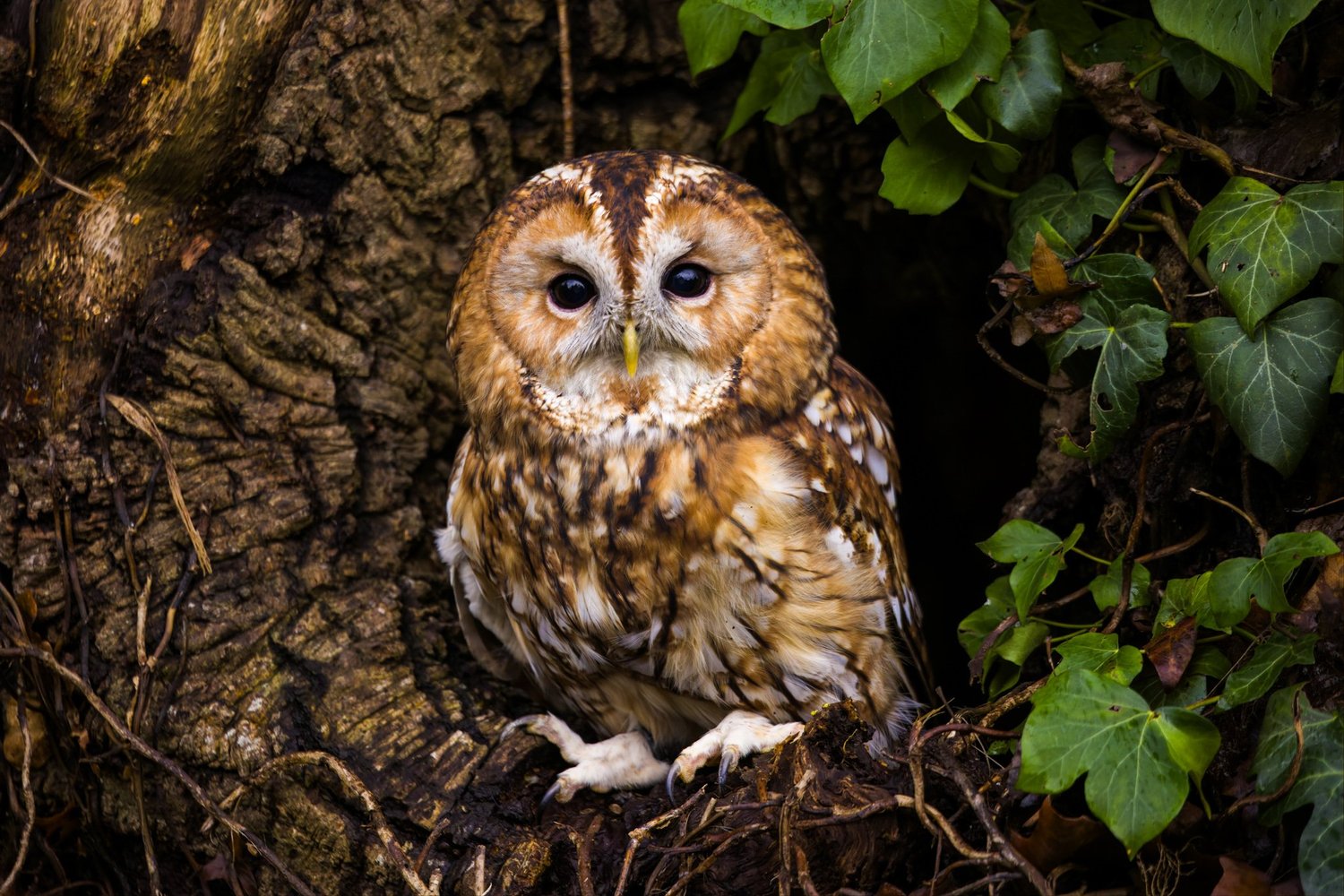
What if the silent sentinels of the night—those feathered philosophers with eyes like polished obsidian—could teach us more than just the art of stealth? What if the very landscapes we wander through, the ones we call “national parks,” held the key to their survival? And what if, in our quest to protect them, we accidentally turned their sanctuaries into stages for our own spectacle? The role of national parks in owl conservation is a dance as delicate as the creatures themselves, where the steps of preservation and tourism must move in perfect harmony—or risk a misstep that echoes through ecosystems for generations.
The Guardians of the Wild: How National Parks Become Owl Havens
National parks are not merely postcard-perfect backdrops; they are the last bastions of wilderness where the natural order still hums without the cacophony of urban sprawl. For owls—those enigmatic, nocturnal virtuosos of the avian world—these protected realms are more than just shelter. They are entire symphonies of habitat, where old-growth forests provide the perfect perches for barred owls to serenade the moon, and where the undisturbed quiet of alpine meadows allows snowy owls to hunt with the precision of a seasoned assassin.
Consider the red-cockaded woodpecker’s abandoned cavities, repurposed by burrowing owls as high-rise condominiums. Or the way the park’s fire management practices, designed to mimic natural cycles, inadvertently create the perfect underbrush for short-eared owls to glide through like ghosts. National parks don’t just conserve owls; they orchestrate entire ecological theaters where every species, from the tiniest mouse to the grandest owl, plays a role in the grand narrative of survival.
The Double-Edged Wand: Tourism as a Conservation Catalyst—or a Curse?
Here’s the conundrum: How do we invite the world to witness the majesty of these birds without trampling the very ground they walk on? Tourism, when wielded thoughtfully, can be a powerful ally in owl conservation. Visitors who leave parks with a newfound reverence for these creatures often become vocal advocates, pressuring policymakers to strengthen protections. Night-sky programs in parks like Great Basin have introduced countless people to the haunting calls of great horned owls, forging connections that transcend mere curiosity.
But tourism is a fickle ally. The same trails that bring eager photographers to capture an owl in flight can also erode the quiet seclusion they need to thrive. Flash photography, even with the best intentions, can disrupt nesting cycles. And let’s not forget the irony: the more popular an owl species becomes—think the viral barn owl sightings in Europe—the more its habitat becomes a magnet for human traffic, turning conservation into a popularity contest where the owl is the unwilling star.
Silent Victims: The Unseen Costs of Ecotourism
Owls are the canaries in the coal mine of ecotourism. Their sensitivity to disturbance makes them bellwethers for the health of an ecosystem. Yet, in our rush to “see and save,” we often overlook the subtle signs of stress: a barred owl abandoning its nest after repeated nighttime disturbances, a long-eared owl relocating its roost due to the constant hum of drone cameras. The challenge isn’t just about limiting visitor numbers—it’s about reimagining how we engage with these spaces.
What if, instead of chasing owls with cameras, we learned to listen to them? What if national parks became laboratories for “owl literacy,” where visitors could participate in citizen science projects, tracking owl calls via AI-powered apps or helping restore degraded habitats? The shift from passive observation to active participation could transform tourism from a threat into a lifeline.
The Politics of Protection: When Conservation Meets Policy
National parks don’t exist in a vacuum. Their owl conservation efforts are often at the mercy of broader political tides—budget cuts that defund research, land-use policies that prioritize logging over old-growth forests, or climate change policies that ignore the microclimates owls depend on. The Endangered Species Act, while a powerful tool, is only as strong as the will to enforce it. And in an era where “land back” movements are gaining traction, the question looms: Who gets to decide the fate of these lands—and the owls that call them home?
Consider the case of the northern spotted owl, a species so intertwined with old-growth forests that its survival is a litmus test for forestry practices. When logging interests clash with conservation, owls become pawns in a larger game. The lesson? Owl conservation isn’t just about biology; it’s about power, privilege, and the very definition of wilderness in the 21st century.
Innovation in the Dark: Tech and Tradition in Owl Conservation
Enter the age of conservation tech. From thermal imaging cameras that track owl movements without disturbing them to AI algorithms that analyze years of audio recordings to predict nesting sites, innovation is giving owls a fighting chance. But technology alone won’t save them. Traditional ecological knowledge—Indigenous practices of fire management, for instance—has long understood the rhythms of the land in ways modern science is only beginning to grasp.
The fusion of old and new could be the key. Imagine parks where Indigenous rangers lead night walks, sharing stories of owl symbolism in their cultures while deploying cutting-edge bioacoustics to monitor populations. Or where visitors plant native shrubs to restore owl habitats, turning a day trip into a tangible act of conservation. The future of owl protection lies not in choosing between tradition and innovation, but in weaving them together.
The Human Element: Why Owls Matter to Us
Owls are more than just ecological linchpins; they are cultural touchstones. They embody wisdom in Greek mythology, death in Norse lore, and mystery in countless folktales. Their decline isn’t just a biological loss—it’s a spiritual one. When we lose owls, we lose a piece of our collective imagination, a thread that connects us to the wildness within and around us.
Perhaps the greatest role of national parks in owl conservation is this: to remind us that we are not separate from nature, but a part of it. That the owl’s silent flight is a mirror to our own noisy existence. And that the challenge isn’t just about saving them—it’s about saving the parts of ourselves that still believe in magic.