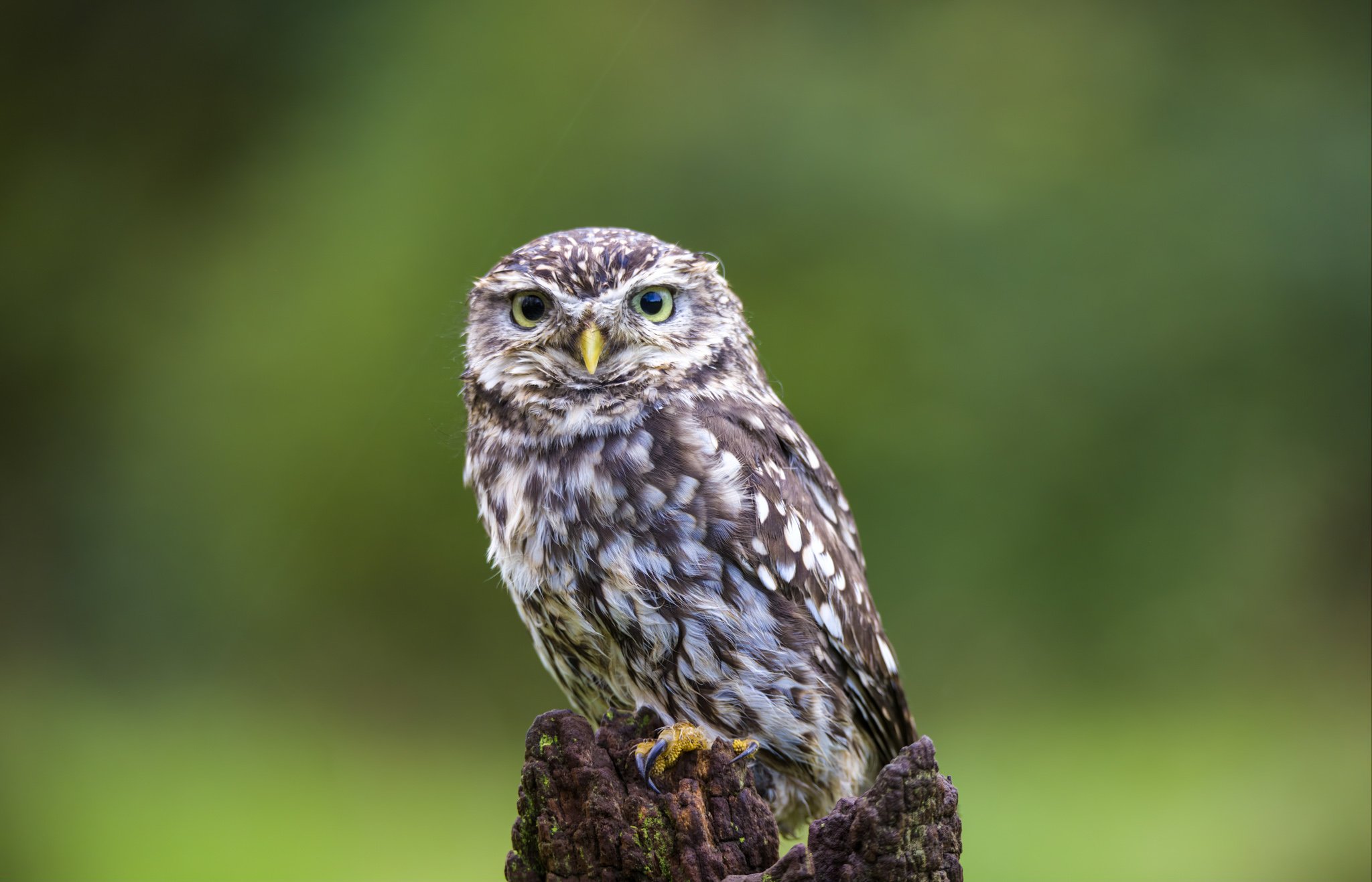
There is something profoundly unsettling—and yet, deeply alluring—about the silent, watchful gaze of an owl. These nocturnal sentinels, with their feathered crowns and golden eyes, have long been cast as omens, symbols of wisdom, or harbingers of doom across cultures. Yet beyond the folklore and fascination lies a pressing ethical quandary: when, if ever, should humans intervene in the lives of these enigmatic birds? The question is not merely academic. It strikes at the heart of our relationship with nature—how much do we truly understand the creatures we admire, and how far should our compassion extend when their survival hangs in the balance?
The Silent Decline: Why Owls Are Fading From the Night Sky
Across continents, owl populations are whispering a warning. Habitat loss, the relentless march of deforestation, and the creeping toxicity of pesticides have eroded the ecosystems these birds depend on. Barn owls, once common denizens of farmlands, now face dwindling nesting sites as hedgerows vanish and old barns collapse. In tropical forests, the haunting calls of the spotted wood owl grow fainter with each passing year, their territories carved up by logging and agriculture. Even the mighty eagle owl, apex predator of European landscapes, is not immune—climate change is shifting prey availability, leaving some populations malnourished and vulnerable.
The decline is not uniform, nor is it always dramatic. It is a slow unraveling, a fading of presence rather than a sudden disappearance. Yet this insidious erosion is no less devastating. It reflects a deeper ecological imbalance—one where human dominance has reshaped the world in ways that leave little room for the creatures that once thrived alongside us. The owl, with its nocturnal habits and cryptic plumage, becomes a canary in the coal mine, its struggles a barometer of the health of entire ecosystems.
To Intervene or Not: The Moral Weight of the Question
The dilemma of owl conservation is not one of indifference but of discernment. When a fledgling tumbles from a nest too early, or a great horned owl is ensnared in barbed wire, the impulse to act is immediate. Yet intervention is not a neutral act—it carries consequences that ripple through time. A rescued owl may survive, but will it retain the skills to hunt? Will it imprint on humans, losing its wildness? And what of the siblings left behind, their survival now compromised by the absence of a parent?
Ethical conservation demands more than good intentions. It requires a nuanced understanding of ecological roles. Owls are not merely charismatic creatures; they are keystone species, their presence regulating rodent populations and influencing the behavior of other animals. Removing an owl from the wild, even with the best intentions, can disrupt this delicate balance. The question, then, is not just whether we can save an individual owl, but whether doing so serves the greater ecological good—or merely satisfies our own moral comfort.
The Paradox of the Captive Owl: Education vs. Exploitation
Zoos, wildlife rehabilitation centers, and educational programs often hold owls in captivity, their piercing eyes serving as ambassadors for their wild kin. There is undeniable value in this work—raising public awareness, funding conservation efforts, and inspiring future stewards of the natural world. Yet captivity is a double-edged sword. For an owl, life in a cage is a life diminished. The vast skies, the thrill of the hunt, the intricate social structures of the wild—none of these can be replicated in a controlled environment.
The ethical tension lies in the purpose behind captivity. If the owl’s presence in a zoo or educational program leads to tangible conservation outcomes—habitat protection, policy changes, or reduced persecution—then the compromise may be justified. But if the owl becomes merely a spectacle, a living prop in a human-centered narrative, then the cost to the individual is too high. The line between education and exploitation is thin, and it is crossed when the owl’s well-being is secondary to human curiosity.
When the Wild Becomes a Trap: The Ethics of Rehabilitation
Rehabilitation centers are sanctuaries for injured or orphaned owls, places where veterinary care and human intervention can mean the difference between life and death. Yet rehabilitation is not always a success. Some owls, despite the best efforts of caregivers, cannot be released. Their injuries may be too severe, or their instincts too dulled by captivity. For these birds, a life in a controlled environment may be the only option—but it is a life of confinement, no matter how well-intentioned the caregivers.
The ethical challenge extends beyond the individual owl. Rehabilitation programs must grapple with the question of whether their existence inadvertently encourages human encroachment on wild spaces. If people believe that any harm done to an owl can be undone by a quick call to a rescue center, will they be less vigilant in protecting habitats? Conservation is not just about saving individual animals; it is about preserving the conditions that allow them to thrive without our help. Rehabilitation, then, must be part of a broader strategy—one that includes habitat restoration, legal protections, and public education—not a substitute for it.
The Owl as Symbol: How Our Fascination Shapes Conservation
Owls occupy a unique space in the human imagination. They are at once revered and reviled, symbols of wisdom and omens of death. This duality has shaped how we perceive their conservation. In some cultures, harming an owl is taboo, a transgression that invites supernatural punishment. In others, owls are seen as pests, their calls ominous, their predation on poultry a justification for eradication. These cultural narratives influence conservation efforts, sometimes for better, sometimes for worse.
Our fascination with owls also drives funding and research. Charismatic species attract attention, and owls, with their striking appearance and mysterious habits, are no exception. But this attention can be a double-edged sword. It can lead to targeted conservation efforts, but it can also result in misplaced priorities. A species that captures the public’s imagination may receive more resources than one that is ecologically vital but less photogenic. The challenge for conservationists is to harness this fascination without letting it dictate the agenda. The goal must always be the health of the ecosystem, not the popularity of the species.
Beyond Intervention: The Case for Letting Nature Be
There is a radical, and often overlooked, ethical position in owl conservation: the idea that sometimes, the most ethical choice is to do nothing. Nature is not a museum exhibit, a curated display of perfect harmony. It is a dynamic, often brutal, system where death and survival are part of the same cycle. When an owl dies of starvation in the wild, it is not a failure of conservation—it is a natural process. When a fledgling falls from a nest, it may be a harsh lesson, but it is also a necessary one.
This is not to say that all human intervention is wrong. There are cases where intervention is not just justified but necessary—when an owl is trapped in a man-made hazard, when a species is on the brink of extinction, or when habitat loss is so severe that without help, the owl has no future. But the default position should always be restraint. The wild is not ours to manage. It is a world we share, and our role should be that of humble observers, not benevolent rulers.
The ethics of owl conservation, then, are not just about saving individual birds. They are about redefining our relationship with the natural world. They ask us to confront our own limitations, to accept that we cannot—and should not—control every aspect of nature. The owl, with its silent flight and piercing gaze, reminds us that there are mysteries we will never fully understand. And perhaps that is the greatest lesson of all.