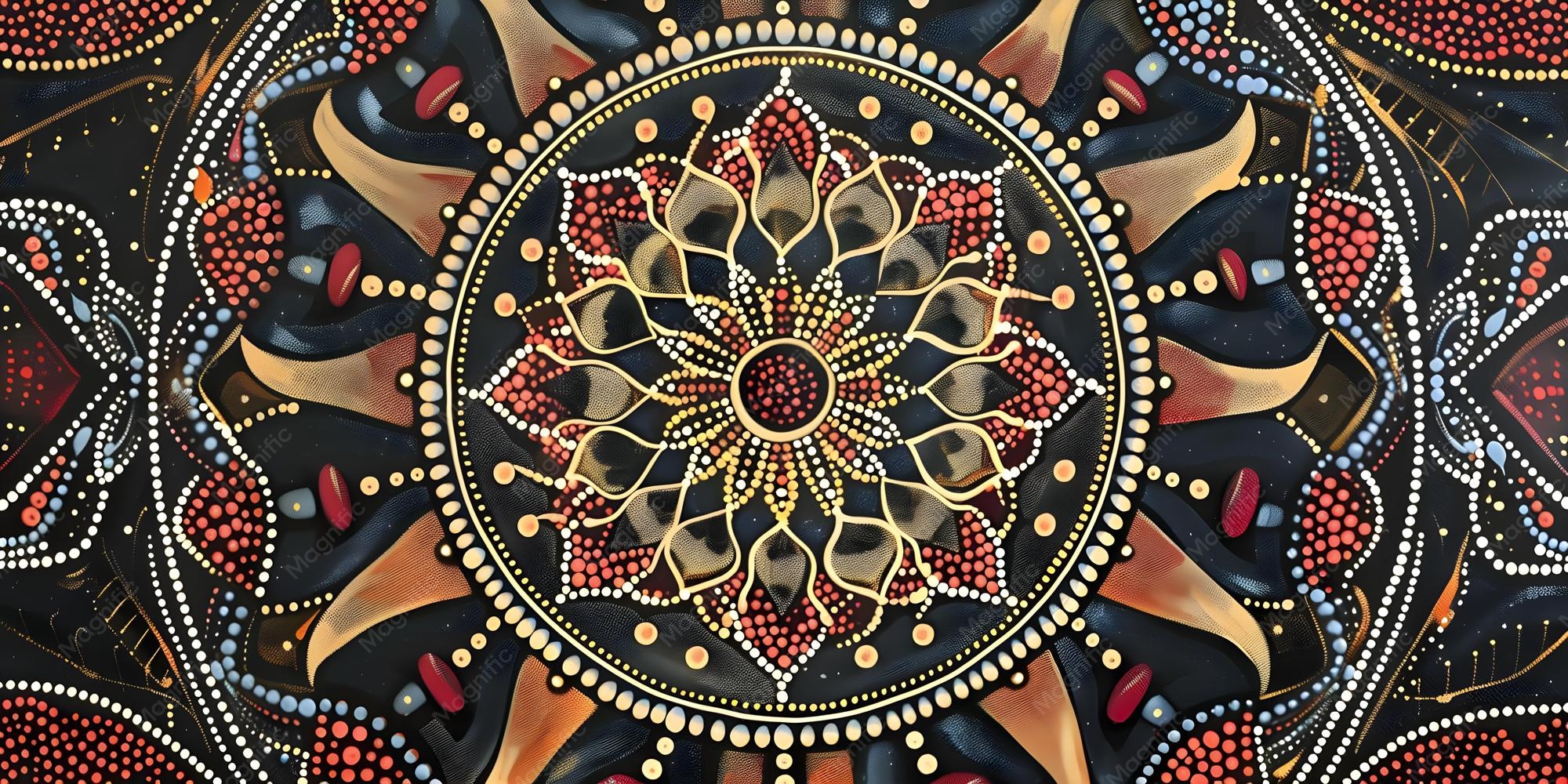
In the vast, whispering expanse of the Australian outback, where the earth breathes ancient secrets and the stars stitch the sky into a tapestry of celestial lore, the owl emerges not merely as a creature of the night, but as a spectral storyteller—a guardian of the Dreamtime. To the Indigenous peoples of Australia, the owl is far more than a silent hunter; it is a living metaphor, a feathered oracle whose presence weaves through the fabric of creation itself. Its haunting call is not just a sound, but a whisper from the ancestors, a reminder that the world is alive with unseen narratives, where every shadow holds a story and every twilight whispers of a time when the land was shaped by the hands of the Dreaming.
The Owl as a Celestial Cartographer: Mapping the Dreamtime Skies
The owl, with its piercing gaze and silent flight, is often seen as the celestial cartographer of the Dreamtime. In many Aboriginal traditions, the owl is believed to traverse the night sky, tracing the constellations that map the journeys of ancestral beings. Its flight is not random; it is deliberate, a silent choreography that aligns with the movements of the stars. The owl’s ability to navigate the darkness with such precision mirrors the Aboriginal understanding of the land as a living, breathing entity—one that is both physical and metaphysical. To gaze upon an owl in flight is to witness the intersection of the earthly and the ethereal, where the boundaries between the seen and the unseen blur into a single, shimmering reality.
In some Dreamtime stories, the owl is the keeper of the night’s secrets, a silent sentinel who watches over the sleeping world. Its presence is a reminder that the Dreamtime never truly ends; it merely retreats into the shadows, waiting for the right moment to reveal itself again. The owl’s role as a celestial guide is not just symbolic—it is a living testament to the Aboriginal belief that the land, the sky, and all living things are interconnected, bound together by an invisible thread of shared existence.
The Owl as a Messenger of the Ancestors: Whispers from the Dreaming
To hear the hoot of an owl in the stillness of the night is to receive a message from the ancestors. In many Indigenous cultures, the owl is seen as a bridge between the living and the dead, a messenger who carries the voices of those who have passed into the Dreamtime. Its call is not just a sound—it is a language, a code that only the initiated can decipher. The owl’s nocturnal habits make it a natural fit for this role; it moves unseen, heard but not seen, a whisper in the dark that carries the weight of tradition and the echoes of the past.
The owl’s association with the ancestors is deeply rooted in the concept of the Dreaming, a term that encompasses not just the creation of the world, but the ongoing relationship between people, land, and spirit. In some traditions, the owl is believed to be the reincarnation of an ancestor, a being who has returned to guide the living through the labyrinth of existence. Its presence is a comfort, a reminder that the ancestors are never truly gone—they are merely waiting in the shadows, watching, listening, and ready to offer wisdom when the time is right.
The Owl as a Trickster and Teacher: Lessons in the Shadows
Not all owl stories are solemn or reverent. In some Dreamtime tales, the owl is a trickster, a mischievous figure who delights in playing pranks on the unsuspecting. Yet even in its trickery, the owl serves a purpose—it teaches lessons, often through humor and cunning. The owl’s ability to see in the dark is a metaphor for the importance of looking beyond the surface, of seeing the world not just as it appears, but as it truly is. Its trickster nature reminds us that wisdom is not always found in the light; sometimes, it lurks in the shadows, waiting to be uncovered.
The owl’s dual role as both teacher and trickster highlights the complexity of Indigenous storytelling. It is a reminder that life is not always straightforward, that the path to understanding is often winding and unpredictable. The owl’s lessons are not delivered in grand speeches or grand gestures; they are whispered in the dark, in the quiet moments between the hoots, in the spaces where the mind is free to wander and the heart is open to receive.
The Owl in Ritual and Ceremony: A Sacred Presence
The owl’s significance extends beyond storytelling—it is a sacred presence in many Indigenous rituals and ceremonies. Its feathers, bones, and even its image are often used in sacred objects, imbued with the power of the Dreaming. In some traditions, the owl is invoked during healing ceremonies, its spirit called upon to guide the healer’s hands and cleanse the patient of illness. Its presence is believed to purify the space, to drive away negative energies, and to create a bridge between the physical and spiritual realms.
The owl’s role in ceremony is not just symbolic—it is deeply practical. Its ability to see in the dark is seen as a metaphor for the healer’s ability to see beyond the physical symptoms of illness, to diagnose the root cause of disease. The owl’s silence is also significant; in a ceremony, silence is often a sign of respect, of reverence for the ancestors and the spirits. The owl’s presence in these rituals is a reminder that healing is not just about the body—it is about the soul, the spirit, and the connection to the land.
The Owl as a Symbol of Transition: Between Light and Dark
The owl’s nocturnal nature makes it a powerful symbol of transition, a creature that exists in the liminal space between light and dark. In many Indigenous cultures, the owl is seen as a guardian of thresholds, a being that watches over the boundaries between the seen and the unseen, the known and the unknown. Its presence is a reminder that life is full of transitions—birth, death, healing, transformation—and that these transitions are not to be feared, but embraced.
The owl’s ability to navigate the darkness with such grace is a metaphor for the human experience. We, too, must learn to navigate the unknown, to find our way through the shadows of life. The owl teaches us that the dark is not something to be avoided, but something to be explored, to be understood. It is in the shadows that we find our deepest truths, our most profound insights, and our connection to the Dreaming.
The Owl in Contemporary Indigenous Art: A Living Tradition
Today, the owl continues to inspire Indigenous artists, its image appearing in paintings, carvings, and other forms of art. These artworks are not just representations of the owl—they are living connections to the Dreaming, to the ancestors, and to the land. The owl’s presence in contemporary art is a reminder that the Dreamtime is not a relic of the past, but a living, breathing tradition that continues to shape the lives of Indigenous peoples.
The owl’s image in art is often stylized, its features exaggerated to emphasize its symbolic power. Its eyes, large and piercing, seem to follow the viewer, a reminder that the Dreaming is always watching, always listening. The owl’s feathers, too, are often depicted in intricate patterns, each line and curve carrying the weight of tradition and the echoes of the past. These artworks are not just beautiful—they are sacred, imbued with the spirit of the owl and the wisdom of the Dreaming.
The owl in Indigenous Australian culture is more than a bird—it is a living metaphor, a celestial guide, a messenger of the ancestors, and a symbol of transition. Its presence weaves through the fabric of the Dreamtime, a reminder that the world is alive with unseen narratives, where every shadow holds a story and every twilight whispers of a time when the land was shaped by the hands of the Dreaming. To understand the owl is to understand the heart of Indigenous Australian culture—a culture that sees the world not just as it is, but as it could be, a world where the seen and the unseen are bound together in a single, shimmering reality.